Choose a laptop based on the design software, screen and connections available at the shared workspace. Extra processing power won’t solve an incomplete file transfer. If you often design on the go, portability may matter more, while a larger built-in screen gives you more room to work independently on the layout. Before buying, check the exact model, the adapter you need and how you’ll share complete project files.
Who is this laptop guide for?
A designer who moves between workspaces
You start work on a laptop and continue later on a shared computer. Check that the connections, software and way you share project files work together. Adobe explains how to package InDesign files with linked images, while Microsoft outlines how separate Windows accounts can have their own settings and documents.
A creator making a printed poster
You do most of the layout yourself and want to prepare the file carefully for printing. So, consider the screen and design software you use, but also check the output requirements with your printer. Adobe provides guidance on preparing layouts for professional printing.
A volunteer who takes their laptop with them
You work in different locations and need to weigh portability against the workspace available on the built-in screen. ID.nl highlights weight and battery life as factors to consider when choosing a laptop for frequent use on the go.
What should you look for when choosing?
Start with the design software and how the shared workspace handles screens and files. Then compare the connections, screen space and accessories included with the exact laptop model.
| What to consider |
What should you check? |
Who is this most relevant to? |
| File transfer and connections |
Check which software, display connection and file-sharing method the shared workspace uses, then compare these with the ports on the exact laptop model. Adobe explains how to package InDesign project files with linked images. |
If I work across two computers, I want my software, display connection and project files to work well together. Around 36% of consumers prioritise a smooth transfer. |
| Screen and print file |
Compare the actual panel and the workspace available on screen. Ask your printer about the required file, colour and image settings; the screen alone can’t confirm that a print file meets those requirements. |
When I do most of the poster layout myself, I want to assess it properly and know what output my printer needs. Around 29% of consumers give screen quality and print preparation top priority. |
| Portability |
Compare the weight and screen size with how often you’ll take the laptop with you. Also check which connections and charger come with the model you’ve chosen. |
If I design in different locations, I want a laptop that’s easy to carry without giving up too much screen space. Around 21% of consumers put portability first. |
| Total purchase cost |
Compare models with exactly matching specifications and check whether essential accessories and software are included. For InDesign 21.3 and later, Adobe lists 8 GB RAM as the minimum and 16 GB as the recommended amount. |
When I want to set up an affordable end-to-end poster workflow, I want to know in advance which model and essentials I really need. Around 14% of consumers prioritise the total purchase cost. |
Common pitfalls
-
Assuming a great-looking laptop screen proves the print file is ready
What you see on screen and your printer’s output requirements are two separate things to check. A screen specification doesn’t tell you whether the file meets the required print settings.
Ask your printer in advance which file and settings are needed, then check the output separately from the screen.
-
Transferring only the design file
A layout file may refer to images and other files saved separately. Without these linked assets, the project may be incomplete on another computer.
Where appropriate, use InDesign’s Package feature and check the preflight messages. Only share font files if the licence allows it.
Allow extra time to find missing images or fonts if you transfer only the design file.
-
Assuming every model comes with the right charger and monitor connection
Connections and included accessories vary by model. HP says the charger for the OmniBook X Flip 14-kb0606ndx is sold separately. The laptop’s connection also needs to match the screen or dock at the shared workspace.
Check what’s in the box and compare the display connection on the exact laptop model with the one at the workspace.
Brands to consider
Apple
The MacBook Air M5 models reviewed offer a compact or larger macOS option for anyone using an external display via USB-C or Thunderbolt.
- For the models reviewed, Apple lists at least 16 GB of unified memory, 512 GB of storage and USB-C/Thunderbolt ports.
- Check that the shared workspace has a compatible connection or dock; these specifications aren’t an independent performance test.
ASUS
The Zenbook 14 OLED UX3405 series offers a compact Windows option for moving between workspaces.
- ASUS lists HDMI and Thunderbolt 4 for the series reviewed.
- The series includes different processors, screens and memory configurations, so check the specifications of the exact model.
HP
The HP OmniBook X Flip 14-kb0606ndx is a specific Windows model with a touchscreen.
- For this model, HP lists 16 GB RAM, a 512 GB SSD and a 1920 × 1200 OLED screen.
- HP says the charger for this model is sold separately; this doesn’t automatically apply to other HP models.
Dell
The configurable Dell Pro 14 PC14255 is a business-focused Windows option for a shared working environment.
- Dell lists a 14-inch screen with a 16:10 aspect ratio and offers a choice of configurations.
- Dell notes that changing the configuration also changes the specifications. Check your chosen model separately.
Laptops at Joybuy
These laptops are suited to laying out a poster on the laptop’s own screen and connecting to a shared workspace. Compare the screen specifications, connections and included accessories for each model.
 No image available
MSI Modern 14 F1MG-867NL
A Windows laptop with HDMI and USB-C DisplayPort for connecting to an external screen.
14-inch Full HD IPS-level anti-glare screen; 16 GB DDR4 memory; 512 GB SSD; Intel Core 7 150U; stated weight 1.40 kg.
View at Joybuy
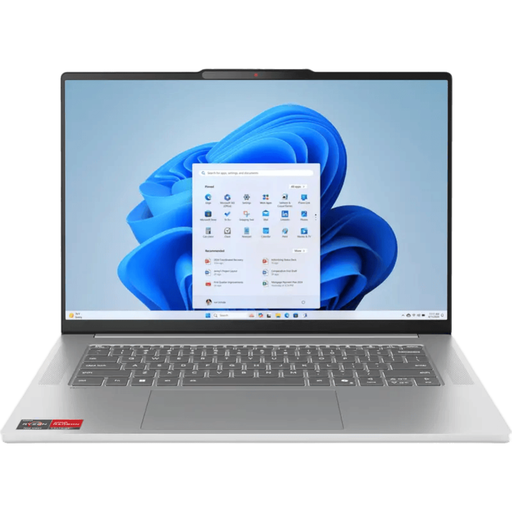 No image available
Lenovo IdeaPad Slim 5 15ARP10 R7
A laptop with HDMI and USB-C for combining poster work on the built-in screen with use at a shared workspace.
15.3-inch IPS screen with 1920 × 1200 pixels; 16 GB RAM; 512 GB SSD; HDMI and USB-C; stated weight 1.49 kg. The charger must be bought separately.
View at Joybuy
 No image available
ASUS Zenbook A14 UX3407QA-QD479W
A compact Windows laptop with HDMI and USB4 DisplayPort for using an external screen in different locations.
14-inch WUXGA OLED screen with 1920 × 1200 pixels; 16 GB RAM; 512 GB SSD; stated weight approximately 0.98 kg. A compatible 65 W USB-C Power Delivery charger is required and isn’t included.
View at Joybuy
 No image available
Samsung Galaxy Book4 NP750XGK-KG3NL
A Windows laptop with HDMI and USB-C for connecting to equipment at a shared workspace.
15.6-inch Full HD anti-glare IPS screen; 16 GB RAM; 512 GB SSD; Intel Core 7 150U; HDMI, USB-C and Gigabit Ethernet. The description lists a 45 W USB-C power adapter.
View at Joybuy
 No image available
HP OmniBook Ultra Next Gen AI 16-bk0001nd
A laptop with a spacious built-in screen for doing most of your poster layout on the laptop itself; USB-C/USB4 with DisplayPort is listed for an external screen.
16-inch OLED screen with 2880 × 1800 pixels; 32 GB RAM; 1 TB SSD.
View at Joybuy
Frequently asked questions
Does everyone need to use the same laptop to work on the poster together?
No, but agree on which software and source files you’ll use. InDesign can collect a project with linked images and a print-ready PDF into a package. Check the preflight messages, and only share font files if the licence allows it.
How do you set up a shared Windows computer for multiple users?
According to Microsoft, Windows supports separate user accounts with their own settings and documents. You should also agree on which shared project folder to save the poster in; a personal account doesn’t automatically share the design file.
Is 16 GB RAM essential for making a poster?
No, it isn’t a universal requirement for every poster. For InDesign 21.3 and later, Adobe lists 8 GB RAM as the minimum and 16 GB as the recommended amount. Check the requirements for the software and version you use.
What can you do if you’re unhappy with a laptop bought online or it’s faulty?
For an eligible online consumer purchase, you generally have a cooling-off period of up to and including 14 days after delivery, subject to legal exceptions. ACM ConsuWijzer explains how this cooling-off period works. If a product doesn’t conform to the contract, the seller is responsible for the statutory guarantee, according to the Netherlands Authority for Consumers and Markets. A voluntary manufacturer’s warranty is separate.


