
Scene organiser
You build your comedy scene by scene and want to move sections around as you revise. Literature & Latte describes Scrivener’s Binder, Corkboard and Outliner for this purpose, while Final Draft offers a Beat Board and Outline Editor.


First, decide how you want to organise your scenes. Headings in Word or Google Docs may be enough, while Scrivener or Final Draft offer other ways to structure them. Then check that your preferred software works with the laptop’s operating system, and compare the keyboard, screen space and weight with how and where you write.
You build your comedy scene by scene and want to move sections around as you revise. Literature & Latte describes Scrivener’s Binder, Corkboard and Outliner for this purpose, while Final Draft offers a Beat Board and Outline Editor.
You write a lot of dialogue and stage directions, and want the text and structure to be easy to read and work with. So compare the keyboard layout and screen space of the exact laptop configuration, as bol and Lenovo also recommend.
You write in different places and want to consider weight and offline access. Google Chromebook Help explains how to access certain Drive files offline on Chromebooks, while Apple lists battery-life figures for specific tasks on the MacBook Air.
Choose this option if: you want to use Word for Windows, Scrivener 3 for Windows or Final Draft 13 on a compatible PC.
Trade-off: Windows alone tells you nothing about writing comfort, so compare the keyboard and weight of the specific model.
Choose this option if: you want a macOS laptop and Scrivener or Final Draft fits your workflow.
Trade-off: Apple lists a 13.6-inch screen for the MacBook Air M5 reviewed here. Compare that workspace with larger models if you want to see your text and scene overview side by side.
Choose this option if: headings and a document outline in Google Docs suit your writing process.
Trade-off: Google Docs files can be made available offline in advance, but the desktop versions of Scrivener and Final Draft 13 reviewed here are not Chromebook options.
| What to consider | What to look for when buying | Who is this most relevant to? |
|---|---|---|
| Organising scenes and sections | Decide whether headings in a single document are enough or whether you want to organise scenes separately; also check the system requirements for your chosen software. | If I want to move scenes around as I revise, I look for a workflow that supports this. Around 33% of consumers make organisation their main priority. |
| Typing and reviewing your work | Check the keyboard layout and compare the usable screen space on the exact configuration. | For long writing sessions, I want to be able to type and review dialogue easily. Around 27% of consumers put writing comfort first. |
| Writing in different places | Compare the weight and check in advance whether you can open your files offline and sync them later. | If I write away from home too, portability and access to my manuscript matter. Around 20% of consumers give mobility the highest priority. |
| Laptop and software costs | First decide which features you need, then check the software’s current licence type and system requirements. | I don’t want to pay for writing software I don’t need, so I compare workflows first. Around 20% of consumers put the total purchase cost first. |
Google Docs provides a document outline with headings, but the desktop versions of Scrivener and Final Draft 13 reviewed here are not available for Chromebook.
First decide whether headings in Google Docs will do or whether you need a specific desktop programme. Then check the system requirements for that version of the programme.
Lenovo lists different processor, memory and operating system options for the IdeaPad Slim 3 14IRH10. The series name alone doesn’t tell you which configuration you’ll get.
Check the full model and item number, operating system and keyboard layout of the laptop on offer.
ACM ConsuWijzer distinguishes between commercial warranties and statutory guarantees. A manufacturer’s warranty is therefore not automatically the full measure of your rights.
Read the warranty terms separately, and contact the seller if you have questions about your statutory rights.
Apple lists separate battery-life figures for video streaming and wireless internet use for the MacBook Air reviewed here. These figures don’t automatically reflect a writing session with your software and settings.
Consider the stated usage alongside the laptop’s weight and where you plan to use it.
According to Acer, the Aspire Go 15 NX.KRPEH.00E is a Windows 11 laptop with a matte 15.6-inch Full HD IPS screen. This could be useful if you want to view your text and scene overview at home.
The 13-inch MacBook Air M5 is a macOS option for anyone who often writes on the go and wants to use macOS software.
The IdeaPad Slim 3 14IRH10 is a 14-inch Windows laptop range to consider if you’re looking for a more compact size.
HP describes a Chromebook and Chromebook Plus range for anyone who mainly writes in Google Docs.
These Windows laptops are worth comparing if you use writing software that runs on Windows. Check the listed configuration for each model, along with the requirements of your chosen programme.
 No image available
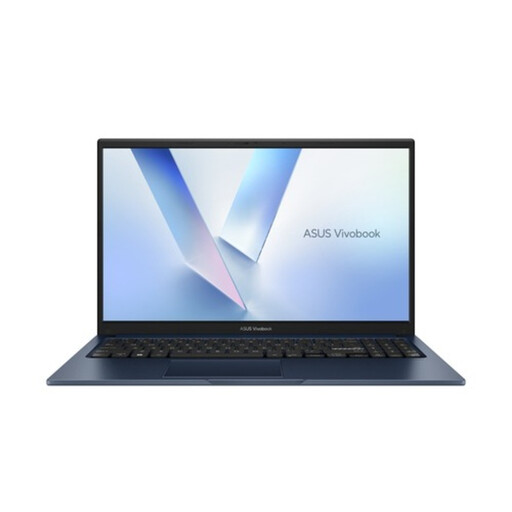
A Windows option to compare if you want to use Windows writing software and are looking for a 15.6-inch screen.
Windows 11 Home; 15.6-inch screen; Core 5 320; 8 GB RAM; 256 GB SSD; QWERTY keyboard; Quiet Blue.
 No image available
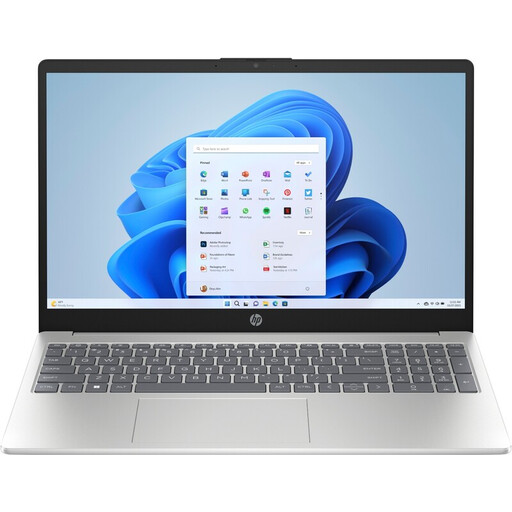
A Windows option to compare if you’re looking for a laptop for Windows writing software.
Windows 11 Home; 15-inch screen; Intel Core 5 120U; 8 GB DDR5; 512 GB storage; QWERTY keyboard; Moonlight Blue. The product description lists an IPS Full HD screen.
 No image available
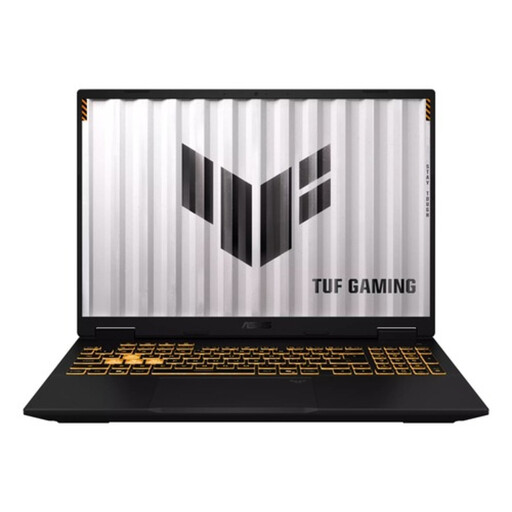
A Windows option with a 16-inch screen to compare if you want to view plenty of text and structure on screen.
QWERTY keyboard; Core i7-14650HX; RTX 5060; 16 GB RAM; 1 TB SSD; Off Black.
No image available
A Windows option to compare if you want to view text and structure on a larger screen.
16-inch WUXGA screen with a 16:10 aspect ratio; Windows 11 Home.
 No image available
A Windows option to compare if you’re looking for a 15.6-inch screen for working with text.
Windows 11 Home; 15.6-inch Full HD screen with anti-glare coating; Core 3 304; 8 GB RAM; 256 GB SSD; QWERTY keyboard; Quiet Blue.
Not necessarily: headings in Word for Windows or Google Docs can give you a document outline. If you want to organise scenes separately or rearrange them visually, Scrivener and Final Draft offer other tools. In that case, check that your chosen version works with your operating system.
Yes. According to Google, certain Google Drive files, including Docs files, can be made available offline on a Chromebook in advance. Set this up beforehand and check that the right file opens without an internet connection; the Chromebook will need to reconnect later to sync your changes.
Requirements vary by programme and version. Literature & Latte lists separate Scrivener licences for macOS and Windows. Also check the current licence type and system requirements for the software you want to use.
ACM ConsuWijzer generally states that you have 14 days to change your mind after delivery of an online purchase; exceptions and conditions may apply. You also have a statutory guarantee. This is separate from any commercial manufacturer’s warranty, and the seller is your point of contact for statutory guarantee claims.