Who is this laptop choice relevant to?

Managing multiple interview versions

You want to keep source recordings, editable edits and separate versions organised. The Audacity Manual explains how to save an editable project file so you can continue editing later; NWO highlights the importance of handling privacy-sensitive interview data with care.

Editing long interviews

You work with a timeline, a transcript and possibly several audio tracks or effects. Screen space, memory, and compatibility with your editing software and plug-ins are all worth considering. Lenovo’s podcast guide offers manufacturer advice for a related use case, not a universal minimum requirement for oral history.

Mobile interviewer and editor

You take your laptop between recording and editing locations and want to connect your recorder, storage and listening equipment. So check both the size and the ports on the specific configuration.

What should you look for in a laptop for oral history?

Compact macOS laptop

Suitable for: people who often work on location and have checked that their editing software and plug-ins work on macOS.

Bear in mind: check that all your equipment can connect to the available ports at the same time; you may need a hub or adapter.

Windows laptop with a larger screen

Suitable for: people who usually work at a dedicated desk and want to view the timeline, transcript and files side by side.

Bear in mind: a larger device is less convenient to carry around; ports and availability vary between configurations.

Compact Windows laptop

Suitable for: people who want to use Windows software and prefer a smaller screen size.

Bear in mind: consider whether the built-in screen gives you enough room for your timeline and transcript.

What to consider What to look for Best suited to
Source recordings and project versions Work out how much space your recordings and project copies will take up. Check how your software saves projects; for example, the Audacity Manual describes the editable .aup4 project file. If I want to keep source material and several editable versions together, I prioritise storage and a separate backup. Around 33% of consumers make version storage their main priority.
Editing workload Check the current requirements for your editing software and plug-ins on the operating system you have chosen. Then compare the memory, processor and SSD across the full configuration. If I work with several tracks and keep a transcript open at the same time, I want to choose a configuration that suits my own software. Around 27% of consumers prioritise editing workload.
Carrying it between locations Compare the screen size and ports on the exact configuration with what you need when you’re out and about. Don’t assume battery life during editing based on tests for other tasks. When I often take my laptop between recording and editing locations, portability matters a great deal to me. Around 20% of consumers prioritise mobility.
Screen space and ports Count the connections you need at the same time for your recorder, storage, screen and audio equipment. Check the ports on the specific configuration, not just the product range. If I spend long periods editing at a fixed workstation, I want to see my timeline and documents clearly and connect my equipment. Around 20% of consumers prioritise screen space and connections.

Common purchasing mistakes when editing interviews

  • Assuming an exported recording is a project backup

    An audio export and an editable project serve different purposes. Keep the project if you want to make changes later.

    Keep the source recording, editable project and selected project versions separate. Also check that you can actually open a backup.

  • Looking only at SSD capacity

    Where you do your active editing matters too. On its Windows download page, Audacity warns that network storage, regular external hard drives and USB sticks may be unreliable for active use.

    Check the storage guidance for your software and keep your working location separate from your backups.

  • Assuming all your equipment will connect directly

    The MacBook Air 13-inch M5 described here has two Thunderbolt 4 ports; the HP ProBook 4 G1i 16 configuration described here also lists Type-A and HDMI ports.

    Make a note of the connectors for your recorder, storage, screen and listening equipment, and check which ones you’ll use at the same time. Depending on the laptop you choose, you may need a suitable adapter or hub.

  • Confusing a manufacturer’s warranty with all your consumer rights

    ACM ConsuWijzer explains that your statutory guarantee applies alongside any manufacturer’s or retailer’s warranty.

    Check what any additional cover provides. Report a fault to the retailer and assess your rights based on your situation and the terms that apply.

Brands to compare when choosing a laptop

Apple

A compact macOS option for people who have checked in advance that their editing software and required plug-ins work on macOS.

  • For the MacBook Air 13-inch M5 configuration described here, Apple lists 16 GB of memory, a 512 GB SSD and two Thunderbolt 4 ports.
  • Check that the ports are sufficient for all the equipment you want to connect at the same time.

HP

The ProBook 4 G1i 16 configuration described here offers a Windows option with a larger built-in screen for a dedicated editing space.

  • For configuration B9YJ5ET#ABH, HP lists a 16-inch WUXGA screen, 16 GB of RAM, a 512 GB SSD and a range of port types.
  • HP listed the configuration mentioned as unavailable; this does not apply to other configurations.

Acer

The Swift Go 14 OLED is a compact Windows option; check the full part number, as specifications may vary between configurations.

  • For NX.KTSEH.00A, Acer lists a 14-inch screen, 16 GB of memory and a 512 GB SSD.
  • Acer listed the configuration described as out of stock. An OLED screen alone does not determine how suitable a laptop is for audio editing.

Lenovo

Lenovo’s guide to podcast editing can help you assess configurations for a related audio use case.

  • For longer or more complex podcast projects, Lenovo recommends 16 GB of RAM, a multicore processor and SSD storage.
  • This is manufacturer advice for podcast editing, not an independent performance test or a universal minimum requirement for oral history.

Laptop options at Joybuy

This selection includes laptops for people who want to store project material locally, edit on the go or have more screen space at a dedicated workstation. Check that the software, storage and connections on each configuration suit the way you work.

Auusda T161N laptop

Auusda T161N, 16 GB, 1 TB SSD

Could suit anyone who wants to keep interview material and project files locally and is looking for a larger built-in screen.

The product name lists a 16-inch screen, 16 GB of DDR4 memory, a 1 TB SSD and an i3 1000NG4 processor.

View at Joybuy

MSI Titan 18 HX AI A2XWJG-492NL

MSI Titan 18 HX AI A2XWJG-492NL

Could suit anyone who values a large built-in screen and plenty of internal storage; its weight is worth considering if you plan to carry it around.

The product name lists an 18-inch UHD+ screen, Intel Core Ultra 9 285HX, 64 GB of DDR5 memory and a 6 TB SSD. The description gives its weight as 3,6 kg.

View at Joybuy
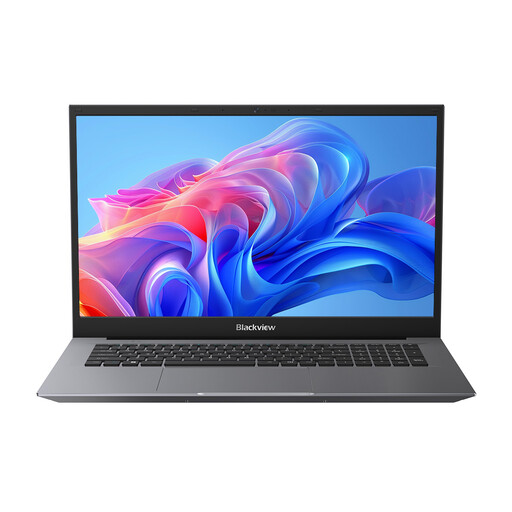
Blackview AceBook 10 laptop

Blackview AceBook 10, 18,5 inch

Could suit anyone looking for a large built-in screen and connections such as USB-A, USB-C and HDMI.

The product name lists an 18,5-inch screen, an Intel Pentium Silver N6000 processor, 16 GB of DDR4 memory and a 512 GB SSD. Its screen size makes it less compact to carry around frequently.

View at Joybuy

Apple MacBook Air 13-inch M5, 16 GB and 512 GB

Apple MacBook Air 13-inch M5, 16 GB, 512 GB

Could suit anyone looking for a compact laptop to work on location, provided they have checked that their editing software works on macOS.

The product name lists 16 GB of memory and a 512 GB SSD. The configuration described has two Thunderbolt 4 ports; you may need an adapter or hub if you want to connect several wired devices at the same time.

View at Joybuy

Lenovo IdeaPad Slim 5 15ARP10, 16 GB and 512 GB SSD

Lenovo IdeaPad Slim 5 15ARP10

Could suit anyone who wants a larger built-in screen and to keep project files locally.

The product name lists a 15,3-inch screen, Ryzen 5 7535HS processor, 16 GB of memory and a 512 GB SSD. According to the description, this configuration does not come with a USB-C power adapter.

View at Joybuy

Frequently asked questions about laptops for oral history

Should I keep an export, a project file or both?

Keep an editable project if you want to make changes later, and also export audio for use outside your editing software. The Audacity Manual describes the local .aup4 project as a file containing tracks, clips and edits; a standard audio export does not serve this purpose.

Can I save my active Audacity project directly to a USB stick or network drive?

On its Windows download page, Audacity warns that it needs fast, uninterrupted disk access, and that network storage, regular external hard drives and USB sticks may be unreliable for active use. Follow the storage guidance for your software and make separate backups.

Is cloud storage automatically suitable for confidential interviews?

No, using cloud storage does not automatically make it suitable. Audacity describes an option for uploading projects to audio.com and creating versions. Decide in advance who should have access and what security is needed; the Dutch Data Protection Authority requires organisations that process personal data to use appropriate security measures based on risk. According to the regulator, purely personal or household use falls outside the GDPR.

Do I always need consent under the GDPR for a Dutch oral history project?

Not as a general rule. When the GDPR applies to the processing of personal data, you need a valid legal basis; consent is one possible basis. The Dutch Data Protection Authority notes an exception for purely personal or household use. For your specific project, consider its purpose, the data and the applicable legal basis before sharing or publishing recordings.

What can I do if a laptop I’ve bought develops a fault too soon?

According to ACM ConsuWijzer, your statutory guarantee applies alongside any manufacturer’s or retailer’s warranty. Report the problem to the retailer; repairs or replacement may be free under the terms of the statutory guarantee. A stated manufacturer’s warranty period is not automatically the full extent of your statutory rights.
