Start with the files and programmes you want to use. For saved PDFs, images and notes, local storage, a screen that’s easy to read and a separate backup are important considerations. If you also want to explore AHN elevation data in QGIS, check that your operating system supports the desktop software you need and how much space your own map sheets will take up. If you’ll be carrying your laptop around often, factor in screen size, weight and ports when making your choice.
Who is this laptop guide for?
Offline source reader
You keep maps, scans and texts on your laptop so you can study them alongside your notes, even without an internet connection. Google Chromebook Help explains how offline use works and where downloads are stored on a Chromebook; the Kadaster presents Topotijdreis as a website for historical maps.
Researcher working with map data
You want to do more than just view downloaded elevation files by map sheet — you want to explore them in GIS software too. AHN explains its downloadable data and map sheets, while QGIS documents the platforms it supports.
Mobile map comparer
You take your laptop with you and weigh portability against having enough screen space to compare maps and documents. Specifications from Lenovo, Apple and HP show that screen size, weight and ports vary between configurations.
What should you look for in a laptop for offline research in the polders?
Windows laptop
A good fit if: you want to open map files locally in QGIS or prefer a Windows-based way to manage documents and backups.
Bear in mind: the software installation and map files will also take up storage space. Check the screen, memory and SSD configuration of the exact model.
MacBook with macOS
A good fit if: you want to use macOS, install QGIS locally and have a compact laptop for reading and writing.
Bear in mind: check whether any software required for your course supports macOS, and whether the available ports suit your external storage and displays.
Chromebook
A good fit if: you mainly use saved PDFs, images and documents, and have checked in advance that your apps work offline.
Bear in mind: Google warns that local storage may be limited and files in Downloads may sometimes be deleted. The QGIS installation guide does not list ChromeOS as a directly supported desktop platform.
| Buying concern |
What should you check? |
Who will value this? |
| Offline access to sources |
Check the usable SSD space, where downloads are stored and how you’ll make a second copy. Microsoft Support explains how to use File History to back up to an external drive or network location. |
If I want to open maps, scans and texts without an internet connection, local storage is my first consideration. Around 33% of consumers give offline access to downloaded sources top priority. |
| Local map data research |
Check whether the operating system supports a QGIS desktop installation and how much space your own AHN map sheets will take up. AHN splits large datasets into map sheets. |
If you want to explore elevation files in GIS yourself, you’ll need to be able to use the software and files required for the task. Around 27% of consumers prioritise local map data research. |
| Portability and screen space |
Compare the weight, screen size and resolution, and ports for external storage or a second display on the exact configuration. |
If I carry my laptop around often but want to view maps and text side by side, I weigh portability against screen space. Around 20% of consumers prioritise portability. |
| Value and essentials |
Compare complete configurations by memory, SSD space, ports and included accessories. Consider any extended warranty alongside your statutory rights. |
If you want a suitable configuration without paying for features you don’t need, it’s worth comparing the full specifications. Around 20% of consumers prioritise value and essentials. |
Which buying mistakes can you avoid?
-
Confusing an online maps website with an offline map archive
Topotijdreis displays historical maps on a website, while AHN offers geodata that can be downloaded separately. These aren’t the same files or offline workflows.
Before choosing a laptop, work out which maps and documents you can actually use as files.
-
Relying on a small SSD or temporary download folder as your only storage
AHN splits large datasets into map sheets. Google Chromebook Help warns that files in Downloads may sometimes be deleted.
Work out how much space your materials will need and make a separate backup.
You may need an external storage device to keep a second copy.
-
Assuming every model in a laptop range has the same features
Manufacturers offer different screen, memory and storage configurations within each product range.
Compare the full model number and check which components and ports come with the configuration on offer.
You may need an adapter or another storage solution if the ports or available storage don’t suit the way you use your laptop.
-
Confusing an extended warranty with your statutory rights
According to the Dutch government, you’re entitled to a product that is fit for purpose even without buying an additional warranty.
Check which risks any additional cover actually includes and consider it alongside your statutory rights.
Paid cover can add to the cost without giving you any useful extra rights for your situation.
Which laptop brands are worth comparing?
Lenovo
The IdeaPad Slim 5 Gen 9 (14-inch, AMD) is a compact Windows range worth comparing.
- Lenovo lists a weight of 1.46 kg and two USB-C ports for this range.
- Check the screen, memory and storage of the individual configuration; range-wide features don’t necessarily apply to every model.
Apple
The 13-inch MacBook Air with M5 is a macOS option for anyone looking for a compact laptop and locally installed software.
- According to Apple, the base configuration has 16 GB of unified memory, a 512 GB SSD, a 13.6-inch display and two Thunderbolt 4 ports.
- Check that the software you need supports macOS and that your peripherals can connect to the available ports.
HP
The HP OmniBook 3 range includes a 14-inch option for everyday study.
- HP describes a range of options for memory, storage, processor and display across the series.
- The stated maximum battery life and display options don’t apply to every configuration; compare the full model number.
ASUS
The Vivobook 14 (M1405) is worth considering if screen space and ports for peripherals matter to you.
- ASUS lists a 14-inch WUXGA display and various USB and HDMI ports for this model range.
- The specifications cover a range with different options; don’t assume every regional configuration has the same features.
Joybuy laptops for offline study and map data
These Joybuy laptops offer different combinations of screen space, local storage and portability to consider when studying downloaded materials.
 No image available
Lenovo IdeaPad Slim 3 15AHP10 — Ryzen 7 8840HS, 16 GB, 512 GB SSD, QWERTY
The stated SSD capacity and 15.3-inch display are worth considering if you want to store materials locally and compare maps with documents.
15.3-inch WUXGA IPS display with anti-glare coating and 16:10 aspect ratio; 16 GB memory; 512 GB SSD; Windows 11 Home; weight 1.59 kg. Charger not included.
Joybuy
 No image available
ASUS Vivobook 18 M1807HA-S16512W — Ryzen 7 260, 16 GB, 512 GB SSD, Blue, QWERTY
The large display may suit you if you want plenty of room to view documents and maps. Bear the stated weight in mind if you’ll be carrying the laptop around often.
18.4-inch WUXGA display; 16 GB memory; 512 GB SSD; weight 2.60 kg. A compatible 45–65 W USB-C Power Delivery charger is required and not included.
Joybuy
 No image available
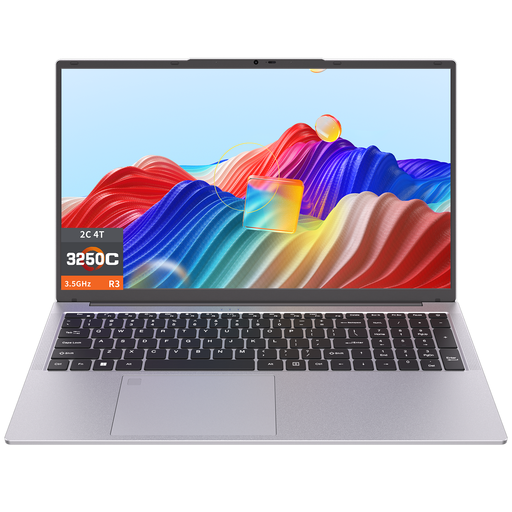
Auusda T173A — 17.3-inch, 3250C, 8 GB DDR4, 512 GB SSD
The 17.3-inch display and SSD are useful details to consider if you want to store and view downloaded documents and maps locally.
17.3-inch display; 8 GB DDR4 memory; 512 GB SSD; 3250C processor.
Joybuy
 No image available
Lenovo IdeaPad Slim 3 14AHP10 — Ryzen 7 8840HS, 16 GB, 1 TB PCIe SSD, Luna Grey, QWERTY
The stated SSD capacity matters if you store files locally; the 14-inch display and stated weight are worth considering if you’ll be carrying the laptop around often.
14-inch WUXGA IPS display; 16 GB memory; 1 TB PCIe SSD; Windows 11 Home; weight 1.39 kg.
Joybuy
No image available
Lenovo ThinkBook 16 G8 IAL 21SK00EBMH — Intel Core Ultra 5 135H, 16 GB DDR5, 512 GB SSD, QWERTY
This model has a 16-inch display and a selection of ports worth comparing if you want to use documents, map data and peripherals.
16-inch WUXGA IPS display with anti-glare coating; Intel Core Ultra 5 135H 14-Core; Intel Arc Graphics; 16 GB DDR5; 512 GB SSD; Windows 11 Pro; USB-A, USB-C and HDMI.
Joybuy
Frequently asked questions
Can I automatically study historical maps from Topotijdreis offline?
No. Don’t assume you can access a map offline just because it’s visible on a website. The Kadaster presents Topotijdreis as a website for viewing historical maps; check separately which sources you can actually download.
How do I prepare a Windows laptop for local GIS work?
QGIS offers a standalone Windows installer that you can install after downloading, without an internet connection. Download the map sheets you need in advance too, and test your own files. Having the programme installed doesn’t mean online map layers will be available offline.
How can I avoid losing my notes and downloaded sources?
Keep a separate copy. Microsoft Support explains how File History can copy selected libraries to an external drive or network location; add other folders yourself if needed. On a Chromebook, don’t leave your only copy in the Downloads folder.
Do I automatically get exactly two years of statutory warranty on a laptop in the Netherlands?
No. According to the Dutch government, there’s no fixed statutory warranty period in the Netherlands: you’re entitled to a product that is fit for purpose for as long as you could reasonably expect it to be. If a product is faulty, the retailer is your point of contact; a manufacturer’s or additional warranty is separate from these rights.
Can I return a laptop bought online in the Netherlands?
For many consumer purchases made remotely from a business, you have a 14-day cooling-off period. According to the Dutch government, an online purchase from a private seller doesn’t fall under this definition of a distance sale. Before buying, check who the seller is and which terms apply.


