What should you look for when buying?
First, check that your development tools work with the operating system you’ve chosen and that you can open your files offline. Then compare the configuration and screen space with the way you plan to use the laptop.
| What to consider |
What should you check? |
Who is this important for? |
| Local storage |
Check the SSD capacity, how much space will remain after installation, and whether your documentation can actually be downloaded and opened locally. |
If I want to keep working without a network connection, my code and reference material need to be available locally; around 31% of consumers put local storage first. |
| Tool compatibility |
Make a note of your programming language and the tools you need, then check their support for the operating system and, where relevant, the processor architecture. |
I want to know first whether my editor, runtime and other tools work on the system I’ve chosen; compatibility is the top priority for around 25% of consumers. |
| Screen and multitasking |
Compare the screen size and resolution with the exact memory configuration, and consider whether you usually use an external monitor. |
When I have code, documentation and a test environment open at the same time, usable workspace matters a lot; around 19% of consumers prioritise screen space and multitasking. |
| Portability |
Check the size, weight, power requirements and ports of the specific version. |
When working in different locations, I want to know in advance what I need to bring and which ports are available; portability is the main buying consideration for around 13% of consumers. |
| Configuration and lifespan |
Check what’s included with the exact version and distinguish your statutory rights from paid additional cover. |
I want to understand which configuration and service I’ll get, and whether they suit the way I use the laptop; around 12% of consumers prioritise this consideration. |
Joybuy laptops with larger screens
This selection focuses on laptops with a larger built-in screen for code and documentation. Check that the specific configuration and development tools are right for your project.
 No image available
Acer Nitro 18 AI AN18-61-R25V, Ryzen AI 7 350, RTX 5060
The 18-inch version is a good fit if you want to view code and documentation on a large built-in screen.
Specifications: 18-inch WQXGA screen, 16 GB DDR5, 1 TB SSD, Windows 11 Home and QWERTY keyboard.
Check that your development tools support Windows 11 Home.
Joybuy
 No image available
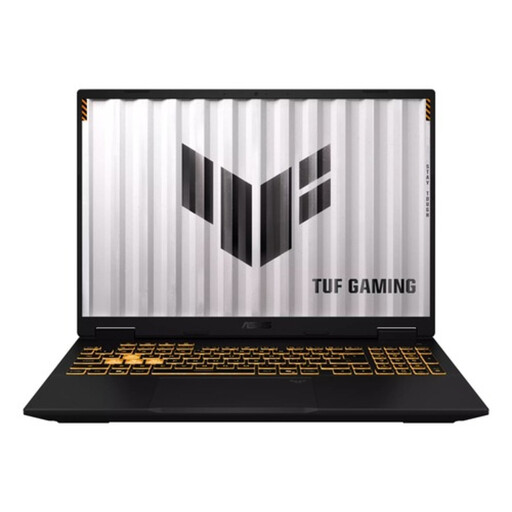
ASUS TUF Gaming 16 FX610JM-TU005W, Core i7-14650HX, RTX 5060
The 16-inch screen gives you room to view code and reference material side by side.
Specifications: Intel Core i7-14650HX, RTX 5060, 16 GB RAM and 1 TB SSD.
Check your project’s operating system and tool requirements for the exact version.
Joybuy
 No image available
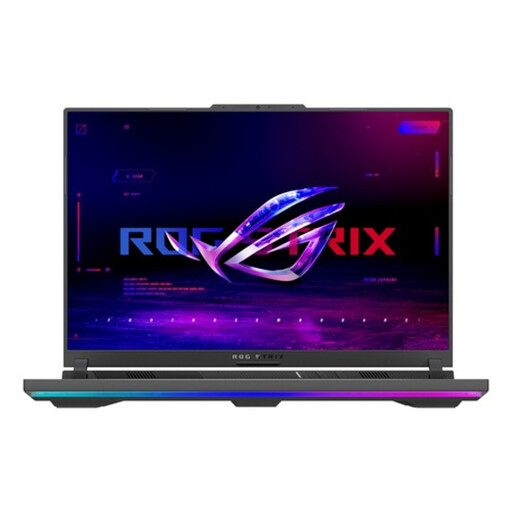
ASUS ROG Strix G16 G614PP-S5032W
This 16-inch version is an option if you want to view code and documentation on the built-in screen.
Specifications: 16-inch screen, 16 GB memory, 1 TB SSD and Windows 11 Home.
Check that the included configuration suits your development environment.
Joybuy
No image available
ASUS TUF Gaming F16 FX610JM-TU120W
The 16-inch WUXGA screen is worth considering if you want to view code and documentation together on the built-in display.
Specifications: 16 GB memory, 1 TB SSD and Windows 11 Home.
Check the exact configuration and that your development tools are supported.
Joybuy
 No image available
MSI Stealth 16 AI+ B3WF-011NL, Core Ultra 9 386H, RTX 5060
The 16-inch QHD+ version could suit you if you want to view code and reference material on a single built-in screen.
Specifications: 32 GB DDR5, 1 TB SSD, Wi-Fi 7 and Windows 11 Home.
Check that the development tools you need work with this configuration.
Joybuy
Frequently asked questions
Can I start programming without an internet connection?
Yes, if you make the tools and documentation you need available locally in advance. Download them while you’re connected, then test without a network connection to make sure your editor, project files, dependencies and reference material open. Microsoft Learn explains how to use local documentation for Visual Studio; that doesn’t mean every tool or documentation source works offline.
Does the flashcard trainer itself need to work offline?
No. Offline documentation and an offline flashcard trainer are separate requirements. If the trainer also needs to work without an internet connection, design and test that functionality separately; MDN describes options such as caching with a service worker.
Is 16 GB RAM essential for this flashcard trainer?
No, 16 GB is not a stated minimum for this application. Microsoft lists separate system requirements for VS Code, while the Dutch Consumers’ Association recommends 16 GB when you use several programmes at once. So consider your complete set of tools and check whether the memory can be upgraded.
Do I automatically get exactly two years’ statutory warranty in the Netherlands?
No, there is no fixed statutory warranty period in the Netherlands. According to the Dutch government, you’re entitled to a product that meets what you can reasonably expect; if there’s a problem, contact the retailer. A manufacturer’s warranty or paid additional cover is separate.
Can I return a laptop bought online?
For applicable distance sales from a business, you’ll often have a 14-day cooling-off period. Check the terms of the specific transaction; according to the Dutch government, an online purchase from a private seller is not covered by the same rules.


