Who might find this laptop guide useful?

Developer working with offline documentation

Wants to access code, guides and essential development files without an internet connection. Download the resources you need in advance; for example, the Python Software Foundation publishes an HTML archive for Python 3.14.0.

Developer using several local tools

May use additional development environments or containers alongside an editor. Microsoft outlines the requirements for Visual Studio Code, while Docker publishes separate installation requirements for Docker Desktop.

Developer working in different places

Regularly takes their laptop with them and weighs a compact screen against having enough room to read code and documentation side by side. Apple and HP describe 13.6-inch and 16-inch models respectively in the product information reviewed.

What should you consider when choosing a laptop for offline programming?

Compact macOS laptop

A good fit if: your development tools run on macOS and you often take your laptop with you. For the MacBook Air with M5 reviewed, Apple specifies 16 GB of memory, a 512 GB SSD and a 13.6-inch screen.

Consider: the smaller screen leaves less room to view code and documentation at the same time. Apple’s battery-life figures are based on specific activities, not programming work.

Windows laptop with room to expand

A good fit if: you want to tailor memory and storage to your local projects and tools. Lenovo lists two SODIMM slots and two M.2 slots for the ThinkPad E14 Gen 7 configuration 21T00050MB.

Consider: these specifications and the Belgian keyboard apply to this particular configuration. Check the model code and keyboard layout of the version you’re considering.

Laptop with a larger screen

A good fit if: you usually work at a desk and want to read code and documentation side by side. HP lists a 16-inch screen for the ProBook 4 G1i reviewed.

Consider: a larger screen alone doesn’t tell you whether a laptop is easy to carry. Check the exact configuration, dimensions, keyboard layout and connection requirements.

Buying concern What should you check? Who does this matter to?
Working offline Check that your operating system and tools are compatible, and set aside SSD space for documentation, projects and required packages. Test your prepared working environment without a network connection. If I want to keep working offline, I need my project files and required packages stored locally, as well as my manuals. Around 36% of consumers put access to their complete working environment first.
Room for several tools Check the system requirements for the programmes you actually use, then compare the memory, SSD and any expansion slots in the exact configuration. If you use additional local tools alongside an editor, you’ll want to know whether the configuration you choose can handle them. Around 29% of consumers prioritise capacity for their own combination of programmes.
Portability and screen space Compare the screen size, resolution, weight and connections of the complete configuration. Consider battery-life claims in light of the activity used for testing. If I often move between workspaces, I want a laptop I can take with me while still being able to read code and documentation comfortably. An estimated 21% of consumers put this balance first.
Cost and configuration Set your budget and work out what your tools require. Then compare the complete configuration, including the operating system, keyboard and supplied charger. If I’m working to a tight budget, I want to establish what my tools need first and avoid choosing a configuration based on the model name alone. Around 14% of consumers prioritise keeping costs under control.

Pitfalls to avoid when programming offline

  • Assuming documentation will automatically be available offline

    A guide is only available locally once you’ve downloaded it. Packages, extensions and project files may also still be online.

    Make a list of the files you need, download them in advance and test your working environment with the network connection turned off.

    Gathering and checking documentation and installation files in advance takes preparation time.

  • Assuming a code editor’s requirements apply to everything

    Microsoft’s published hardware recommendation applies to Visual Studio Code; additional tools have their own requirements. For example, Docker Desktop has its own installation options for Windows.

    Check the requirements for every programme you actually want to use at the same time.

  • Assuming a model name always refers to the same configuration

    With configurable models, the processor, memory and other components can vary between versions. Lenovo also lists a Belgian keyboard for the ThinkPad configuration reviewed.

    Before buying, check the full model code, configuration, keyboard layout and supplied charger.

  • Confusing an extended warranty with your statutory rights

    ACM ConsuWijzer distinguishes between your statutory rights against the seller and any manufacturer’s or seller’s warranty.

    First check which statutory rights apply, then consider what an additional service product offers.

    An additional warranty product may involve extra costs.

Brands and models to consider

Lenovo

The ThinkPad E14 Gen 7 (AMD) is worth considering if you’re looking for a 14-inch Windows configuration with documented memory and storage slots.

  • According to Lenovo, configuration 21T00050MB has two SODIMM slots and two M.2 slots, 16 GB of RAM and a 512 GB SSD.
  • Lenovo lists a Belgian keyboard for this configuration, so check the layout of the version you choose.

Apple

The 13-inch MacBook Air with M5 is a compact macOS option if your development tools run on it.

  • For the base configuration reviewed, Apple specifies 16 GB of memory, a 512 GB SSD and a 13.6-inch screen.
  • Apple’s battery-life figures relate to specific test activities and aren’t a measure of programming work.

Dell

The configurable Dell 14 DC14250 is worth considering if you want to tailor a compact Windows laptop to your tool requirements.

  • Dell offers a choice of processor, memory and operating system.
  • Dell warns that changing a configuration can also alter other specifications, so check the final version.

HP

The 16-inch ProBook 4 G1i is a larger-screen Windows option if having room for code and documentation is important to you.

  • HP lists a 16-inch screen and several types of connections for the product page reviewed.
  • HP’s claims about productivity and battery performance aren’t based on an independent programming test and don’t necessarily apply to every configuration.

Joybuy products for programming and offline documentation

These Joybuy products may suit you if you want to store documentation and project files locally and are looking for a screen size that fits your workspace.

HP OmniBook 5 Flip 14-fp0075nd C5VM5EA#ABH

HP OmniBook 5 Flip 14-fp0075nd C5VM5EA#ABH

A Windows configuration to consider if your tools run on it and you want to store your files locally.

Windows 11 Home, 16 GB RAM and a 512 GB SSD. The charger must be purchased separately.

View at Joybuy

ASUS ROG Zephyrus G16 GU605CM-QR026W, 16-inch

ASUS ROG Zephyrus G16 GU605CM-QR026W

The 16-inch screen suits anyone who wants to view code and documentation on a larger display.

16-inch screen, Ultra9-285H, RTX 5060, 16 GB RAM and a 1 TB SSD. The charger must be purchased separately.

View at Joybuy
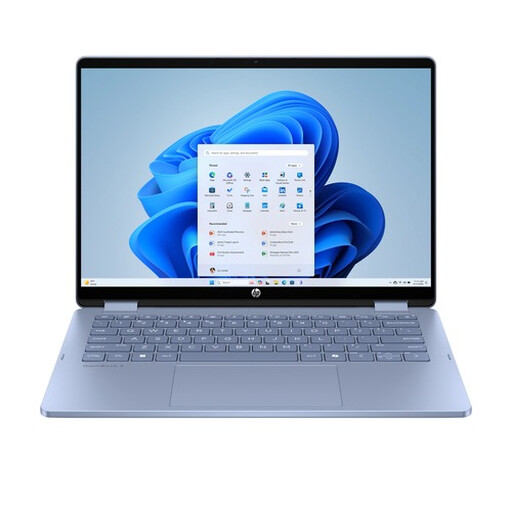
HP OmniBook 5 Flip 14-fp0251ndx 2-in-1, blue

HP OmniBook 5 Flip 14-fp0251ndx 2-in-1

A 14-inch touchscreen laptop to consider if you’re looking for a compact Windows configuration for files stored locally.

Intel Core 5 120U, 8 GB RAM, a 512 GB SSD and Windows 11 Home. The memory is onboard and can’t be upgraded; the charger and stylus aren’t included.

View at Joybuy
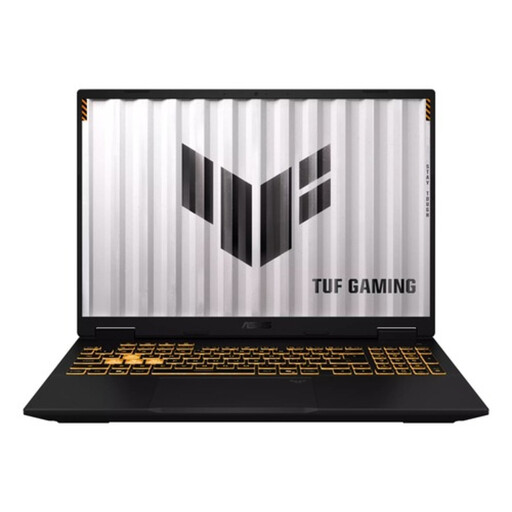
ASUS TUF Gaming 16 FX610JM-TU005W, 16-inch

ASUS TUF Gaming 16 FX610JM-TU005W

The 16-inch size suits anyone who prefers to view code and documentation on a larger screen.

Core i7-14650HX, RTX 5060, 16 GB RAM, a 1 TB SSD and a QWERTY keyboard. The charger must be purchased separately.

View at Joybuy
ASUS TUF Gaming F16 FX610JM-TU120W

ASUS TUF Gaming F16 FX610JM-TU120W

A 16-inch laptop to consider if you’d like more screen space when programming.

16 GB DDR5 memory, a 512 GB SSD and a 16-inch screen.

View at Joybuy

Frequently asked questions

Do I need a laptop with a dedicated graphics card for a puzzle generator?

The programming task described doesn’t indicate that you do. First, work out which programming language, libraries and any graphics or AI tools you’ll use, then check their system requirements. The requirements for Visual Studio Code don’t automatically apply to additional software.

How can I use documentation without an internet connection?

Download a locally accessible version of the documentation you need in advance. For example, the Python Software Foundation publishes an HTML archive for Python 3.14.0. Also store your project files and required software locally, and test your setup without a network connection.

What should I check if I want to use containers on Windows?

Check the system requirements for Docker Desktop and the Windows installation you plan to use. Docker describes different installation options and backends, including WSL 2. A laptop that’s suitable for a code editor alone may not be right for the way you use containers.

What warranty rights do I have when buying as a consumer in the Netherlands?

According to ACM ConsuWijzer, your statutory rights against the seller are separate from any manufacturer’s or seller’s warranty. If a product doesn’t perform as you could reasonably expect during normal use, the seller is responsible for providing an appropriate solution free of charge. An advertised warranty period doesn’t automatically set the limit of your statutory rights.

Can I return a laptop bought online in the Netherlands?

ACM ConsuWijzer states that online consumer purchases generally come with a statutory 14-day cooling-off period, which ends 14 days after delivery; exceptions apply. Check the relevant returns policy, and remember that the cooling-off period is separate from your statutory rights if a product is faulty.
