
Editor who does a lot of typing
You write and edit long pieces at a shared desk. A comfortable keyboard, a clear screen and a suitable working setup matter more to you than maximum processing power.


Start with the software you use to write and publish, the keyboard and the connections available at your shared workspace. Then compare screen size, portability and memory. You may not need a powerful processor for mostly text-based work, while running several programmes at once or working with larger photo files can make more memory and storage useful.
You write and edit long pieces at a shared desk. A comfortable keyboard, a clear screen and a suitable working setup matter more to you than maximum processing power.
You share files and want to keep using your existing publishing software, printer or workspace connections. So your first step is to check that the exact laptop configuration is compatible.
You take your laptop with you and don’t always have a power socket nearby. Screen size, portability and the conditions behind the stated battery life are important factors to consider.
Choose this option: if your newsletter work depends on existing Windows programmes, a specific printer or a shared workspace setup.
Bear in mind: check the software, printer, connections and keyboard layout for the exact configuration. Printer installation can cause problems on some Windows PCs with an Arm processor.
Choose this option: if you mainly work in a browser and Google Docs, and your publishing and printing process is compatible.
Bear in mind: set up offline working in advance; not every app or service works without an internet connection.
Choose this option: if the newsletter software you need works on macOS and having a compact laptop is important to you.
Bear in mind: the 13-inch model has two Thunderbolt 4 ports. Check that your shared display and peripherals are compatible, or whether you’ll need an adapter. Battery figures depend on Apple’s test conditions.
Once you’ve chosen a software environment, start by comparing your workspace and everyday input needs. Then consider how much memory and storage your workflow requires.
| What to consider | What should you check? | Who is this important for? |
|---|---|---|
| Typing comfort | Try the keyboard layout and key feel. Also check for screen glare and whether you can connect a separate keyboard or monitor. | If I write for long periods, I want to type comfortably and position the screen properly at my shared desk. Around 33% of consumers in this situation prioritise typing comfort. |
| Software and equipment | Make a note of the required apps, file formats, printer and display connections. Check that they’re compatible with the operating system and exact configuration. | If I need to keep using existing software, files or peripherals, I want to know in advance that everything will work together. Around 25% of consumers in this situation prioritise compatibility. |
| Portability and charging | Compare the weight of the exact configuration, the charger you’ll need, the screen size and the test conditions for the stated battery life. | If I move between workspaces or don’t always have access to a power socket, I consider what I’ll need to carry every day. Around 25% of consumers in this situation prioritise portability. |
| Memory and storage | Choose memory and storage to suit the number of programmes and files you use. Check whether the memory can be upgraded later. | If I mainly write text, I don’t want to choose a configuration I don’t need, but I do want enough room for my programmes and files. Around 17% of consumers in this situation prioritise value for money and how long a device will remain useful. |
Extra processing power isn’t automatically necessary for writing. A laptop that doesn’t suit your software or shared workspace can still be inconvenient.
First check your apps, keyboard layout and display or dock connections. Then choose the processing power you need.
A more powerful configuration could mean unnecessary expense, while you may still need to buy connection accessories.
The keyboard layout can vary between configurations. For example, the Lenovo ThinkPad E14 Gen 7 21T9001TMH is listed with an English (EU) keyboard.
Check the full model or product number and the keyboard layout of the configuration you want to buy.
Some offline apps and services don’t work in incognito or guest mode. Printer installation can also cause problems on some PCs with an Arm processor.
Try working on a document without an internet connection in advance, and test the printer with your chosen device and operating system.
You may need extra preparation or a suitable solution for your peripherals.
If a product is faulty, the seller remains your point of contact for a solution, according to the Dutch government. An extended warranty doesn’t change this.
Compare the terms of paid cover with the rights you already have.
Extended cover may cost money without offering many additional rights.
The ThinkPad E14 Gen 7 is a Windows option for editors who use existing PC software.
The Chromebook Plus 514 CB514-5H-3544 is a ChromeOS option for browser-based editing.
The 13-inch MacBook Air with M5 is a macOS option if your newsletter workflow works on that platform.
The ProBook 4 G1ah 14 is a Windows configuration worth comparing for desk-based use.
These Joybuy laptops are Windows options to compare for writing and editing at a shared desk. For each configuration, check that the software, keyboard and workspace connections suit your needs.
 No image available
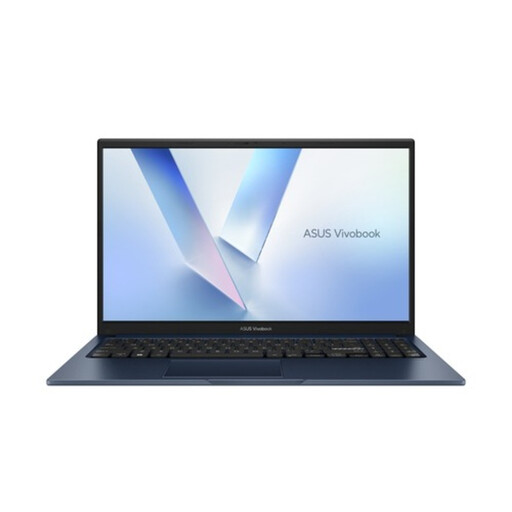
A Windows laptop to compare for light newsletter work; the Dutch Consumers’ Association considers 8 GB sufficient for light use and 256 GB suitable for everyday office work.
The product name lists a QWERTY keyboard. The product description specifies Windows 11 Home and a 15,6-inch Full HD screen.
 No image available
Compare this configuration if you use several programmes at once and would appreciate a larger screen. Also consider whether its size suits your shared desk.
The product description specifies Windows 11 Home, a 15,3-inch WQXGA OLED screen and a weight starting at 1,87 kg.
 No image available
A Windows configuration to compare for light writing work; match the specifications to your apps and the number of programmes you use at the same time.
The product name lists a QWERTY keyboard. The product description specifies a 15,6-inch Full HD anti-glare screen, Windows 11 Home, a weight of 1,70 kg and a 180° hinge.
 No image available
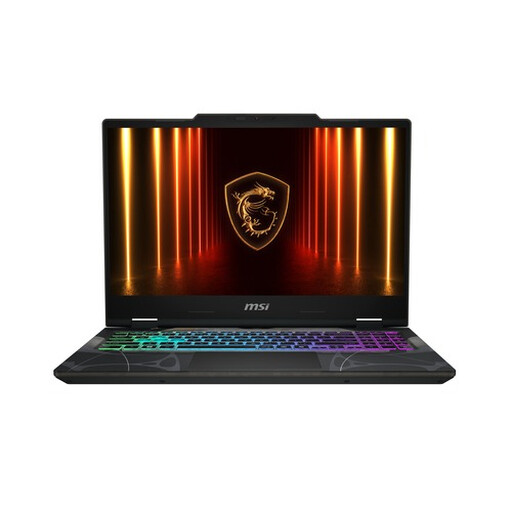
Compare this Windows configuration if your newsletter work involves several programmes; check which connections your shared workspace requires.
The product description specifies a 15,6-inch Full HD screen, USB-C, HDMI and Windows 11 Home.
 No image available
A Windows laptop to compare if you move between workspaces and need connections for an external screen.
The product description specifies a 14-inch WUXGA anti-glare screen, a weight starting at 1,39 kg, USB-C, HDMI and Windows 11 Home. The product name lists a QWERTY keyboard.
Not necessarily: the Dutch Consumers’ Association considers 8 GB sufficient for light use, while 16 GB is a good option if you use several programmes at once. Consider your editing workflow and check whether the memory in your chosen configuration can be upgraded.
For employees who work at a screen for more than 2 hours a day, Arboportaal describes a workplace requirement: the screen and keyboard must not be attached to each other. When using a laptop, it must be possible to use a separate screen or keyboard. This is not a general requirement to choose a particular laptop model.
You can do this for supported offline tasks if you set them up in advance. Google warns that some offline apps and services don’t work in incognito or guest mode. Test your own documents and publishing process before relying on them.
For a consumer purchase in the Netherlands, the seller is responsible for providing a solution if the product is faulty, according to the Dutch government. The Netherlands has no fixed statutory warranty period, according to the Dutch government. Normal wear and tear or damage caused by you is not automatically covered by free repairs.
Not without first checking the rules that apply. You need a valid legal basis under the GDPR to process email addresses for a newsletter. If the newsletter is digital direct marketing, prior consent is generally required, according to the Dutch Data Protection Authority. There is a specific exception for existing customers and your own similar products; recipients must be able to unsubscribe. Whether these rules apply to your newsletter depends on its content and who sends it.