First, choose a laptop that runs your DAW and plug-ins and can drive your preferred second screen. Then check that you’ll still have the ports you need for your audio interface. For larger projects with lots of tracks or plug-ins, the processor, memory and storage matter more than they do for a simple mix. A compact laptop or a model with HDMI may mean making different decisions about ports and the adapters you’ll need.
Who is this choice relevant to?
Mixers working with two screens
You want to view your arrangement and detailed editing side by side. So check the video output, cable and ports left free for your audio equipment. Ableton Live supports working across two screens; the connection itself depends on your laptop.
Mixers using lots of plug-ins
For projects with lots of tracks or effects, the processor, memory and fast storage matter more than simply having a large built-in screen. Ableton recommends 16 GB of memory or more for the production use described, although your actual needs depend on your workflow.
Mixers with existing equipment
You already have a DAW, plug-ins or an audio interface. Check that the software works with the operating system and that the driver and connections are compatible. Ableton recommends ASIO on Windows when using a compatible audio interface.
What should you look for?
First check software compatibility and the connection for your second screen. Then compare the capacity you’ll need for your projects and the room left for your audio equipment.
| What to consider |
What should you check? |
Who is this important for? |
| Second screen and ports |
Check the video output and supported screen resolution, the cable, and which ports will remain free for your audio interface. |
I want to see my arrangement and detailed editing at the same time while keeping my interface connected. That’s why around 31% of consumers give the combination of screen output and available connections top priority. |
| Compatibility |
Note the requirements for your DAW and plug-ins, the operating system, and the driver supported by your interface. |
If I want to keep using my current software and equipment, I check they’re compatible before choosing a laptop. Around 31% of consumers prioritise compatibility with their existing software and equipment. |
| Capacity for your mix |
Compare the processor, memory and SSD with the size of your projects and your DAW’s recommendations. |
With lots of tracks, effects or virtual instruments, I want enough capacity for the demands of my projects. Around 25% of consumers focus on processing power, memory and storage for their mixes. |
| Size and extra equipment |
Compare the size and built-in ports of the exact configuration. Also check whether you’ll need an adapter or hub for your screen. |
If I’m taking my laptop with me, I weigh portability against having the right connections built in and any extra accessories I might need. Around 13% of consumers give portability and costs top priority. |
Common buying mistakes
-
Checking only that the laptop has USB-C
Not every USB-C port supports the video output your screen needs. You’ll also need to leave enough room for your audio interface.
Check the screen support and ports on the exact configuration, along with your screen cable and the connection for your interface.
Relevant brands to consider
Apple
The MacBook Air M5 is a compact macOS option for anyone who wants to work with an external screen.
- Apple Netherlands states that it supports using the built-in screen alongside external screens.
- According to Apple, the Air M5 has two Thunderbolt 4 ports and no built-in HDMI or USB-A connection. Check that your screen cable and audio interface are compatible, or whether you’ll need an adapter.
Lenovo
The IdeaPad Slim 3 15IRH10 is a Windows range worth comparing if you’re looking for HDMI or USB-C video output.
- Lenovo PSREF documents HDMI and USB-C video output for the 15IRH10 range.
- The processor, memory and storage vary by configuration. Check the full model number and the screen support for the configuration you’re considering.
ASUS
The Zenbook 14 OLED UX3405CA is a compact Windows range worth comparing for a setup with an external screen.
- The UX3405CA-QL535W configuration reviewed lists HDMI and two Thunderbolt 4 ports, as well as 32 GB of memory and a 1 TB SSD.
- These specifications apply to that configuration, not necessarily the whole range; on their own, they don’t tell you anything about audio performance when mixing.
HP
The EliteBook Ultra G1i is a Windows range to compare if business product support is important to you.
- HP provides an official driver and support page for the EliteBook Ultra G1i.
- Check the ports and audio suitability of the specific configuration separately.
Joybuy product picks
These laptops are options to compare for a mixing setup with a second screen. Check that the connections on each configuration suit your screen and audio equipment.
 No image available
HP OmniBook 7 AeroNGAI 13-bg1051nd NL Copilot+ 13.3-inch AMD Ryzen AI 5 laptop
A Windows laptop to compare for a mixing setup with a second screen.
13.3-inch; AMD Ryzen AI 5.
View at Joybuy
 No image available
Lenovo IdeaPad Slim 3 14AHP10, Ryzen 7 8840HS, 16 GB, 1 TB SSD
A Windows laptop to compare if memory and storage are also important for your mix.
AMD Ryzen 7 8840HS; 16 GB RAM; 1 TB SSD; 14-inch.
View at Joybuy
 No image available
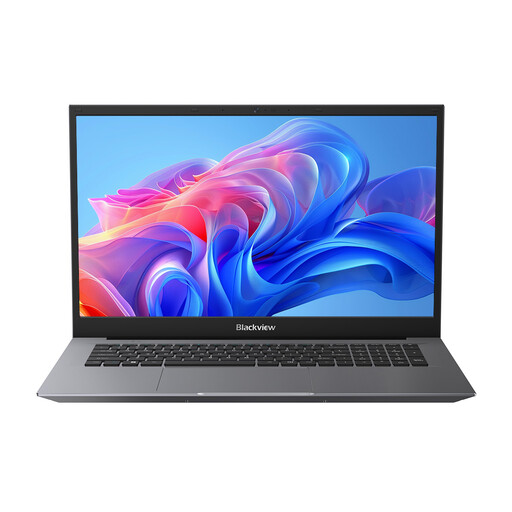
Blackview AceBook 10, 18.5-inch, Pentium Silver N6000, 16 GB, 512 GB SSD
An option to compare if you’re looking for a laptop with a large built-in screen; also check the connection for your second screen.
Intel Pentium Silver N6000; 16 GB DDR4 RAM; 512 GB SSD; Windows 11 Pro.
View at Joybuy
 No image available
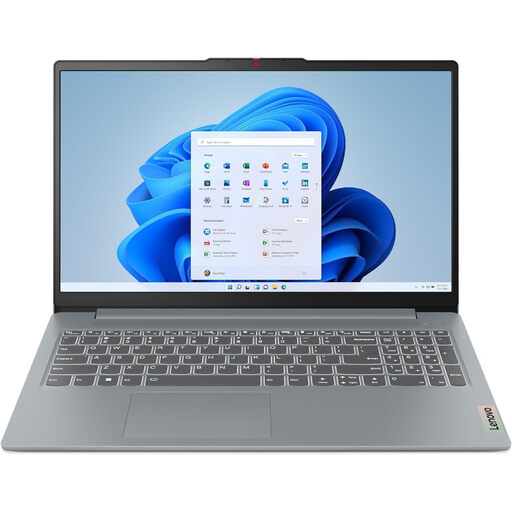
Lenovo IdeaPad Slim 3 15AHP10, 15.3-inch WUXGA, Ryzen 5 8640HS, 16 GB DDR5, 512 GB SSD
A Windows laptop to compare for a mixing setup; also consider whether the memory can be upgraded when making your choice.
AMD Ryzen 5 8640HS; 16 GB DDR5 memory; 512 GB SSD. According to the product description, the memory cannot be upgraded.
View at Joybuy
 No image available
Lenovo Yoga 9 16N1X11 83N70020MH, 16-inch 2-in-1, NVIDIA RTX Spark N1X, 32 GB, 1 TB SSD
A 2-in-1 laptop to compare if memory and storage are high on your list.
16-inch; 32 GB RAM; 1 TB SSD; 360-degree hinge.
View at Joybuy
Frequently asked questions
Do I need a special second screen for Ableton Live?
No, you don’t need a special screen. Ableton Live supports a second window across two screens and also describes using that window on one large screen. For two physical screens, your laptop needs to have a suitable video output.
How do I connect an audio interface for mixing?
First check that your operating system supports your interface’s connection and driver. Ableton’s setup instructions refer to CoreAudio for Mac and ASIO for Windows; also check which settings are suitable for your interface.
Is 8 GB of memory enough for Ableton Live?
Ableton lists 8 GB as the minimum for Live 12, but recommends 16 GB or more for the production use described. What your mix needs depends on the number of tracks, instruments and plug-ins.
How long is a laptop covered by warranty in the Netherlands?
The Netherlands has no fixed statutory warranty period. According to the Dutch government, a product must be fit for purpose, and the retailer is your point of contact if it isn’t. A manufacturer’s warranty or additional cover is on top of your statutory rights.
Can I return a laptop bought online?
For an online purchase from a business, the Dutch government says you generally have 14 days to change your mind. The same rules don’t apply to purchases from a private seller, so check the terms of your specific purchase.


