
Magazine designer working beside a bright window
You regularly work in a bright spot and want to assess your pages clearly. Check the screen finish of the exact configuration, and view the display from the angle you normally work at.


If you’re laying out a magazine beside a bright window, start by checking the screen finish and SDR brightness of the exact configuration. Then consider the workspace and memory your software requires. Lenovo lists one ThinkPad P16 Gen 3 configuration with a 16-inch anti-glare IPS display, 500 nits and 100% sRGB. These specifications alone don’t guarantee that colours will match the printed result; your colour workflow matters too.
You regularly work in a bright spot and want to assess your pages clearly. Check the screen finish of the exact configuration, and view the display from the angle you normally work at.
You keep pages, images and tool panels open side by side. Screen space, enough memory for your software and a suitable colour workflow all matter.
You take your laptop between workspaces and weigh up a more compact screen against the room you need to lay out your pages.
First compare the screen finish and brightness for your workspace. Then consider the space, software requirements and colour workflow that suit your layout work.
| What to consider | What to look for when buying | Who should pay particular attention? |
|---|---|---|
| Reflections and readability | Check the exact screen finish and SDR brightness. Don’t use HDR peak brightness as a guide to brightness in standard layout windows. | If I work beside a bright window, I first want to know which screen version I’m buying and how it looks from my viewing angle. Around 40% of consumers say readability in light from a window is their top priority. |
| Workspace, memory and colour workflow | For InDesign 21.3 and later on Windows, Adobe lists 8 GB RAM as the minimum and 16 GB as the recommendation. Also check the output settings required by your printer. | If I use pages and tool panels side by side, I want enough space and memory for the way I work, as well as clarity about colour output. Around 40% of consumers prioritise space for layout and colour work. |
| Portability | Compare 14-inch and 16-inch models based on the physical space you need. Also check the ports on the configuration you choose. | If I often move between workspaces, I want a size I can carry without losing sight of the workspace I need. Around 20% of consumers say portability is their top priority. |
Apple distinguishes between SDR brightness and peak brightness for HDR content. The HDR figure alone doesn’t tell you how bright the screen will be when you’re doing standard layout work.
Compare the SDR specification and screen finish of the exact configuration.
ASUS lists different model numbers and screen specifications within the ProArt P16 range. ASUS notes that the specifications shown may differ from the product sold in store.
Compare the full model number, screen resolution, finish and memory configuration with the details of the version you want to buy.
A screen’s colour specification is no substitute for checking the output for your printer. Adobe explains how colour management with profiles works when printing from InDesign.
Agree the output settings with your printer before using the on-screen image as your final check.
The ThinkPad P16 Gen 3 is a Windows option to consider if you’re looking for a large, anti-glare workspace.
The 14-inch and 16-inch MacBook Pro models are options if you want macOS and prefer to weigh up screen size and finish separately.
The ProArt P16 range includes Windows laptops for creative work, with a large OLED screen to consider if you want to view pages and panels on one built-in display.
The ZBook Fury G1i is a workstation range to consider if configuration options and a large workstation are important to you.
This selection of Joybuy products includes 16-inch models for a more spacious built-in workspace, as well as a 14-inch MacBook Pro for anyone looking for a more compact screen.
 Image unavailable
A 16-inch screen is worth considering if you’re looking for a larger built-in workspace for your pages and panels.
16-inch WUXGA OLED screen; Snapdragon X processor; 16 GB LPDDR5X; 512 GB SSD; Windows 11 Home.
 Image unavailable
This model is an option if you’re looking for a large OLED screen and plenty of memory for your layout work.
16-inch 4K OLED screen; 64 GB RAM; 1 TB SSD; Windows 11 Pro; QWERTY keyboard.
 Image unavailable
The 16-inch screen is an option if you want to view pages and panels on a large built-in workspace.
128 GB RAM; 2 TB SSD; 120 Hz 3K OLED touchscreen; Windows 11 Pro; QWERTY keyboard.
 Image unavailable
The more compact screen size is an option if you take your laptop between workspaces. Bear in mind that a 14-inch screen offers less physical space for your pages than a 16-inch screen.
14.2-inch screen; 24 GB memory; 1 TB storage; Space Black; QWERTY keyboard.
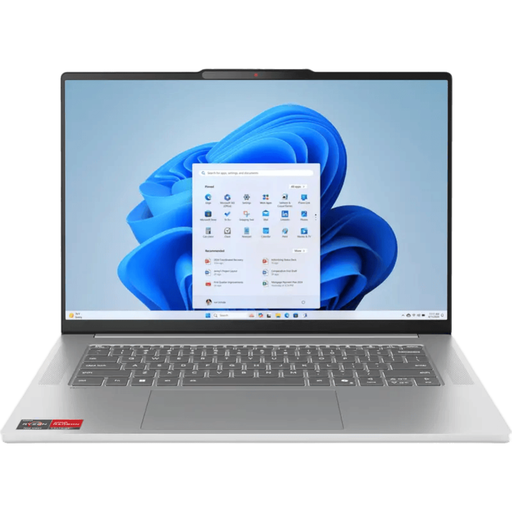 Image unavailable
The 15.3-inch screen offers a middle ground between the compact 14-inch size and the 16-inch models mentioned above.
16 GB memory; 512 GB storage; Windows 11; QWERTY keyboard.
No. Don’t use HDR peak brightness as a substitute for SDR information and the screen finish. Apple lists a peak brightness of 1600 nits for HDR content only, as well as up to 1000 nits of SDR brightness outdoors. Also check the finish of the configuration you choose.
Ask your printer which output settings you need, and use a suitable colour management process. Adobe explains how InDesign applies colour profiles when printing. A stated screen colour gamut alone doesn’t confirm what the final printed result will look like.
According to ACM ConsuWijzer, online purchases generally come with a statutory cooling-off period of up to 14 days after delivery, subject to applicable exceptions. You’re also entitled to a product that meets reasonable expectations under consumer law; this right isn’t automatically limited to any manufacturer’s warranty on offer.
No, a CE mark isn’t an assessment of screen quality. According to the European Commission, specific EU rules may require CE marking for certain product groups; the applicable rules must be established for the product being sold. This is a product requirement for economic operators, not a separate registration requirement for the buyer.