
Designer without a regular power socket
You work in different places and want to know whether the battery can handle your own level-design session, not just a light-use battery test.


Start with your engine and the demands of your projects, then assess how long the laptop can handle that specific work without being plugged in. For complex Unreal Engine scenes, RAM and graphics memory are important things to check. A stated battery capacity or maximum battery life won’t, on its own, tell you how long you can spend designing levels.
You work in different places and want to know whether the battery can handle your own level-design session, not just a light-use battery test.
You build demanding scenes or use resource-intensive rendering features, and want to match the GPU, graphics memory and RAM to your engine.
You’re looking for a configuration that suits your current projects without carrying more performance than you need, while still allowing for potential project growth.
First, work out which engine you use and the scale of your projects. Then check that both the performance and battery suit the way you work.
| What to consider | What should you check? | Who is this important for? |
|---|---|---|
| Working time away from a power socket | Look for a battery test involving tasks similar to your level-design work, and check the battery capacity of the exact configuration. | If I can’t always work near a power socket, I want to know how long my own design session will last. Around 33% of consumers make battery life their top buying priority. |
| Complex 3D scenes | Check your engine version and the features you use. For the Unreal Engine environment cited, Epic Games recommends 32 GB RAM and 8 GB or more of graphics memory on Windows. | If you work with large scenes or demanding rendering, you’ll want to avoid a configuration that limits your projects. Around 27% of consumers prioritise 3D performance. |
| The right configuration | Check the full model code, RAM and storage. Also make sure the required power adapter is included. | If smaller projects don’t need a high-end configuration, I mainly want to take what suits my work and leave room to grow. Around 20% of consumers put choosing the right configuration first. |
| Portability and workspace | Compare the size, weight and screen specifications of the exact same configuration, and consider whether you use an external monitor when you’re out and about. | If you work in different places, you’ll need to weigh up screen space against how easy the laptop is to carry. Around 20% of consumers make comfortable mobile working their top priority. |
A general product page may list different battery specifications from the specific configuration you’re considering. As a result, a claim about the range could give you the wrong impression of the model you’re buying.
Compare the battery and model code on the product page for the exact configuration.
The fact that a laptop can charge via USB-C doesn’t tell you how much power is available during demanding tasks. Some specific ASUS and HP configurations may also require you to buy an adapter separately.
Check which power supply the exact model needs and whether the adapter is included.
You may need to buy a suitable power adapter separately, so check before choosing a configuration.
Gaming models can vary in RAM and graphics memory. The HP Victus configuration reviewed has 12 GB RAM and 6 GB graphics memory, which is below Epic Games’ recommendation for the demanding Unreal Engine workflow cited.
Compare the specifications of the exact configuration with your engine and project, not just the range name.
The TUF Gaming A16 is a Windows option to consider if you want to balance graphics performance with working on the go.
The Nitro V 15 offers a specific Windows configuration to consider for more demanding 3D work.
A MacBook Pro is a macOS option if your full development toolchain runs on it and portability is a priority.
The Legion Slim 5 is a Windows gaming range worth comparing for portability and performance.
The Victus range includes configurations where you’ll need to check the specifications and included power supply carefully.
These are Windows gaming laptops with a dedicated GPU, for anyone weighing up the configuration needed for 3D projects against portability and battery capacity when designing levels.
 No image available
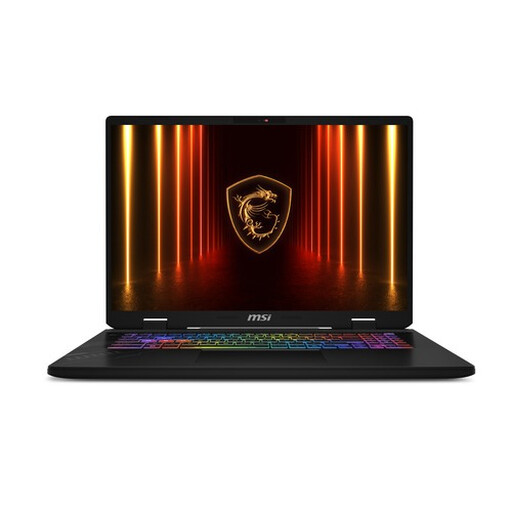
An option to consider for complex projects when you need plenty of RAM and graphics memory.
Intel Core Ultra 7 255HX, RTX 5060 with 8 GB graphics memory, 32 GB DDR5, 1 TB SSD, 17-inch QHD+ screen with 240 Hz and a 90 Wh battery. The stated weight is 2,8 kg; battery capacity doesn’t tell you how long you can do 3D work on a single charge.
For the Unreal Engine environment cited, Epic Games recommends 32 GB RAM and 8 GB or more of graphics memory on Windows.
 No image available
A large-screen configuration to consider if graphics memory is important and you’re happy to weigh up the lower amount of included RAM.
Ryzen 7 260, RTX 5070 with 8 GB graphics memory, 16 GB RAM and 1 TB SSD. According to the product description, the memory is upgradeable to 64 GB. The battery is 90 Wh and the stated weight is around 2,60 kg. The charger must be bought separately.
Epic Games’ cited Unreal Engine recommendation is 32 GB RAM, so the included 16 GB falls short.
 No image available
This configuration combines an RTX 5060 with 8 GB graphics memory and an 18-inch screen. If you’ll be using it on the go, bear its size in mind too.
Ryzen 9 8940HX, 16 GB RAM and 1 TB SSD. The product description lists two RAM slots and a weight of around 3 kg. The charger is sold separately.
Epic Games recommends 32 GB RAM for the Unreal Engine environment cited on Windows, so the included 16 GB falls short.
 No image available
A 15,6-inch configuration to compare if the screen size and anti-glare finish suit your workspace.
Ryzen 9 270, RTX 5070 with 8 GB GDDR7, 16 GB DDR5 and 512 GB SSD. According to the product description, the memory is upgradeable to 96 GB.
Epic Games recommends 32 GB RAM for the Unreal Engine environment cited on Windows, so the included 16 GB falls short.
 No image available
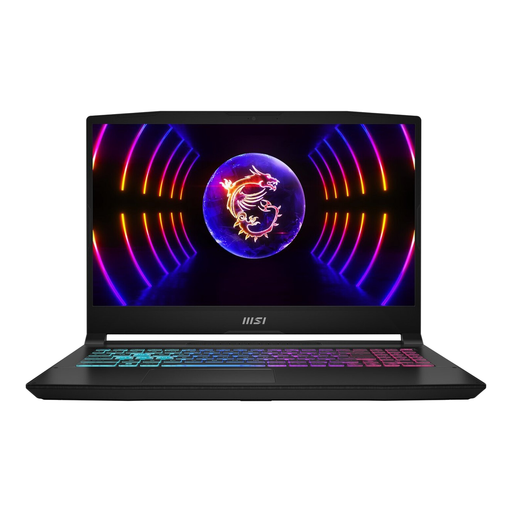
A 15,6-inch IPS configuration to consider if you want to balance a dedicated GPU against the included RAM.
Core i7, RTX 5060 with 8 GB graphics memory, 16 GB RAM and 1 TB SSD. According to the product description, the memory is upgradeable to 96 GB; the battery has a capacity of 75 Wh.
Epic Games recommends 32 GB RAM for the Unreal Engine environment cited on Windows, so the included 16 GB falls short. Battery capacity doesn’t predict how long you can work on level design.
It depends on the engine and the scale of your project. For the Unreal Engine version cited on Windows, Epic Games recommends 32 GB RAM and 8 GB or more of graphics memory. Unity gives 8 GB as a general recommendation for the editor, but larger or more complex projects may need more.
Not without a battery test involving tasks similar to your level-design work. Check the battery for the exact configuration too: ASUS lists 70 Wh for one A16 configuration in the Netherlands, while the general A16 range page lists 90 Wh.
Check that the operating system and graphics hardware are suitable for the version of the editor you plan to use. Unity lists supported platforms for each version and notes that performance depends on the complexity of your project.
The Consumers’ Association of the Netherlands advises against keeping the battery fully charged for long periods and exposing it to heat. Check whether your laptop has a charge limit feature. If it does, setting a limit may mean you need to recharge sooner when you’re out and about.
For online purchases, ACM ConsuWijzer says you generally have a statutory cooling-off period of up to 14 days after delivery. If a product doesn’t meet reasonable expectations under normal use, the seller is responsible for the statutory guarantee; there is no fixed general end date of two years.