What should you look for when buying?
Start with local storage for source files and active projects. Then match the processor and memory to the tracks and effects you use, and consider whether the laptop’s portability and connections suit your equipment.
| What to consider |
What to check before buying |
Who this matters to |
| Storage for recordings and projects |
Add up your source files, expected new recordings, project space and the working space you want to keep free. Compare the total with the SSD capacity of the exact configuration. |
If you want to keep long source recordings locally, you’ll also want room for active projects. Around 33% of consumers prioritise local storage for source material and projects. |
| Processor and memory |
Check the requirements of your editing software and match them to the number of tracks and effects you use at the same time. |
If you edit several tracks and effects at once, you’ll want to know whether the processor and memory suit your software and workflow. Around 27% of consumers put this editing workload first. |
| Portability |
Balance screen size against ease of carrying and comfortable editing. Assess battery-life claims in light of the manufacturer’s test conditions. |
If you want to select or edit recordings on location, portability matters, but the screen still needs to be large enough for your workflow. Around 20% of consumers prioritise portability. |
| Connections and compatibility |
Compare the ports and operating system of the exact laptop configuration with your recorder, interface, cables, drivers and editing app. |
If you want to keep using your own recorder or audio interface, it’s worth checking in advance which connections and software you’ll need. Around 20% of consumers put connectivity and compatibility first. |
Joybuy products
This selection includes compact laptops and configurations with more local storage. Compare the exact configuration with the space your active projects and source files need.
 No image available
HP OmniBook 7 AeroNGAI 13-bg1051nd NL Copilot+
The listed configuration combines a 512 GB SSD with 16 GB RAM, giving you a basis for weighing up local storage and editing memory.
AMD Ryzen AI 5 processor; 13.3-inch screen; weight 1.46 kg.
View at Joybuy
 No image available
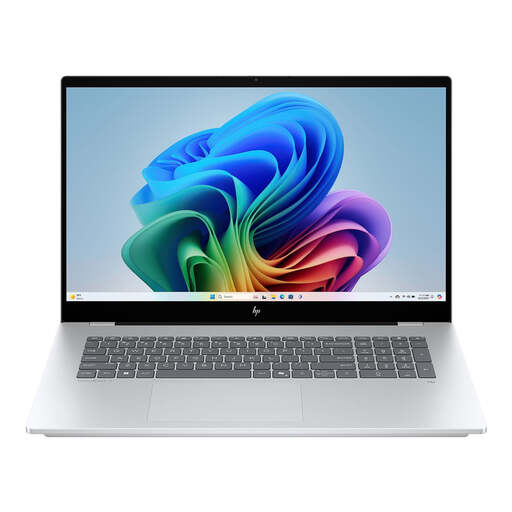
HP OmniBook 7 NG AI PC 17-dc0051nd D75LTEA#ABH
The 512 GB SSD and 16 GB LPDDR5X are useful configuration details to compare with your project and storage needs.
Intel Core Ultra 5 226V processor; 17.3-inch screen. Power adapter not included.
View at Joybuy
 No image available
HP OmniBook 5 Flip 14-fp0075nd C5VM5EA#ABH
This configuration lists 16 GB RAM and a 512 GB SSD. Compare that capacity with the amount of local working space you need.
Intel Core 7 150U processor; 14-inch screen; weight 1.62 kg. Power adapter not included; the description recommends a compatible USB-C charger of at least 45 W.
View at Joybuy
 No image available
Apple MacBook Air 13-inch M5 24GB 1TB - Midnight (2026) - QWERTY Keyboard
The 1 TB SSD and 24 GB memory make this configuration worth comparing if you want to keep a lot of files locally.
13-inch size; weight 1.23 kg.
View at Joybuy
 No image available
Apple MacBook Air 15-inch M5 16GB 512GB - Starlight (2026) - QWERTY Keyboard
This configuration lists 16 GB memory and a 512 GB SSD. Check whether that gives you enough local space for your source files and active projects.
M5 processor; 15.3-inch screen.
View at Joybuy
Frequently asked questions
Can I rely on an external drive for large recordings?
You can use external storage for archiving if you wish, but remember to allow local space for active editing too. For Audacity 3.x, Audacity Support advises against storing active projects on external drives, USB flash drives or network storage.
Do I need to export files if I want to carry on editing later?
No. Save the editable project if you want to make changes later; exporting creates an audio file for use outside the project. Audacity Support describes the project and exporting as separate parts of the workflow. Keep a separate backup as well.
Does a two-year manufacturer’s warranty set the limit for my statutory guarantee in the Netherlands?
No. A two-year manufacturer’s or seller’s warranty doesn’t automatically limit your statutory rights. According to ACM ConsuWijzer, the statutory guarantee depends on what you could reasonably expect from the product. The seller is your point of contact if a product is faulty despite being used normally.
Do I have a cooling-off period when I buy a laptop online in the Netherlands?
For online consumer purchases, there is generally a statutory cooling-off period of up to 14 days after delivery, according to ACM ConsuWijzer. Check the applicable exceptions and returns policy for your specific purchase.


