
Indexer working with two windows
You enter pattern details at home while keeping the pattern visible. Screen space and easy-to-read input fields are therefore important considerations; Microsoft Support explains how to arrange windows in Windows.


For indexing knitting patterns, a laptop with plenty of built-in screen space is a sensible place to start, but first check that your indexing software works with the operating system. A larger screen gives you more room for two windows, while a smaller model is easier to carry around. Microsoft Support and Apple Support explain how to arrange windows side by side, but readability also depends on your screen and text size.
You enter pattern details at home while keeping the pattern visible. Screen space and easy-to-read input fields are therefore important considerations; Microsoft Support explains how to arrange windows in Windows.
You want to use your patterns and index in different places, and are weighing up a compact screen against more workspace at home. Apple Support explains how to arrange windows side by side on a Mac.
You store pattern files and index details, and want to know whether your chosen software and files will work on the laptop. Ravelry describes its pattern search options, while Microsoft Support explains file backup and recovery.
First, check that your indexing software and files work with the operating system you have in mind. Then see whether the pattern and index entry fit side by side on the built-in screen at a readable size, and weigh that workspace against how often you’ll be taking the laptop with you.
| What to consider | What should you check? | Who should give this more weight? |
|---|---|---|
| Pattern and index entry side by side | Try your own windows at your preferred text size. Compare the screen size, resolution and aspect ratio of the exact configuration. | If I enter lots of details at home and want to read the pattern at the same time, a usable split-screen view is my top priority. Around 41% of consumers prioritise two readable windows. |
| Software and files | Check the system requirements for your indexing software and open a representative pattern file on the operating system you’re considering. | If I want to keep using my existing indexing software and patterns, I check compatibility before choosing a laptop. Around 25% of consumers prioritise software and file compatibility. |
| Portability and workspace | Weigh the screen size and weight of the exact configuration against how often you take your laptop with you. Also check the ports if you might use an external screen. | If I regularly index patterns in different places, I want a laptop that’s easy to carry without disrupting my workflow. Around 17% of consumers prioritise portability. |
| Storage and recovery | Check how much space your pattern files take up and how you can copy and restore your index and files. | If I want to keep a digital pattern collection, I look beyond storage space and make sure I have a restorable copy. Around 17% of consumers prioritise preserving and recovering their collection. |
A window arrangement feature doesn’t guarantee that a pattern and index entry will both be easy to read on your chosen screen at your preferred text size.
Open two real work windows at your preferred scale before choosing a screen size or operating system.
Arranging windows side by side is not the same as supporting the required software and file format. Also, not all apps work offline on a Chromebook.
Check the system requirements and open a representative file on the platform you’re considering.
The included power supply and required ports can vary between configurations. You may also need to choose an external monitor separately for a fixed workspace.
Check what’s included in the box and the ports on the exact configuration before you order.
If files are deleted or the laptop develops a fault, you could lose your index and pattern files. Files stored on the laptop itself don’t automatically make a restorable copy.
Make a note of which folders you copy, and test that you can restore a pattern and its corresponding index entry.
HP lists several 16-inch OmniBook and ProBook configurations. These are separate product ranges, each with its own configurations.
The IdeaPad Slim 5 16 is an example of a laptop with an anti-glare WUXGA screen.
The MacBook Air is a macOS option if your indexing software works with that system.
The Aspire range includes laptops for everyday use; the Aspire 16 NX.J7BEH.001 is a specific 16-inch configuration.
These Joybuy laptops have a spacious built-in screen, so you can view a pattern and index entry side by side. Check that the operating system, screen display and ports on each configuration suit the way you work.
 No image available
An option for viewing a pattern and index entry on a large built-in screen.
16-inch touchscreen with a resolution of 1920 × 1200 and a 16:10 aspect ratio.
16 GB RAM, 1 TB SSD and Windows 11.
 No image available
This 16-inch configuration is an option for viewing two work windows on the built-in screen.
1920 × 1200 resolution, 16:10 aspect ratio and anti-glare coating.
32 GB RAM, 512 GB PCIe 4.0 SSD and Windows 11 Pro.
 No image available
The 16-inch screen gives you built-in workspace to view a pattern and index entry side by side.
QHD+ screen, 16 GB RAM and 1 TB SSD.
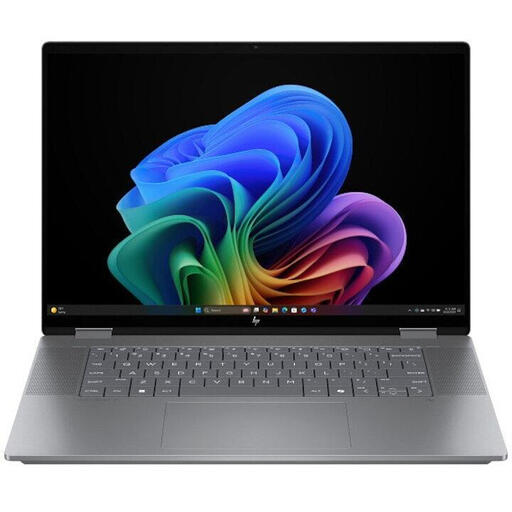 No image available
A 16-inch configuration to consider if you want to view a pattern and index entry on one screen.
16:10 OLED touchscreen with a resolution of 2880 × 1800.
24 GB RAM and 1 TB SSD.
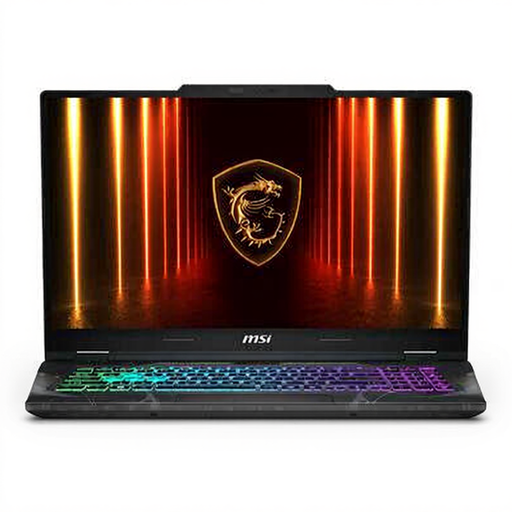 No image available
The 17.3-inch screen gives you room to view two documents side by side. Bear its size in mind if you take the laptop with you often.
Full HD resolution of 1920 × 1080 and a 16:9 aspect ratio.
16 GB RAM, 512 GB SSD and a listed weight of 2.4 kg.
Yes. Windows Snap, window tiling on macOS and split windows in ChromeOS let you arrange windows side by side. Try this with your own apps and text size, as the feature doesn’t guarantee that two specific documents will be easy to read on every screen.
A dedicated graphics card hasn’t been shown to be necessary for this indexing task. Consumentenbond recommends 8 GB RAM as a starting point for light office work and 16 GB if you often have several programmes open at once. Also check the system requirements for your indexing software.
Check that both your patterns and your index are available offline. Google Chromebook Help says that some Drive files can be used offline, but some apps won’t work without a connection. Also make a restorable copy of important files.
According to the Dutch government, a 14-day cancellation period applies to many distance purchases, although exceptions may apply. There’s no fixed statutory guarantee period in the Netherlands: you’re entitled to a product that meets what you could reasonably expect. Also check any additional guarantee terms.
It depends on the apps and files you use. Google Chromebook Help says some Drive files can be available offline, but not all apps work without a connection. So check that your indexing software and pattern files can be used offline.