First, choose a laptop that runs your word-processing software and lets you send documents in the required file format. Writing letters, emailing and browsing don’t necessarily require much processing power. A Chromebook could suit a workflow based entirely in a browser, while Windows or macOS may make more sense if you need a specific desktop application. Also consider how often you’ll move your laptop and how you set up at a shared workstation: choosing a bigger or more expensive model won’t solve those issues on its own.
Who is this choice relevant to?
Applicant who mainly writes
You want to browse job listings, edit a cover letter and CV, and send files in the required format. The software you need matters more than high processing power. The Consumentenbond says 8 GB of memory is enough for light tasks such as email and browsing.
Applicant who works in different places
You take your laptop with you regularly and need to set up a suitable workspace each time. When comparing models, consider their size, ports and the equipment available at the shared desk. Arboportaal advises reassessing your setup when you move to a different workstation.
Applicant who spends a long time at a shared desk
You write for extended periods and want to position the screen and keyboard comfortably. Arboportaal outlines additional requirements for employees who work at a screen for more than 2 hours a day; these requirements don’t automatically apply to every applicant or working situation.
What should you look for?
Start with the software and file format you need for your application. Then choose according to your workspace, how often you take your laptop with you and which programmes you use at the same time.
Chromebook
A good fit if: you can complete your application using browser-based documents and export them in the required formats.
Keep in mind: check that you don’t need a specific desktop application, and look at the update support for the model you choose.
Windows laptop
A good fit if: you need a specific Windows application or want to use a desktop word processor as well as browser-based tools.
Keep in mind: check that the complete model and configuration suit your software needs, and confirm whether the charger is included.
MacBook
A good fit if: you want to use macOS and have checked that the software and document formats you need are compatible.
Keep in mind: consider whether the configuration and software are right for work that mainly involves writing letters.
| What to consider |
What should you check? |
Who is this important for? |
| Writing and sending your letter |
Check which word processor and file format you need. Find out whether you can export your document as a PDF if the job listing asks for one. |
If I need to submit my letter and CV in a particular format, I want to know in advance whether my software can do that. Around 28% of consumers put document compatibility first. |
| Avoiding unnecessary capacity |
Compare the full model number, memory and storage with the programmes and files you use. |
If you mainly write letters, you don’t want to pay for capacity you don’t need for the task. Around 22% of consumers say affordability is their top priority. |
| Taking your laptop to another desk |
Compare the size and weight of the exact configuration, and check that its ports work with the equipment at your workspace. |
If I regularly move between desks, I want to know whether the laptop is easy to carry and can connect to the equipment available. Portability is a top priority for around 17% of consumers. |
| Long writing sessions |
Consider the screen and whether you can use a separate keyboard or monitor at your workspace. |
If you write for long periods, you’ll want to position the screen and keyboard comfortably and reassess your workspace. Around 17% of consumers prioritise comfort during extended work. |
| Keeping your letter and CV private |
Check how to lock the screen and how to save and back up your files. |
If I work at a shared desk, I want to be able to keep my application documents private and secure. Around 16% of consumers put document privacy first. |
Common buying mistakes
-
Choosing processing power before checking the software
Writing letters, emailing and browsing aren’t automatically demanding tasks. A more powerful configuration won’t fix problems with incompatible software or file formats.
First check which word processor and file format you need, and whether you use several programmes at once. Only then compare processors and memory.
-
Assuming a laptop will be comfortable at any shared desk
The height and layout of a shared workspace can vary. A built-in screen and keyboard also offer fewer separate adjustment options than standalone equipment.
Check what’s available at the desk and adjust your setup whenever you move. Additional requirements may apply to employees who work at a screen for extended periods.
-
Choosing a configuration based on the series name alone
Memory, storage and included accessories can vary between configurations. For the HP OmniBook 3 reviewed, HP says the charger is sold separately.
Check the full model number, specifications and included accessories on the page for the exact configuration you’re considering.
Brands to consider
HP
The HP OmniBook 3 14-hy0601ndx reviewed is a Windows configuration for light everyday use. According to HP, the ProBook 4 G1ah D4TN0EA#ABH is aimed at business users and comes with additional support.
- For the OmniBook reviewed, HP lists 8 GB RAM and a 256 GB SSD; for the ProBook, HP lists 16 GB RAM and a 512 GB SSD.
- HP says the charger for the OmniBook reviewed is sold separately. These features apply to the configurations listed, not to all HP laptops.
Lenovo
The Lenovo IdeaPad Slim 3 Gen 8 reviewed, product number 82XN008RMH, is a Windows laptop with a 14-inch anti-glare screen.
- Lenovo lists 16 GB of memory and a 512 GB SSD for this configuration.
- The memory is soldered on, which limits upgrade options. Check the specifications and service terms for the exact configuration.
Acer
The Acer Aspire Go 14 NX.KT8EH.009 reviewed is a Windows laptop, while the Chromebook 314 NX.KB5EH.00B runs ChromeOS.
- Acer lists a 14-inch IPS screen, 8 GB of memory and a 512 GB SSD for the Aspire Go 14. For the Chromebook 314 reviewed, Acer lists 8 GB of memory and 128 GB of flash storage.
- These features apply to the configurations listed and don’t mean that other models have the same specifications.
Apple
The 13-inch MacBook Air M5 is a macOS option if you want to use this operating system and the software you need.
- Apple lists 16 GB of memory and a 512 GB SSD for the base configuration.
- The stated battery life is based on Apple’s test conditions and isn’t a measure of how long it lasts during a writing session. Check that the software and configuration suit your needs.
Joybuy products for this workflow
These Joybuy products are Windows laptops for writing and working with documents at a shared desk. The models vary in screen size and portability, among other things.
 No image available
HP OmniBook 7 AeroNGAI 13-bg1051nd NL Copilot+
The 13.3-inch size and stated weight of 1.46 kg are worth considering if you regularly take your laptop to a different workspace.
Windows 11; 16 GB memory; 512 GB SSD; 13.3-inch IPS screen. A compatible USB-C charger is not included.
View at Joybuy
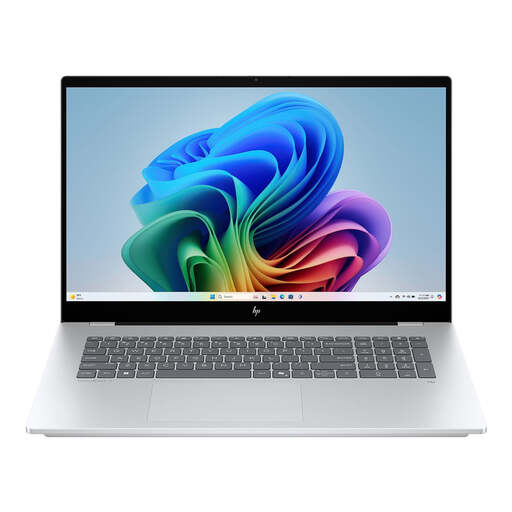 No image available
HP OmniBook 7 NG AI PC 17-dc0051nd D75LTEA#ABH
The built-in 17.3-inch screen could suit you if you prefer working at your desk on a larger laptop screen.
Windows 11; 16 GB memory; 512 GB SSD; 17.3-inch FHD IPS touchscreen. The charger is not included.
View at Joybuy
 No image available
HP OmniBook 3 14-hy0058ndx
This Windows configuration has a 14-inch screen. Its stated weight of around 1.42 kg may be worth considering if you move your laptop between workspaces.
Windows 11 Home; 8 GB memory; 512 GB SSD; 14-inch anti-glare IPS screen. This configuration is supplied without a charger.
View at Joybuy
 No image available
Lenovo IdeaPad Slim 3 15AHP10
The 15.3-inch anti-glare screen is worth considering if you prefer viewing documents on a larger built-in display; the stated weight is 1.59 kg.
Ryzen 7 8840HS; 16 GB memory; 512 GB SSD; 15.3-inch WUXGA IPS screen with a 16:10 aspect ratio. A charger is not included.
View at Joybuy
 No image available
ASUS Vivobook 18 M1807HA-S16512W
The 18.4-inch screen is for anyone who mainly works at a desk and wants a large built-in display; the stated weight is 2.60 kg.
Ryzen 7 260; 16 GB memory; 512 GB SSD; 18.4-inch anti-glare WUXGA IPS screen; Dutch QWERTY keyboard. A compatible 45–65 W USB-C charger is not included.
View at Joybuy
Frequently asked questions
Do I need a powerful processor to write a job application?
Not just for writing letters, emailing and basic office work. The Consumentenbond distinguishes between basic configurations for light tasks and computers for demanding work; above all, check that the programmes you need will run.
How can I submit my letter without changing its formatting?
If the job listing accepts PDFs, Microsoft says you can export a document from Word for the web as a PDF. Check the application instructions and review the exported file before sending it.
How can I set up a shared desk for a longer writing session?
Review your setup whenever you move to a different workstation; this is Arboportaal’s advice for people who work in different places. Arboportaal outlines requirements for employees who work at a screen for more than 2 hours a day, including that the screen and keyboard must not be attached to each other. This requirement for employees doesn’t automatically apply to every reader.
What if a laptop I bought online is faulty, or I change my mind?
According to the Authority for Consumers & Markets, the seller is responsible for the statutory guarantee if a product is faulty. When you buy a product online, you generally have up to 14 days after delivery to change your mind; check the applicable terms and exceptions.


