
Indexer working with multiple windows
Wants to see the recording, transcript and index while listening. Microsoft Support explains how to arrange Windows side by side; try the layout with your own programmes.


If you work with a recording, transcript and index side by side, start by considering screen space and testing your own window layout: a larger screen doesn’t guarantee that every programme will fit comfortably. Then choose storage, ports and portability based on where you process interviews, and check software compatibility and any arrangements for handling personal data in advance.
Wants to see the recording, transcript and index while listening. Microsoft Support explains how to arrange Windows side by side; try the layout with your own programmes.
Processes and organises interview files on the laptop, and considers access to the internal SSD and the ports required. Audacity requires fast, uninterrupted disc access for its software.
Processes interviews in different locations and weighs the laptop’s screen space against its portability and the possible use of an external monitor.
| What to consider | What to check before buying | Who will find this especially important? |
|---|---|---|
| Space for split-screen views | Check the screen size and resolution of the exact configuration, and test your own window layout. | If I want to follow the recording, transcript and index at the same time, I don’t want to keep switching between windows. Around 33% of consumers put usable split-screen views first. |
| Access to local files | Check the internal SSD and the ports you need for equipment and backup media. | When I edit interviews locally, I want to be able to open my recording files directly and reliably. Around 27% of consumers prioritise working with local files. |
| Working in different locations | Compare the weight of the exact configuration with its built-in screen space, and check the options for an external monitor. | If I take my laptop with me often, I’m looking for a practical balance between portability and enough screen space on the go. Around 20% of consumers name portability as their top selection criterion. |
| Handling interview data | Check how you will process data and what terms apply if you use an online service. | When interviews contain personal data, I want to understand in advance how the processing fits my situation and any agreements in place. Around 20% of consumers put the handling of personal data first. |
The stated screen size doesn’t tell you whether your transcript, index and audio window will all remain easy to read at the same time in your programmes.
Check both the screen size and resolution of the exact configuration, and try out your own window layout.
Audacity requires fast, uninterrupted disc access and warns that USB sticks and some external or network storage can be unreliable.
Check the storage requirements of your own software and test how you edit and save files locally.
A commercial warranty does not replace a consumer’s statutory rights when buying in the Netherlands.
Read the terms for the exact laptop and distinguish them from your statutory rights against the seller; ACM ConsuWijzer explains the statutory warranty.
The ThinkBook 16 G8 IAL 21SK00EBMH reviewed here is a Windows option with a 16-inch WUXGA screen for working with documents and local files.
The HP ProBook 4 G1iR 16-inch D5CY9AT#ABH is a Windows option if a large screen and business-friendly ports suit your workspace.
The 15-inch MacBook Air with M5 is a macOS option if your required software works with macOS and you’re looking for a larger built-in screen.
This Joybuy selection focuses on Windows laptops with built-in screen space for split-screen work and SSD storage for local interview files.
 Image unavailable
The 16-inch configuration may suit you if you’re looking for a built-in screen for your window layout; test beforehand to see whether your software works comfortably on it.
16 GB of memory, a 1 TB SSD and a stated screen resolution of 2560 × 1600 pixels. The product description says the charger must be purchased separately.
 Image unavailable
This 15-inch Windows configuration may suit you if you’re looking for screen space for multiple windows; check that it works with the indexing software you need.
16 GB of memory, a 512 GB SSD and a stated screen resolution of 2496 × 1664 pixels. The product description lists Windows 11 Pro.
 Image unavailable
This configuration may suit you if you process interviews locally and are looking for a 16-inch screen for your window layout.
16-inch WUXGA screen, 16 GB DDR5 memory, 512 GB SSD and an SD card reader. The product description also lists Windows 11 Pro.
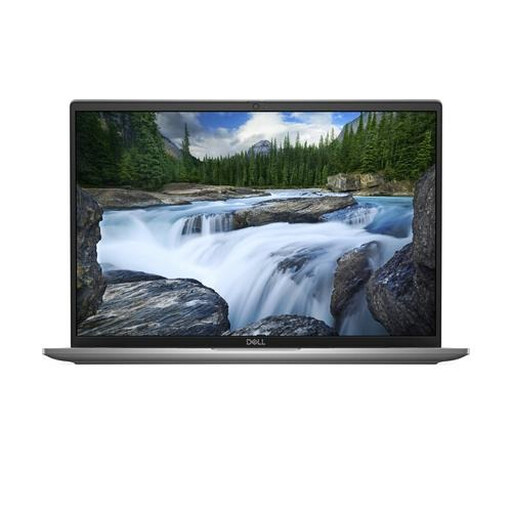 Image unavailable
This 16-inch Windows configuration may suit you if you want to use split-screen windows on the built-in display; try the layout with your own software.
WUXGA resolution of 1920 × 1200 pixels, 16 GB of memory, a 512 GB SSD, Thunderbolt 4 and Windows 11 Pro.
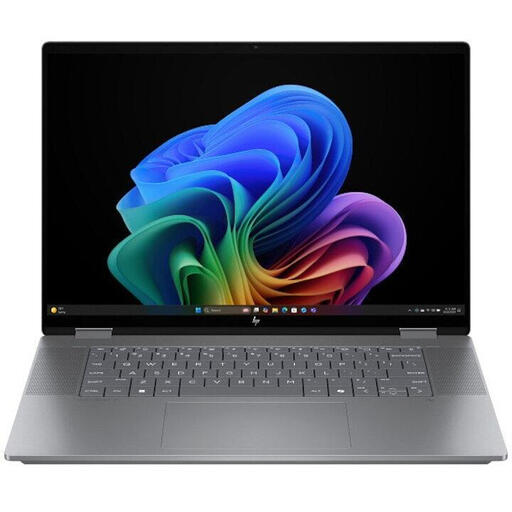 Image unavailable
This 16-inch Windows configuration may suit you if you’re looking for a built-in screen for multiple windows; check in advance that your own software works as expected.
24 GB of memory, a 1 TB SSD and a stated screen resolution of 2880 × 1800 pixels.
Windows lets you snap two windows side by side. Try the layout with your own audio, transcript and index programmes: the feature alone doesn’t tell you whether the content will remain easy to read.
If you use Audacity, it’s best to work with storage that provides fast, uninterrupted access. Audacity warns that USB sticks and some external or network storage can be unreliable; check the requirements for other software separately.
No, the statutory warranty isn’t always limited to two years. When you buy a laptop as a consumer, it must meet what you can reasonably expect under normal use. If it has a fault and doesn’t meet those expectations, the seller is your point of contact for an appropriate solution. ACM ConsuWijzer explains these statutory rights.
First, assess how the data will be processed and the circumstances of your interviews. According to the Dutch Data Protection Authority, collecting and using personal data requires a lawful basis under the GDPR; consent is one possible basis, but it isn’t automatically required. If you use a processor, the controller and processor must also set out the required arrangements in writing.