What should you look for?
Simple desktop or web app
Choose this approach if: you mainly need code, an editor, local documentation and local data storage. Microsoft lists modest system requirements for Visual Studio Code itself; check the requirements for your programming language, browser and other tools too.
The trade-off: an editor’s requirements don’t tell you how smoothly several additional tools will run at the same time.
Mobile app with an Android emulator
Choose this approach if: you want to use Android Studio and a local virtual device. Google Android Developers recommends at least 16 GB of RAM and 16 GB of storage for a good emulator experience.
The trade-off: a physical Android device can be an alternative for testing apps, but it won’t replace every virtual test configuration you might need.
Working on the move, with offline resources
Choose this approach if: you code in different places and want to save documentation locally in advance. The Python Software Foundation offers downloadable documentation archives.
The trade-off: a more compact model has less built-in screen space. Also check that your tools and documentation will work offline.
The percentages below show the main priority for each row; every consumer falls into one of these four priority groups.
| Buying concern |
What to look for |
Who should prioritise this? |
| Memory and local tools |
Work out which tools will run at the same time; check the RAM configuration and the emulator requirements if you plan to use one. |
If I test Android locally or use several development tools at once, I want to know what that combination requires. Around 29% of consumers put support for local development tools first. |
| Offline documentation |
Check whether documentation for your language and version can be downloaded, how much storage the files take up and whether the extensions you need are available locally. |
If I want to keep working without a network connection, I want to know in advance which documentation and tools need to be ready locally. Around 29% of consumers put offline resources first. |
| Screen, portability and ports |
Compare the size of the exact configuration and check that it has the ports you need for your monitor and peripherals. |
If I work in different places, I weigh portability against having enough screen space and the right connections. Around 21% of consumers prioritise portability. |
| Upgrades and included power supply |
Check which memory or storage slots are available on each configuration and whether a suitable power adapter is included. |
If I want to change my configuration later or know in advance what else I’ll need, I check the components and included accessories. Around 21% of consumers put upgrade options and service at the top of their list. |
Joybuy product picks
These laptops are suited to coding locally and storing documentation. Check that each model’s configuration works with your tools and any emulator you plan to use.
 No image available
HP OmniBook 7 AeroNGAI 13-bg1051nd NL Copilot+
A compact option to compare if you want to take locally stored files with you and work in different places.
This configuration lists 16 GB of RAM, a 512 GB SSD and a 13.3-inch screen.
The stated weight is 1.46 kg.
Joybuy
 No image available
ASUS ROG Strix G18 G814PM-S9012W
Consider this configuration if the listed memory and storage capacity are important for the local files and tools you’ll use.
The product name lists a Ryzen 9 8940HX processor and RTX 5060.
This configuration has 16 GB of DDR5 memory, a 1 TB SSD and an 18-inch screen.
Joybuy
 No image available
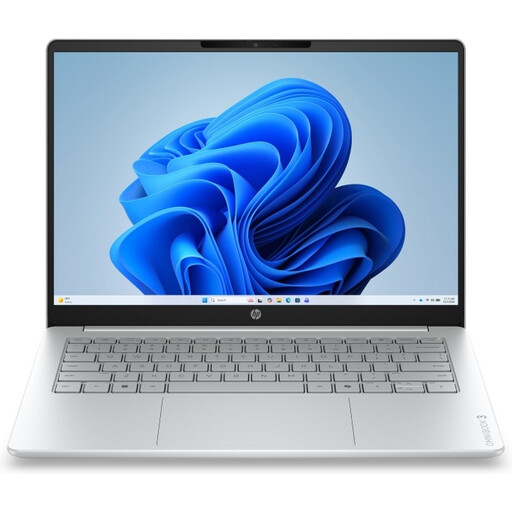
HP OmniBook 3 17-dp0050ndx
The 17.3-inch screen may appeal if you mainly work at home and want a larger built-in workspace.
This configuration lists 8 GB of onboard memory, a 512 GB SSD and a 17.3-inch Full HD IPS screen.
Google recommends at least 16 GB of RAM for a good Android emulator experience. This configuration is also listed without a power adapter.
Joybuy
 No image available
Thunderobot 16-inch laptop, i7-14700HX, RTX 5070
Factor in the listed memory and storage capacity when comparing laptops for local development tools and files.
This configuration lists 32 GB of RAM, a 1 TB SSD and a 16-inch IPS screen with a resolution of 2560 × 1600.
The product name lists a 240 Hz refresh rate.
Joybuy
 No image available
Auusda T161N, 16 GB DDR4, 1 TB SSD
The 16-inch screen may suit you if you prefer to view code and documentation on a larger built-in display.
This configuration lists an i3 1000NG4 processor, 16 GB of DDR4 memory and a 1 TB SSD.
According to the product description, the screen is a 16-inch Full HD IPS display.
Joybuy
Frequently asked questions
Does a laptop for this app need at least 16 GB of RAM?
Not just for the app and coding. Microsoft lists a lower recommendation for Visual Studio Code itself. If you use an Android emulator, Google recommends at least 16 GB of RAM for a good experience. Also consider the other tools you’ll be running at the same time.
How can I access documentation without an internet connection?
Before going offline, download the documentation for the language and version you use, then check that the local copy opens. For example, the Python Software Foundation offers downloadable documentation archives. Check separately how to make the extensions and other dependencies you need available locally.
Can I test Android apps without an emulator?
Yes. Google Android Developers lists a modern physical Android device as a way to test apps from Android Studio without an emulator. For specific virtual device configurations, consider whether you’ll still need an emulator.
What are the rules on warranties and online returns in the Netherlands?
Your legal guarantee is separate from the manufacturer’s warranty; what you can expect from a product depends on factors including the product itself and how you use it. According to the Dutch government, online consumer purchases from a business generally come with a 14-day cooling-off period where applicable. Check the terms and your situation as a buyer.
Which product safety rules apply when buying in the Netherlands?
Electrical and electronic equipment placed on the market must meet European safety requirements. Ondernemersplein, the Dutch government’s business information portal, explains that the CE marking and EU declaration of conformity are the manufacturer’s responsibility when the relevant requirements have been met. A product listing alone doesn’t confirm that a specific configuration complies with all the rules.


