Who is this laptop guide for?

Student analysing heat maps independently

As well as reading the research, you want to work locally with map layers or research data. The software specified by your course determines which operating systems and configurations are suitable. QGIS is available for Windows, macOS and Linux, among other platforms; Esri lists Windows as a supported operating system for ArcGIS Pro.

Evening reader of maps and reports

While studying, you compare maps, tables and notes on screen. Screen space and a comfortable keyboard matter more to you than maximum compactness.

Student who often takes their laptop with them

You study at home, in the library and on the go. Weight and the ability to work without a power socket matter too, as long as the software you need runs on the laptop.

What should you look for?

Windows laptop

A good fit if: your course specifies ArcGIS Pro or you need Windows software. Esri lists Windows for ArcGIS Pro; check the requirements for the version you plan to use too.

The trade-off: Windows alone doesn’t tell you whether a particular configuration can handle your GIS project, and screen size and weight vary between models.

MacBook

A good fit if: you use QGIS and writing software, and your course accepts macOS. QGIS is available for macOS.

The trade-off: ArcGIS Pro lists Windows, not macOS, as a supported operating system. What’s more, a quoted battery life figure isn’t a measure of how long your GIS session will last.

Chromebook

A good fit if: you mainly read, write and use web apps supported by your course.

The trade-off: check the exact apps and file workflow required by your course first. The QGIS download page doesn’t list a desktop version for ChromeOS; Google describes a workflow using OneDrive for Microsoft 365 files.

What to consider What should you check? Who should pay extra attention?
GIS compatibility and capacity Ask which exact application and version you’ll need. Check the operating system, memory, storage and other system requirements. I want to analyse map layers myself and make sure the required software works first. Around 33% of consumers put GIS software compatibility first.
Screen space for maps and reports Compare screen size, resolution and anti-glare properties. Check the keyboard on the model you’re considering too. I want to view maps, tables and text side by side without constantly switching between windows. Around 27% of consumers give screen space the highest priority.
Portability and working without a power socket Compare the weight of the exact model and the conditions behind any battery-life figures. Check whether a suitable charger is included. If I often move between study spaces, I want a laptop that’s easy to carry and lets me keep working. Around 20% of consumers put portability first.
Cost for basic tasks Before choosing a more basic model, check that its apps, storage and file workflow suit your assignment. If I mainly read, write and use suitable web apps, I don’t want to pay for features I don’t need. Around 20% of consumers prioritise affordable basics.

Common buying mistakes

  • Choosing a Chromebook before finding out which mapping software is required

    Available software varies by operating system. QGIS has desktop versions for Windows, macOS and Linux; Esri lists Windows for ArcGIS Pro.

    Ask which application and version your course requires, then check the system requirements.

    If your chosen laptop can’t run the software required for your assignment, you may still need another device or a remote working environment approved by your course.

  • Assuming the highest quoted battery life is guaranteed in everyday use

    Apple gives battery life figures for specific conditions, such as video streaming and wireless internet use. These aren’t the same as analysing maps locally.

    Check the conditions behind the battery life figures and weigh them against the laptop’s weight, your usage and your access to charging.

  • Confusing an extended warranty with your statutory rights

    A manufacturer’s warranty and your legal rights when a product doesn’t meet the terms of the agreement aren’t the same thing. According to the Dutch Government, there’s no fixed statutory warranty period in the Netherlands.

    Read exactly what an additional warranty package covers, and contact the seller if a product is faulty.

    A paid warranty package may partly duplicate cover you’re already entitled to.

Brands to compare

Lenovo

The IdeaPad Slim 3 range includes Windows models for documents and multitasking.

  • For model 82XQ00SHMH, Lenovo Netherlands lists 16 GB of soldered memory, 512 GB of SSD storage and a 15.6-inch anti-glare screen.
  • The memory is soldered in this model. Check the full model number and don’t assume you’ll be able to upgrade the memory later.

Apple

The MacBook Air with M5 is a macOS option for anyone using QGIS and writing software who values portability.

  • Apple lists 16 GB of memory, 512 GB of storage and a weight of 1.23 kg for the 13-inch base model.
  • ArcGIS Pro lists Windows as a supported operating system. Apple’s battery life figures depend on usage conditions and don’t necessarily predict how long a GIS session will last.

Acer

The Aspire 17 A17-51M-53T4 is a Windows model for anyone looking for a larger laptop.

  • Acer lists part number NX.KZVEH.00N for this model.
  • When comparing models, check the full model and part numbers; model names can look very similar.

ASUS

The Chromebook CM1402FM2A-EC0215 is a ChromeOS option, provided your school apps and file workflow are compatible.

  • Google explains how to edit Microsoft 365 files on a Chromebook using OneDrive.
  • Check that this workflow suits your course. The QGIS download page doesn’t list a standard desktop download for ChromeOS.

HP

HP positions the OmniBook 5 for families and students, and the OmniBook 7 for more demanding use.

  • This range positioning can help you find models to compare more closely.
  • Range positioning isn’t based on measured comparisons and doesn’t confirm that every model is suitable for a GIS project. Check the full model and configuration.

Joybuy laptops for studying and working with maps

This Joybuy selection includes MacBook and Windows laptops for reading maps and reports, studying and working with maps locally. Check that the operating system is compatible with the software required by your course.

Apple MacBook Air 15-inch M5, 16 GB, 512 GB, Starlight, 2026, QWERTY

Apple MacBook Air 15-inch M5, 16 GB, 512 GB, Starlight (2026), QWERTY

The 15.3-inch screen gives you room to view maps, reports and notes.

16 GB of memory and 512 GB of storage. ArcGIS Pro lists Windows as a supported operating system, so don’t choose this MacBook if your course requires ArcGIS Pro.

A USB-C adapter of 35 W or more isn’t included.

Joybuy
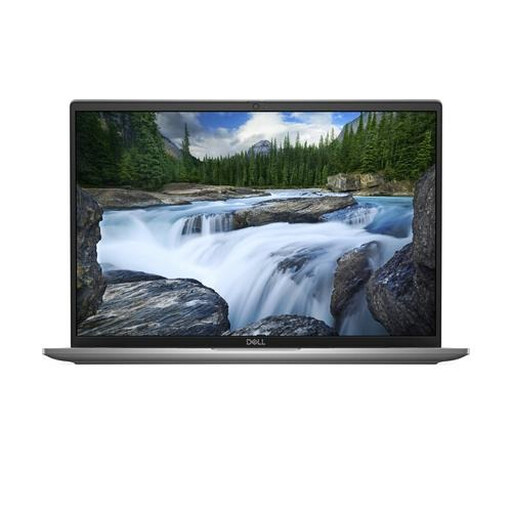
Dell Latitude 7650 with Intel Core Ultra 7 155U, 16-inch, 16 GB, 512 GB SSD, Windows 11 Pro, QWERTY

Dell Latitude 7650, Intel Core Ultra 7 155U, 16 GB, 512 GB SSD

A Windows laptop to consider if your course requires Windows software and you’d like more screen space when reviewing your work.

16-inch Full HD+, 16 GB LPDDR5x memory, 512 GB SSD and Windows 11 Pro.

Joybuy

Lenovo IdeaPad Slim 3 14AHP10 R7, 16G, 512G, 11H, Qwerty

Lenovo IdeaPad Slim 3 14AHP10 R7, 16G, 512G, 11H

This configuration is worth comparing if you’re looking for a Windows laptop for studying and carrying between study spaces.

16G memory, 512G storage and 11H, as stated in the product name.

Joybuy
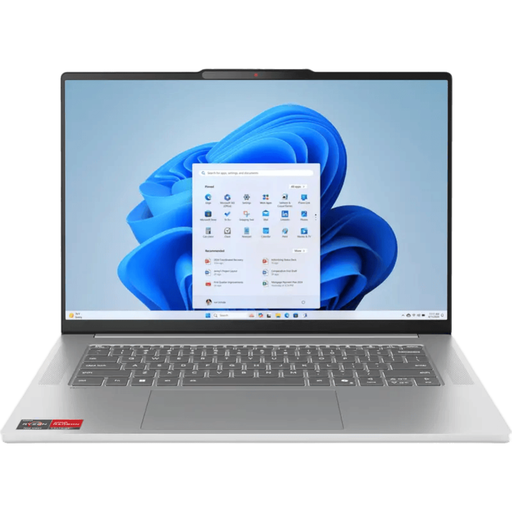
Lenovo IdeaPad Slim 5 15ARP10 R7, 16G, 512G, 11H, Qwerty

Lenovo IdeaPad Slim 5 15ARP10 R7, 16G, 512G, 11H

This Windows model is designed for anyone who wants to use study programmes and files on a laptop; check which software version you need.

16G memory and 512G storage, as stated in the product name.

A compatible charger must be purchased separately.

Joybuy

ASUS Vivobook 18 M1807HA-S16512W, 18.4-inch, Ryzen 7 260, 16 GB, 512 GB SSD, blue, QWERTY

ASUS Vivobook 18 M1807HA-S16512W, Ryzen 7 260, 16 GB, 512 GB SSD

The 18.4-inch screen gives you plenty of room to review your work at a desk, but its quoted weight makes this laptop less practical to carry around often.

WUXGA screen, Ryzen 7 260, 16 GB of memory and 512 GB SSD.

The laptop weighs 2.60 kg. A compatible 45–65 W USB-C Power Delivery charger isn’t included.

Joybuy

Frequently asked questions

Do I need a Windows laptop for this heat research?

Only if your assignment requires software that needs Windows, such as ArcGIS Pro. Esri lists supported Windows operating systems for ArcGIS Pro 3.7; QGIS is also available for macOS and Linux. Ask your course which exact application and version you need before choosing.

Can I edit Office files on a Chromebook?

Yes, using the workflow Google describes for Microsoft 365 on a Chromebook, which requires OneDrive. Check that this workflow complies with your course’s file-handling and privacy rules.

What are the rules on warranties and online returns in the Netherlands?

For a consumer purchase, the seller must offer a solution if the product doesn’t meet the agreement, according to the Dutch Government. There’s no fixed statutory warranty period in the Netherlands. For online purchases from a business, you’ll usually have 14 days to change your mind, subject to applicable conditions and exceptions. Check these before you buy.

Does a laptop in the Netherlands have to charge via USB-C?

Since 28 April 2026, EU rules on a common charging solution have also applied to laptops covered by the regulation that are placed on the EU market for the first time on or after that date. This doesn’t mean that devices placed on the EU market earlier have to be thrown away. For a specific device, check the charging information and required power; don’t rely on the shape of a USB-C port alone.

What if the heat research includes data that could identify individuals?

Data that can be linked to an individual, directly or indirectly, counts as personal data. Follow your course’s security and storage rules when processing it. The Dutch Data Protection Authority lists access restrictions, updates, backups and encryption among possible measures; choosing a laptop in general doesn’t replace that assessment.
