
Transcribing inscriptions at home
You read photos of gravestones and enter names or dates, often with the source image and data-entry fields side by side. Geneanet describes viewing indexed names when working with photos.


If you mostly work from home with a photo beside the data-entry screen, look for plenty of screen space and a comfortable keyboard. If you regularly take your laptop with you, consider its size and ports too. Decide in advance where you’ll store your index and source files, then test whether links still work after moving a test folder: Microsoft Support explains that a link will return an error if the specified file path doesn’t exist.
You read photos of gravestones and enter names or dates, often with the source image and data-entry fields side by side. Geneanet describes viewing indexed names when working with photos.
You take photos in or around a cemetery and work on them later, so carrying and transferring images are factors in your choice. Geneanet has described both uploading photos from a computer and indexing existing photos.
You keep your index, photos and documents together, and want file links and backups to remain accessible when you move folders. Microsoft Support explains how to include folders in backups.
Geneanet describes indexing photos and names. When working with linked files, it’s also important to organise folders and backups carefully, as Microsoft Support explains.
| What to consider | What should you look for? | Which consumers? |
|---|---|---|
| Photos and data-entry fields | Compare the screen on the exact configuration and check whether you can comfortably read the photo and data-entry fields at the same time. | If I’m transcribing inscriptions from photos, I want to be able to compare the image and the details I’m entering clearly. Around 33% of consumers prioritise screen space. |
| File links | Move a test folder containing the index and source photos together, then check that the links still open. Include the folders you use in your backup. | If I want to open my index later with the relevant photos, the links must still work after copying or restoring the files. Around 27% of consumers prioritise keeping their source files safe. |
| Portability | If you use your laptop in different places, compare the weight and screen size of the exact configuration. | If I work with photos in several locations, I want to be able to take my laptop with me without carrying unnecessarily bulky equipment. Around 20% of consumers prioritise portability. |
| Software and ports | Check that your indexing software works with the operating system and that the laptop has the card and USB ports you need. | If I want to keep using my existing software and photo equipment, I want to know in advance whether they’ll work with the laptop. Around 20% of consumers prioritise software and ports. |
A link to a file won’t work if the specified path doesn’t exist. Extra storage won’t restore the path automatically.
Before switching, test a small index with its source folder. Copy them together, then open a few links from the new location.
Restoring links and reorganising files takes time.
Screens, memory and ports can vary between configurations, so the series name alone won’t tell you what a specific model includes.
Compare the full model code, screen, memory and ports of the configuration you’re considering.
A commercial warranty is separate from your statutory rights if a product doesn’t meet reasonable expectations.
Check what cover an additional warranty product provides, and keep it separate from your statutory rights.
The IdeaPad Slim 3 14AHP10 is an example of a compact Windows laptop. Lenovo’s product specifications list USB-A, USB-C, HDMI and an SD card reader.
The Dutch HP ProBook 4 G1i configuration, A23QQEA#ABH, is an example of a laptop with a larger screen. HP lists a 16-inch WUXGA touchscreen, 16 GB RAM and a 512 GB SSD for this configuration.
The 13-inch MacBook Air with M5 is a compact macOS option for anyone whose indexing software works with that operating system. Apple lists a 13.6-inch display and two Thunderbolt 4 ports.
These Joybuy product picks focus on larger Windows laptops for a fixed workstation, where you want to view source photos and index fields side by side.
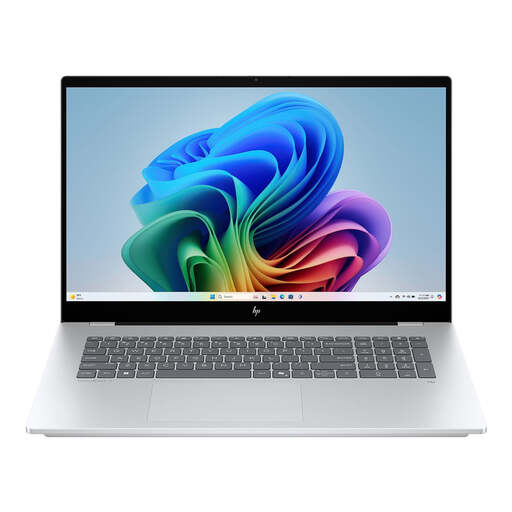 No image available
The 17.3-inch configuration suits a fixed workstation where you want to view source photos and data-entry fields side by side.
17.3-inch FHD IPS touchscreen; Intel Core Ultra 5 226V; 16 GB RAM; 512 GB SSD. Charger sold separately.
 No image available
The 16-inch screen may suit comparing photos and index fields at a fixed workstation.
16-inch WUXGA touchscreen with a 16:10 aspect ratio; Thunderbolt 4 and two USB-A ports. No HDMI port; Thunderbolt 4 can be used to connect an external display. Charger sold separately.
 No image available
This 16-inch configuration is designed for anyone who wants to view photos and data-entry fields at one workstation.
16-inch WUXGA OLED display; Snapdragon X processor; 16 GB LPDDR5X; 512 GB SSD; Windows 11 Home.
 No image available
The 16-inch screen may suit transcription work where you want to view source images and data-entry fields side by side.
16-inch QHD+ OLED display, 2560 × 1600 and 240 Hz; 16 GB DDR5; 1 TB SSD; Windows 11 Home.
 No image available
The SD card reader may be useful if you want to transfer photos from a card and then index them at a fixed workstation.
16-inch WUXGA IPS display; Intel Core Ultra 5 135H; 16 GB DDR5; 512 GB SSD; SD card reader, USB-A, USB-C and HDMI.
No, you don’t. Choose a storage and backup system that suits your project. If you use local file links, check that they still open after moving or restoring files, and that your backup includes the source folders you use.
Yes, if your workflow and software support this. Geneanet has described both uploading photos from a computer and indexing existing photos. Check which features the service you use offers for your project.
First, check that the specific indexing programme you use works with the operating system you’re considering. Also try an index with linked source files, and check that you can connect the equipment you use, such as an SD card or USB device.
ACM ConsuWijzer states that online consumer purchases generally come with a statutory 14-day cooling-off period after delivery, subject to legal exceptions. This is separate from your statutory rights if a product doesn’t meet reasonable expectations; an additional commercial warranty doesn’t replace those rights.
Don’t assume that you can. The Dutch Data Protection Authority states that information about deceased people is not, in itself, personal data under the GDPR, but a photo or note may also identify living people. Check the circumstances and the terms of the cemetery or publishing platform.