
Student using prescribed analysis software
You need to be able to use the programmes and files required by your course. So, before choosing Windows or macOS, check which software and version you need.


Start with the software and files your course uses, then choose a screen size that suits how often you view results and text side by side, or take your laptop with you. The Dutch Consumers' Association says 8 GB is enough for light use, while 16 GB is preferable if you use several programmes at once. Also check the ports and anything else you might need for your workspace.
You need to be able to use the programmes and files required by your course. So, before choosing Windows or macOS, check which software and version you need.
You often view results, charts and a report side by side, and weigh up the space on the built-in screen against the option of using an external monitor.
You also work away from your room, so you’ll want to consider the size and portability as well as the space the screen gives you for your files.
First, check that the laptop can run the software you need. Then decide how much screen space you want and how often you’ll be carrying it around. The percentages offer a general indication of the priorities consumers in this situation may put first.
| What to consider | What to look for | Who might prioritise this? |
|---|---|---|
| Software compatibility | Check the programme name, version, file format and any processor architecture requirements. | If your course specifies particular software, you’ll want to make sure it works on your laptop. Around 31% of consumers put software compatibility first. Check which Excel features are available in each version, and ask about the requirements for your version of SPSS. |
| Space for spreadsheets | Try viewing one of your own spreadsheets alongside a report on the screen you’re considering. If needed, check that it has video output for an external monitor. | If you often work with results and text at the same time in your room, the built-in screen space may matter more than a compact design. Around 25% of consumers prioritise space for spreadsheets and text. |
| Portability | Compare the dimensions and weight of the exact model, and treat battery-life information as a guide rather than a guarantee of how long it will last for you. | If you often take your laptop to lectures, you’ll want it to be easy to carry without compromising your usual way of working unnecessarily. Around 19% of consumers give portability top priority. |
| Total cost | Check whether you can access software through your course and whether you’ll need an adapter or external monitor for your set-up. | If you want to keep track of the cost of your entire workspace, look beyond the laptop itself. Around 13% of consumers prioritise total cost. |
| Data security | Find out whether your survey file contains personal data and what storage and access rules apply to your research. | If your files contain personal data, you’ll want to be able to use appropriate security measures. Around 12% of consumers prioritise data protection. |
Excel features vary between versions, and the processor architecture can also matter for some programmes.
Ask your course which software version and file formats you need, and whether there are any processor requirements. Then check these against the exact model you’re thinking of buying.
A larger screen gives you more space built in, while a smaller one may be easier to carry around. The right balance depends on how you use your laptop.
Try viewing your own results and report side by side, and think about how often you’ll take your laptop from your room to lectures.
In the Netherlands, your statutory rights are separate from any manufacturer’s warranty.
Read the additional terms and conditions for any extended warranty, and check what’s included with the specific order.
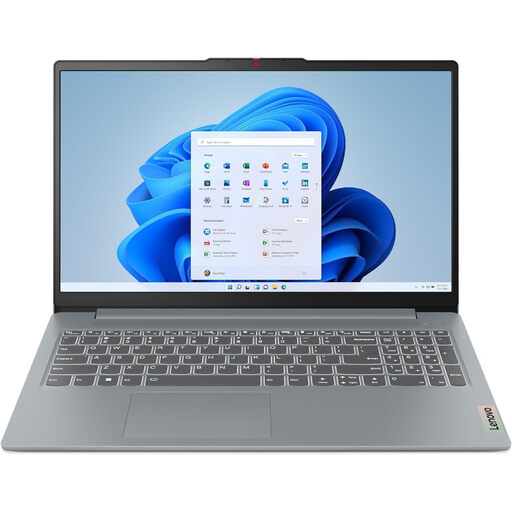
The IdeaPad Slim 5 15ARP10 is a larger Windows option to consider if you often work with spreadsheets in one place.
The HP OmniBook 5 Flip 14-fp0605ndx is a compact Windows 2-in-1 to consider if a touchscreen or convertible design suits the way you work.
The 13-inch MacBook Air with M5 is a compact macOS option, provided your course software works with the model you choose.
These Joybuy picks have screens ranging from 15.3 to 16 inches, making them worth considering if you want built-in space for spreadsheets and text in your student room. Also check the weight if you’ll be carrying your laptop around often.
 No image available
A 15.3-inch screen gives you built-in space for results and text in your student room.
WUXGA screen with a 16:10 aspect ratio and IPS; 16 GB memory; 512 GB SSD; QWERTY keyboard. The charger must be purchased separately.
The product description lists HDMI, USB-C with DisplayPort and an SD card reader.
 No image available
The 16-inch screen is an option if you want more built-in space for your files when working in one place.
WUXGA screen with a 16:10 aspect ratio and 16 GB memory. The stated weight is approximately 1.95 kg.
The product description lists HDMI and USB-C with video output.
 No image available
The 15.3-inch screen may suit you if you want to view a spreadsheet and report side by side in your room.
WUXGA screen with a 16:10 aspect ratio, anti-glare IPS, 16 GB memory and 512 GB SSD.
The product description lists HDMI, USB-C with DisplayPort and an SD card reader.
 No image available
This model has a 15.6-inch screen for students who want workspace on the built-in display in their room.
Full HD screen with 144 Hz, 16 GB memory and 512 GB SSD.
The product description lists HDMI and USB-C.
 No image available
The 16-inch screen is designed for anyone who wants more built-in space for spreadsheets and text when working in one place.
QHD screen, 16 GB memory and 1 TB SSD.
The product description lists HDMI, Mini DisplayPort and USB-C.
No, not for every kind of use. The Dutch Consumers' Association says 8 GB is enough for light use, and recommends 16 GB if you use several programmes at once. Also consider the files and software required by your course.
If you often view a spreadsheet and report at the same time, a larger built-in screen can make it easier to have them side by side. If you regularly take your laptop with you, weigh up that extra screen space against the size and weight of the specific model.
Don’t assume they will without checking: features and requirements can vary by software version and model. Ask your course which exact programmes and file formats you need, check any processor requirements, and confirm with your course and IBM how SPSS will work.
If the files contain personal data, check with your course which rules apply. The Dutch Data Protection Authority lists updates, backups, access controls and encryption as possible measures. Which ones are suitable will depend on how the data is being processed.
For online purchases, you’ll often have a 14-day cooling-off period. The Dutch government notes that there are exceptions, so check which terms apply to your order.