
Writer with lots of scenes
You want to organise episodes, scenes and background notes, and find them again quickly. Literature & Latte describes project overviews in Scrivener; Google Docs Editors Help explains document outlines and tabs.


Choose your writing app first, then check that it works with your operating system. Scrivener offers project overviews on Windows and macOS, while Google Docs lets you organise sections using headings, outlines and tabs. Next, compare the keyboard, screen space and portability. For mainly text-based work, more powerful hardware isn’t automatically more useful. The laptop that feels comfortable to type on also depends on your own preferences.
You want to organise episodes, scenes and background notes, and find them again quickly. Literature & Latte describes project overviews in Scrivener; Google Docs Editors Help explains document outlines and tabs.
You often write for extended periods and want to assess the keyboard and screen for yourself. The Consumentenbond and Lenovo recommend considering how you’ll use a laptop, including for writing.
You take your manuscript with you and weigh portability and offline file access against the screen space you need. The Consumentenbond recommends starting with how you’ll use the laptop; Google Docs Editors Help explains offline access.
Best for: anyone who wants to use Scrivener for scenes and project overviews, or navigate Word using heading styles.
Check: Scrivener 3 for Windows requires 64-bit Windows 10 or later. Also check the specific configuration and keyboard layout. (Literature & Latte)
Best for: anyone who wants to work on macOS and use Scrivener.
Check: make sure the software’s macOS requirements are met, and decide for yourself whether the keyboard and screen suit your writing space. (Literature & Latte)
Best for: anyone who mainly writes in Google Docs and organises sections using headings, outlines or tabs. (Google Docs Editors Help)
Check: Scrivener desktop licences list Windows and macOS, not ChromeOS. Set up offline access in Google Docs in advance if you want to write without an internet connection. (Literature & Latte; Google Docs Editors Help)
| What to consider | What should you check? | Who should pay extra attention? |
|---|---|---|
| Outlines and software | Choose between Scrivener, Word heading styles, and outlines or tabs in Google Docs; then check the system requirements. (Literature & Latte; Google Docs Editors Help; Microsoft Support) | If I want to organise lots of scenes and episodes, I want to be able to jump back to the right section quickly. Around 33% of consumers prioritise organising and finding scenes. |
| Typing and reading | Assess the keyboard layout and key feel, and see how well text and notes fit side by side on screen. | If I write for long stretches, I want the keyboard and screen to suit the way I work. Around 27% of consumers put typing and reading comfort first. |
| Working on the go | Weigh the size and weight of the exact configuration against the space you need for your manuscript and outline; check offline access in your writing app. | If I write in different places, I want to take my manuscript with me and carry on working offline if needed. Around 20% of consumers prioritise portability and offline access. |
| Back-ups and recovery | Check how to save and restore versions; don’t assume syncing is the same as a separate back-up. (Literature & Latte) | If I’m working on an ongoing series, I want to be able to find earlier versions in case I need to restore something. Around 20% of consumers prioritise keeping their manuscript safe. |
Scrivener desktop licences list Windows and macOS, while Google Docs offers its own way to organise sections. If you specifically want to use Scrivener as a desktop program, you may need a different computer or way of working.
First, create a sample outline for your series in the app you’re considering, then check the system requirements.
Memory, screen and keyboard can vary between configurations. Lenovo lists soldered memory with no memory slots for the IdeaPad Slim 3 14AMN8.
Check the full model number and the specifications of the configuration on offer.
Cloud services can handle Scrivener projects in different ways. Without a usable earlier version, restoring your work could take time or you could lose it.
Set up a separate back-up routine and try restoring an older version in advance. (Literature & Latte)
The Chromebook Plus 514 CB514-4HT-36BJ is a specific example for a Google Docs-based workflow.
The IdeaPad Slim 3 14AMN8 is an example of a Windows-based setup; the range includes several configurations.
The 13-inch MacBook Air with M5 is a macOS option for anyone looking for a compact writing setup and access to Scrivener for macOS.
The Vivobook 14 X1404 range includes Windows configurations for text-based work, with a compact screen size.
These Joybuy options suit Windows and macOS workflows for writing software. Also compare the screen size and keyboard layout with your writing space.
 Image unavailable
This configuration is included for a Windows-based workflow; check that your chosen writing software is compatible with your setup.
The power adapter isn’t included. The product information specifies a separate USB-C PD charger rated at least 45 W.
 Image unavailable
A macOS configuration for anyone who wants to use Scrivener on macOS and is looking for a 13-inch model.
16 GB of memory; 512 GB of storage; QWERTY keyboard.
 Image unavailable
A macOS configuration for anyone who wants to use Scrivener on macOS and needs more screen space alongside their notes.
16 GB of memory; 512 GB of storage; QWERTY keyboard. The power adapter isn’t included; the product information specifies a USB-C adapter rated 35 W or higher.
 Image unavailable
This configuration is included for a Windows-based workflow; check your writing software’s system requirements before choosing.
16 GB of memory; 512 GB of storage; QWERTY keyboard.
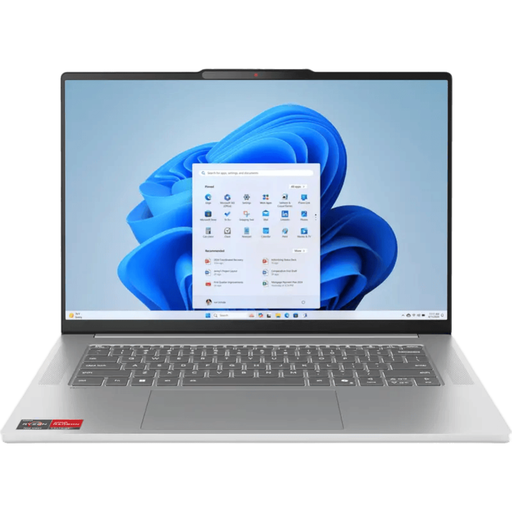 Image unavailable
This configuration is included for a Windows-based workflow; compare the screen space with your writing setup and check your writing software’s requirements.
16 GB of memory; 512 GB of storage; QWERTY keyboard. The power adapter isn’t included.
No, it’s not the only option. Scrivener offers a project overview, Word lets you navigate a document using heading styles, and Google Docs has headings, a document outline and tabs. Choose the workflow you want to use before deciding on an operating system.
Yes, if you’ve set up offline access in advance and made the files you need available. Google Docs Editors Help explains how to enable offline access; try out the workflow on the device you plan to use, too.
Don’t automatically assume that syncing is the same as a separate back-up. Literature & Latte explains that cloud services handle Scrivener projects in different ways; check how to make copies and restore an earlier version.
For an online purchase by a consumer in the Netherlands, you generally have a statutory cooling-off period that ends 14 days after delivery, according to ACM ConsuWijzer. Check the applicable terms and exceptions. You’re also entitled to a product that meets what you can reasonably expect; the seller is your point of contact for this. A manufacturer’s warranty doesn’t replace this statutory right.