Who is this choice relevant to?

Train traveller searching online archives

Searches online for people and documents during the journey, and wants to carry on with prepared notes if the connection drops. NS offers Wi-Fi on almost all Intercity trains; the CBG describes its online collections and central search platform.

Reader of old records and scans

Compares documents with a family tree and wants to read and record sources clearly. The CBG highlights the importance of preparation and citing sources in genealogical research.

Researcher with a local family tree file

Wants to organise and edit information on the go using desktop software. Gramps supports Windows, macOS and Linux; the CBG highlights the importance of citing sources.

What should you look for?

Compact Windows laptop

A good fit if: your genealogy software runs on Windows and you want a 14-inch screen and ports for local files.

Bear in mind: the Lenovo IdeaPad Slim 5 configuration we looked at has a glossy OLED screen, so you may encounter reflections depending on where you sit.

Lightweight 14-inch laptop

A good fit if: portability matters more to you than a larger screen; ASUS lists the weight of the Vivobook S 14 configuration we looked at as 1,3 kg.

Bear in mind: ASUS’s maximum quoted battery life isn’t a measure of how long it will last while researching your family tree on a train. Check the exact configuration and screen specifications.

MacBook Air with macOS

A good fit if: your genealogy software runs on macOS; Gramps supports macOS, Windows and Linux.

Bear in mind: the 13-inch M5 configuration we looked at has two Thunderbolt 4/USB-C ports. Check whether you’ll need an adapter for existing storage devices or other equipment.

What to consider What should you check? Who is this important for?
Working without a connection Check the battery and charging options for the exact configuration. Save permitted documents and notes locally in advance, and test whether your workflow works without Wi-Fi. If I want to carry on during a journey when Wi-Fi drops, I prioritise locally saved files and enough battery reserve. Around 31% of consumers list working without a reliable connection or power supply as their main concern.
Reading scans and notes Check the screen size, resolution and finish of the exact configuration, with a document and notes open side by side. When reading old records, I want to be able to compare the text and source references clearly. Around 25% of consumers prioritise enough screen space for documents and notes.
Taking it on the go Compare the stated weight and dimensions of the exact configuration; include your bag and any charger in your decision too. If I carry my laptop regularly between home, the station and the train, ease of handling matters a lot. Around 25% of consumers make portability their top priority.
Local files and software Check your software’s system requirements, how to transfer existing files, available storage and ports. Make a usable backup before switching. To update my existing family tree file, I want to know whether my software and files will continue to work on the laptop. Around 19% of consumers prioritise software and file compatibility.

Common buying mistakes

  • Assuming maximum battery life is guaranteed working time

    Manufacturer figures depend on test conditions and usage. Online searches, screen settings and local software can affect your battery life differently from the test conditions.

    Compare quoted figures only with their testing conditions in mind, and don’t automatically count on Wi-Fi or a place to charge during a long journey.

  • Assuming every configuration in a range is the same

    The screen, ports and other features can vary between full model numbers. This matters when reading scans and using existing equipment.

    Before buying, check the full model number, screen finish and ports.

    You may need an adapter or a different configuration for certain equipment.

  • Confusing the manufacturer’s warranty with all your statutory rights

    ACM ConsuWijzer distinguishes between a warranty from the manufacturer or seller and your statutory claim against the seller.

    Check the warranty terms and assess any fault in light of your statutory rights too.

Brands to consider

Lenovo

The IdeaPad Slim 5 14AKP10 is a Windows option we looked at, with a 14-inch screen. Check the configuration using its full model number.

  • Lenovo PSREF lists 16 GB of memory and a 512 GB SSD for the Benelux configuration 83HX00DAMH. The product listing we looked at mentions a microSD reader and a glossy OLED screen.
  • These are features of the configuration listed, not the result of an independent performance test; a glossy screen may reflect light.

ASUS

The Vivobook S 14 OLED S5406SA is a 14-inch option for anyone looking for a laptop that’s easy to carry.

  • ASUS lists the weight of the configuration we looked at as 1,3 kg.
  • ASUS’s quoted maximum battery life isn’t a measured figure for researching your family tree on a train. Specifications can vary between configurations.

Apple

The 13-inch MacBook Air with M5 is a macOS option if the genealogy software you use works on it.

  • Apple lists 16 GB of memory, a 512 GB SSD and two Thunderbolt 4/USB-C ports for the base configuration we looked at.
  • Apple states maximum battery life under its own test conditions. You may need an adapter for existing equipment.

HP

The Dutch OmniBook 5 range includes 14-inch laptops and a 14-inch Flip with different screen positions.

  • HP describes several processor and screen options across the range.
  • Check the specifications for each Dutch configuration; features listed for the range don’t necessarily tell you which components an individual model has.

Laptops at Joybuy for research on the go

This selection features Windows laptops for working with local files on the go. Check that your genealogy software and peripherals are compatible with the exact model.

ASUS Zenbook A14 UX3407QA-QD479W, 14-inch laptop

ASUS Zenbook A14 UX3407QA-QD479W

This 14-inch configuration weighs around 0,98 kg, which is worth considering if you carry your laptop around often.

Windows 11, 16 GB of memory, a 512 GB SSD and a WUXGA OLED screen.

The stated battery capacity is 70 Wh. A compatible 65 W USB-C-PD charger is not included. Compatibility with older or specialist software, drivers and peripherals may vary with Windows on Snapdragon.

View at Joybuy
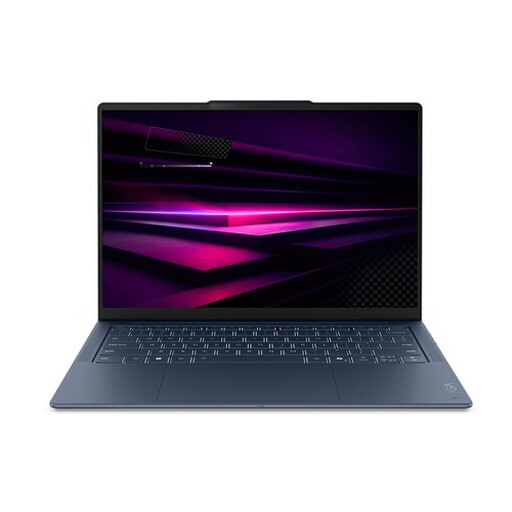
Lenovo Yoga Slim 7 14Q8Y11 Copilot+ PC

Lenovo Yoga Slim 7 14Q8Y11 Copilot+ PC

This 14-inch configuration weighs around 1,17 kg, making weight worth comparing if you carry your laptop around often.

Windows 11, 16 GB of memory, a 512 GB SSD, a WUXGA OLED screen and three USB4 ports.

The stated battery capacity is 70 Wh. The screen has a glossy finish, so bear in mind that it may reflect light.

View at Joybuy

Lenovo IdeaPad Slim 3 14AHP10 laptop

Lenovo IdeaPad Slim 3 14AHP10

This 14-inch Windows laptop has an SD card reader and a 1 TB SSD for managing files locally.

AMD Ryzen 7 8840HS, 16 GB of memory, a WUXGA IPS screen and a QWERTY keyboard.

The stated battery capacity is 50 Wh and the weight is around 1,39 kg. Capacity alone doesn’t indicate a fixed battery life.

View at Joybuy

HP OmniBook 3 14-hy0058ndx laptop

HP OmniBook 3 14-hy0058ndx

The 14-inch anti-glare screen with a resolution of 1920 × 1200 is useful if you want to read documents on the go.

AMD Ryzen 5 7520U, Windows 11 Home, 8 GB of memory and a 512 GB SSD.

The 8 GB of memory cannot be upgraded. The stated battery capacity is 41 Wh and the weight is around 1,42 kg. A charger is not included.

View at Joybuy
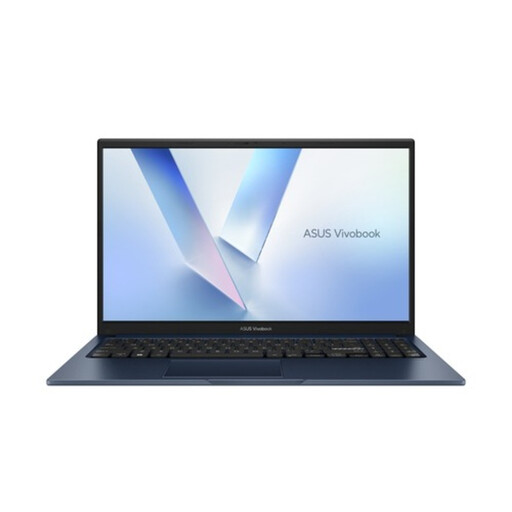
ASUS Vivobook 15 X1504MA-BQ534W laptop

ASUS Vivobook 15 X1504MA-BQ534W

The 15,6-inch Full HD screen gives you more screen space; the stated weight is around 1,70 kg.

Windows 11, Core 5 320, 8 GB of memory and a 256 GB SSD.

The stated battery capacity is 42 Wh. Compare the screen size and weight with the space you have available during your journey.

View at Joybuy

Frequently asked questions

Can I always rely on train Wi-Fi for online archive research?

No. NS says free Wi-Fi is available on almost all Intercity trains, but this doesn’t guarantee a connection on every train or throughout your journey. If you want to carry on offline, save any documents you’re allowed to download and your notes locally in advance.

Do I need to choose Windows for a local family tree programme?

Not before you know which programme you use. According to the Gramps Project, Gramps runs on Windows, macOS and Linux. For other software, check the system requirements and whether you can transfer your existing family tree file.

How can I avoid losing my research?

Keep a separate backup of your family tree file and source notes, and check that the local files you need open before you leave. The Gramps Project recommends making a backup before a software upgrade; the CBG highlights the importance of citing sources in genealogical research.

What are my rights if a laptop I bought online doesn’t work properly?

According to ACM ConsuWijzer, the seller is responsible for the statutory guarantee if a product doesn’t do what you could reasonably expect under normal use. For online sales, the ACM generally allows a cooling-off period of up to and including 14 days after delivery; terms and statutory exceptions may apply to your purchase.

Can I simply add personal details about living family members to a public family tree?

Don’t assume you can. The Dutch Data Protection Authority says that consent is required in most cases to publish personal data online. Check who can view your family tree and get consent where necessary.
