
Archive scan researcher
You read records and scans, make notes and switch between documents. Screen space and readability may matter more than a compact size.


Choose an operating system based on the genealogy software you actually want to use: Gramps offers downloads for Windows and macOS, while a Chromebook is best suited to research on compatible websites and web apps. If you spend a lot of time at a desk looking at scans, a larger built-in screen could be useful. If you often take your laptop with you, weigh this against its size and weight. Before choosing a storage capacity, work out how many scans you plan to keep on your device.
You read records and scans, make notes and switch between documents. Screen space and readability may matter more than a compact size.
You also want to organise and save your data in genealogy software. So first check that the programmes you need work with the laptop’s operating system.
You do research in your room, but also take the same laptop to other study spaces. In that case, it’s important to weigh up built-in screen space, size and weight.
A good fit if: you want to use a local Windows programme such as Gramps, or need plenty of screen space for scans and notes.
The trade-off: check the requirements of the software you plan to use; a larger built-in screen may be less convenient to carry around.
A good fit if: you want a compact laptop to take with you and the programmes you need are available for macOS.
The trade-off: check the generation, configuration and available storage of the exact model you’re considering.
A good fit if: most of your research is done on websites and web apps, and these work on the device you choose.
The trade-off: don’t assume you can install the desktop programme you want in the usual way; also check offline access and storage.
| What to consider | What should you check? | Who is this most relevant to? |
|---|---|---|
| Software compatibility | Make a note of the programmes you want to use and check the supported operating system and required version for each one. | If I want to organise data in a local family tree programme, it needs to work on my laptop. Around 31% of consumers prioritise compatibility with genealogy software. |
| Reading scans and notes | Compare the screen size, resolution and finish of the exact model; also consider whether you want to connect an external screen. | When comparing records and scans alongside my notes, having enough readable screen space matters a lot. Around 31% of consumers give reading scans and notes top priority. |
| Taking your laptop to study spaces | Compare the weight and size of the complete model, and check the conditions under which the stated battery life was measured. | If I take my laptop with me regularly, I want it to be manageable without having to compromise on how I work. Around 23% of consumers prioritise portability. |
| Storing research files | Estimate how much material you’ll keep on your device, check the SSD capacity and RAM, and plan a separate backup. | If I want to keep lots of scans on my device, I want to know in advance how much space my files will take up and how I’ll back them up. Around 15% of consumers prioritise local storage for research files. |
The screen, memory, storage and ports can vary between configurations. So don’t compare products based on the range name alone.
Check the full model code and the specifications of the version you want to order.
Researching in a browser and installing a local genealogy programme require different types of software support.
Write down which programmes you really need and check which operating systems they support before choosing.
Downloaded scans, notes and programmes all take up storage space. Archieven.nl notes that scans and downloads from participating archive services are sometimes free and sometimes available for a fee.
Check the terms of the archive service you want to use and decide how many files you plan to keep on your device.
The Aspire 17 A17-51M-53T4 is an example of a Windows laptop with a large built-in screen.
The MacBook Air is a macOS option if the programmes you need are available for that operating system.
The Chromebook CM14 Flip range is a ChromeOS option for research that takes place mainly in a browser.
The IdeaPad Slim 3 15AHP10 is a range to consider if you’re looking for a mid-sized screen and ports for peripherals.
The Dell 15 D15265 is a Windows range where it’s worth checking the final specification carefully.
This selection focuses on Windows laptops and a MacBook for using local software and viewing or storing scans.
 No image available
A Windows laptop for anyone who wants to use genealogy software locally and view scans on the built-in screen.
The product name lists Windows 11 Pro, 128 GB RAM, a 2 TB SSD and a 16-inch 3K OLED touchscreen with a 120 Hz refresh rate.
 No image available
This Windows laptop could suit you if you want to use genealogy software locally and need a built-in screen for viewing scans.
The product name lists a 15.6-inch Full HD screen with a 144 Hz refresh rate, 16 GB DDR5 memory, a 512 GB SSD and Windows 11 Home.
 No image available
A macOS option if the programmes you need are available for macOS and you want to view scans on a spacious built-in screen.
The product name lists 16 GB memory, 512 GB storage and a QWERTY keyboard. The power adapter isn’t included, so check which USB-C adapter you’ll need in advance.
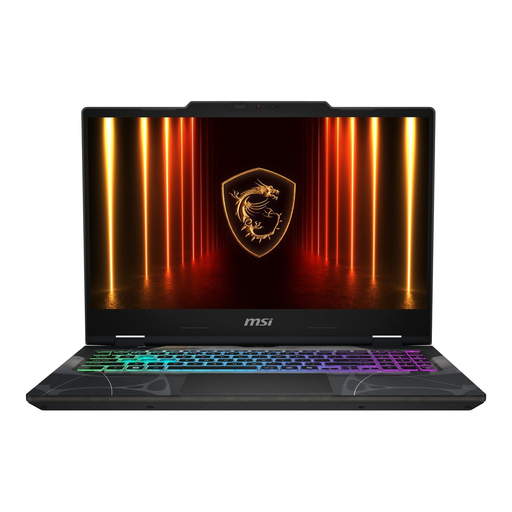 No image available
This Windows laptop is an option if you want to use local software and keep files on your device.
The product name lists a 15.6-inch Full HD screen, 16 GB DDR5 memory, a 512 GB SSD and Windows. The charger must be purchased separately.
 No image available
A Windows option for anyone who wants plenty of built-in screen space to view scans and notes at a desk.
The product name lists a 17.3-inch Full HD screen, 16 GB DDR5 memory, a 512 GB SSD and Windows. The charger isn’t included as standard.
Not just for archive websites and light office work. In advice published on 14 August 2026, the Consumers’ Association says 8 GB RAM is enough for light tasks and recommends 16 GB where possible if you want to run several programmes at once. Choose your storage capacity based on how many scans you plan to keep.
Don’t assume you can install it on ChromeOS in the usual way. The Gramps download page lists downloads for Windows and macOS, but no standard ChromeOS installation. If you need Gramps, check the current installation options for your device before choosing a Chromebook.
You might. Archieven.nl notes that scans and downloads from participating archive services are sometimes free and sometimes available for a fee. Check the terms of the relevant service; this isn’t a fixed cost of buying a laptop.
Don’t assume you can. The Dutch Data Protection Authority says that, in principle, you may publish information about other people online only with their consent, and that processing personal data requires an appropriate legal basis. The specific circumstances and any exceptions also matter.
According to the Dutch government, if there’s a problem with a consumer product, the seller must provide a solution; the manufacturer’s guarantee doesn’t replace your statutory rights. For an online distance purchase from a business, you generally have a 14-day cooling-off period, subject to legal exceptions.