For past exam papers and simple browser tasks, a laptop for everyday use is a good place to start. A clear screen and comfortable keyboard matter more than high processing power, as the Consumers’ Association also points out. If you plan to use the same laptop for an official digital test, check the test provider’s requirements first. According to the Schoolyear Help Centre, for example, an unmanaged Chromebook is not suitable for tests using Schoolyear.
Who is this laptop guide for?
Browser-based exam practice
You read past papers or practice questions and type your answers at the kitchen table. A suitable screen, comfortable keyboard and reliable access to your materials are important. The College for Tests and Examinations provides past exam papers and points to the Facet practice environment for examples of digital national exams. These examples are not the same as taking a test on your own laptop.
Student who spends a long time reading questions
You compare questions, sources and your own answers, and prioritise screen space and readability over having the smallest possible laptop. The Consumers’ Association categorises screen choices by use, so compare the screen specification of the exact model.
Practising for an upcoming school test
You may also want to use the same laptop for a digital test. According to the Schoolyear Help Centre, it matters whether you use Windows, macOS or a Chromebook managed by your school.
What should you consider when choosing?
Start with the requirements of the software you’ll actually use, then decide how much screen space and capacity will suit your practice materials.
| What to consider |
What should you check? |
Who is this important for? |
| Test software |
Check the test provider’s current device requirements and ask your school which test environment applies. The Schoolyear Help Centre lists Windows and supported macOS versions; unmanaged Chromebooks are not suitable for tests using Schoolyear. |
If I also want to use the laptop for an official digital test, it needs to work with the required environment. Around 36% of consumers put test compatibility first. |
| Readability |
Compare the screen size, resolution, finish and keyboard of the exact model. The Consumers’ Association suggests a 14-inch Full HD IPS screen as a guide for simple everyday use, not as a guarantee of personal viewing comfort. |
If I’m reading questions and answers at the table for a long time, I want enough screen space and a display that’s comfortable to read. Around 29% of consumers put readability first. |
| Capacity you need |
Start with the requirements of your own practice or test environment. The Consumers’ Association suggests 8 GB RAM and 256 GB storage as guides for simple everyday use; these are not general minimum requirements for practising exam papers. |
If my materials mainly consist of questions and browser tasks, I don’t want to choose a level of capacity without first checking what my software needs. Around 21% of consumers put the purchase cost first. |
| Portability and charging |
Check the weight and what charging equipment is included. Only compare battery figures when the test task is stated; battery life during practice may differ. |
If I also practise away from the kitchen or can’t always sit near a power socket, portability and charging matter. Around 14% of consumers prioritise mobility. |
Common buying mistakes
-
Assuming a laptop for browser-based practice is also suitable for a school test
Browser-based practice and an official digital test don’t necessarily have the same requirements. The Schoolyear Help Centre states that unmanaged Chromebooks are not suitable for tests using Schoolyear; the Chromebook option described requires the device to be managed and set up by the school.
Before buying, ask which software your test uses and, if applicable, run the provider’s device check.
If your laptop doesn’t meet the test requirements, you may need a second suitable device or an alternative arranged through your school.
-
Choosing high-end specifications as if practice questions required them
The Consumers’ Association’s guidelines for simple everyday use differ from configurations designed for creative or demanding work. So extra capacity isn’t automatically necessary for reading and answering practice questions.
Start with your practice materials and any required software. Then decide whether extra memory, storage or processing power would be useful for the way you use the laptop.
-
Taking a quoted battery life as a guaranteed amount of practice time
For the 13-inch MacBook Air with M5, Apple quotes up to 18 hours of video streaming and up to 15 hours of wireless web browsing. These figures are for different test tasks and don’t guarantee how long the laptop will last while you’re preparing for exams.
Compare battery figures alongside the relevant test task, and consider whether you’ll usually have a power socket nearby at the kitchen table.
Brands to compare
Lenovo
The IdeaPad Slim 3 configuration 82XN008RMH is a specific Windows option to compare for everyday work on a 14-inch screen.
- For this configuration, Lenovo lists Windows 11 Home, 16 GB of soldered memory, a 512 GB SSD and an anti-glare Full HD IPS screen.
- The listed keyboard is English (Euro). Check that this layout suits you; these specifications don’t automatically apply to other IdeaPad configurations.
Acer
The Chromebook Plus 514 CB514-5H-3544, part number NX.JKAEH.001, is a ChromeOS option to compare for browser-based practice.
- The Dutch product information lists a matte 14-inch WUXGA IPS screen, 8 GB RAM and a 256 GB SSD for this model.
- A personal Chromebook isn’t suitable for Schoolyear tests that require a managed Chromebook. Check your school’s requirements if you want to use this laptop for a test.
HP
HP describes the OmniBook 3 range as compact 14-inch laptops for home use and studying.
- The range includes different screen, processor and keyboard options to compare with your needs.
- Check the specifications of the exact configuration. Features available across the range don’t automatically apply to every OmniBook 3 model.
Apple
The 13-inch MacBook Air with M5 is a macOS option if you want to use your laptop for more than browser-based practice.
- Apple lists 16 GB of memory and 512 GB of storage for the base configuration.
- Check that the test software you need works on macOS. The quoted battery life depends on the test task.
Laptops for practising at the table
The selection below consists of Windows laptops for everyday use. When comparing them, focus on the screen size and the requirements of the software you plan to use.
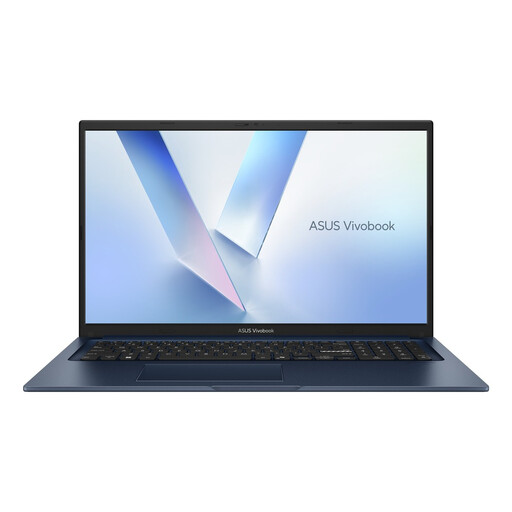 Image unavailable
ASUS Vivobook 17 X1704MA-AU153W, 17.3-inch
The 17.3-inch size could suit you if you prefer a large screen for your practice materials at the table.
The product name lists a Core 5 320, 8 GB RAM, a 256 GB SSD and a QWERTY keyboard.
View at Joybuy
 Image unavailable
ASUS Vivobook S16 S3607QA-SH109W, 16-inch WUXGA OLED
If you like having more screen space while practising, you can compare this 16-inch model with more compact options.
The product name lists a Snapdragon X processor, 16 GB LPDDR5X memory, a 512 GB SSD and Windows 11 Home.
View at Joybuy
 Image unavailable
MSI Modern 14 F1MG-867NL, Full HD
The 14-inch size is worth comparing if you’re looking for a more compact screen for practising at the table and taking with you.
The product name lists an Intel Core 7 150U, 16 GB DDR4 memory, a 512 GB SSD and Windows 11 Home.
View at Joybuy
 Image unavailable
MSI Venture 16 AI A2HMG-068NL, 16-inch
The 16-inch screen with 1920 × 1200 pixels could be worth considering if you want to compare options with more vertical screen space for reading.
The product name lists an Intel Core Ultra 7 255H, 32 GB DDR5 RAM, a 512 GB SSD, a 144Hz screen and Windows 11 Pro.
View at Joybuy
 Image unavailable
Samsung Galaxy Book4 NP750XGK-KG3NL, 15.6-inch
The 15.6-inch screen is worth comparing if you prefer to read questions on a larger display.
The product name lists an Intel Core 7 150U, 16 GB RAM, a 512 GB SSD, Full HD and Windows 11 Home.
View at Joybuy
Frequently asked questions
Do I need special test software to access past national exams?
Not just to view past papers on Examenblad. The College for Tests and Examinations also points to the online Facet practice environment for examples of digital national exams. For another practice website or a real school test, check the provider’s requirements.
Can I use a personal Chromebook for a test with Schoolyear?
According to the Schoolyear Help Centre, not if it’s an unmanaged Chromebook. The Chromebook option described requires a device managed by your school and a one-off setup by its IT team. Ask your school what equipment is available for your test.
What should I check if I want to use a Chromebook for a long time?
Check the update schedule for the exact device in the ChromeOS settings. Google Chromebook Help warns that once a device has received its final software update, it will no longer receive ChromeOS or browser updates.
What are my rights in the Netherlands if I buy online or my product develops a fault early on?
For a standard online consumer purchase, you generally have a legal cooling-off period of up to 14 days after delivery; the ACM ConsuWijzer also notes that applicable exceptions may apply. The seller is also responsible under the legal guarantee if, under normal use, the product doesn’t perform as you could reasonably expect. A manufacturer’s guarantee does not replace this right.


