For a weekend workshop, choose a laptop that suits the way you work. A larger screen is useful if you read reports and tables side by side, while a more compact laptop is easier to carry between sessions. Before you buy, check that your files and research software work with the operating system you choose, including offline if needed. A Chromebook is only suitable if it supports the applications you need.
Who is this laptop guide for?
Report comparer
You read several research reports and want to keep tables, text and notes clearly visible side by side. Screen space and smooth multitasking are important factors when choosing a laptop. The Consumentenbond also highlights these considerations when discussing laptop use for different types of work.
Mobile workshop attendee
You move between sessions and want a laptop that’s easy to carry. Check the exact screen configuration and weight. A quoted maximum battery life doesn’t guarantee how long it will last during your workshop.
Researcher working offline or with specialist software
You want to access files during the workshop without reliable Wi-Fi, or you need specific research software. Check in advance that your files and programmes work with the laptop’s operating system. Google Chromebook Help outlines some offline options for Drive files and PDFs.
What should you look for?
First decide how many documents you want to view at once and how often you’ll carry the laptop. Then check that it supports the software and files you’ll need during the workshop.
| What to consider |
What should you check? |
Who should pay particular attention? |
| Comparing reports |
Compare screen size and resolution, and consider whether you’ll use an external monitor at the venue. |
If I want to view reports, tables and notes side by side, screen space matters most to me. Around 36% of consumers in this workshop context prioritise comparing reports. |
| Portability and battery use |
Check the weight, and only compare battery figures if the test conditions are stated. |
When I move between rooms during workshop sessions, I want a laptop that’s easy to carry. Around 29% of consumers give portability the highest priority. |
| Files and software |
Check that your specific files and programmes work, and test them without Wi-Fi if you need offline access. |
If my workshop files or research software are essential, I want to know in advance whether I can use them on the system I choose. Around 21% of consumers prioritise access and compatibility. |
| Choosing the right configuration |
Match the RAM to the number of programmes you use at once, and check what power supply you’ll need. |
I don’t want to choose a more powerful configuration than my document work requires. Around 14% of consumers prioritise a configuration that suits their needs. |
Common pitfalls
-
Assuming maximum battery life is a guarantee for your workshop
Manufacturers may quote battery life for different activities. For example, Apple gives separate maximum figures for video streaming and wireless internet use on the MacBook Air M4. These figures don’t tell you how long the laptop will last while you’re doing workshop tasks.
Only compare battery figures when the test conditions are stated, and consider the charging facilities at the venue.
-
Choosing a Chromebook without testing your apps and offline files
Google describes offline access for certain Drive files, as well as viewing and editing PDFs on a Chromebook, but not every app works without an internet connection.
Open your own workshop files and applications on the device you’re considering in advance, including without Wi-Fi.
Syncing files and testing offline access takes extra preparation time.
-
Assuming every configuration in a laptop range has the same specifications
Screen, memory and ports can vary by model and region, so a range name alone won’t tell you which configuration you’re looking at.
Compare the full model code and the specifications for the exact configuration.
-
Assuming the power adapter is included
What’s in the box can vary between configurations. Also check that the required power supply will work with your setup.
Before you buy, check what’s included with the exact configuration and what power supply it needs.
Brands to consider
Lenovo
The IdeaPad Slim 3 Gen 8 configuration 82XN008RMH is an example of a compact Windows laptop for documents and running several programmes. Lenovo Netherlands lists the specifications for this configuration.
- This configuration has a 14-inch screen, 16 GB of soldered memory and a 512 GB SSD.
- The memory is soldered. The specification also lists an English (Euro) keyboard, so check that the layout suits you.
HP
The ProBook 4 G1i configuration A23QQEA#ABH is an example of a Windows laptop with a larger screen and work-friendly ports. HP Store Netherlands lists the features of this specific configuration.
- This configuration has a 16-inch screen, 16 GB RAM, a 512 GB SSD and, among other ports, HDMI.
- The specifications listed apply to configuration A23QQEA#ABH and not automatically to other ProBook configurations.
Apple
The 13-inch MacBook Air M4 (2025) is a compact macOS option if your files and programmes work with macOS. Apple Support Netherlands lists the specifications for this model.
- The base configuration has 16 GB of memory, 256 GB of storage and two Thunderbolt 4 ports.
- The quoted maximum battery life differs for video streaming and wireless internet use. These figures aren’t measured workshop runtimes.
Acer
The Aspire Go 14 configuration NX.KT8EH.009 is an example of a Windows laptop for lighter document work. Acer Store Netherlands lists the specifications for this configuration.
- This configuration has a 14-inch WUXGA screen, 8 GB of memory and a 512 GB SSD.
- Acer warns that specifications may vary by model or region, so compare the full model code.
Joybuy laptop picks for the workshop
This selection includes compact Windows laptops and models with larger screens for reading reports, alongside a MacBook Air. Check that the files and software you need work with the operating system on the configuration you choose.
 No image available
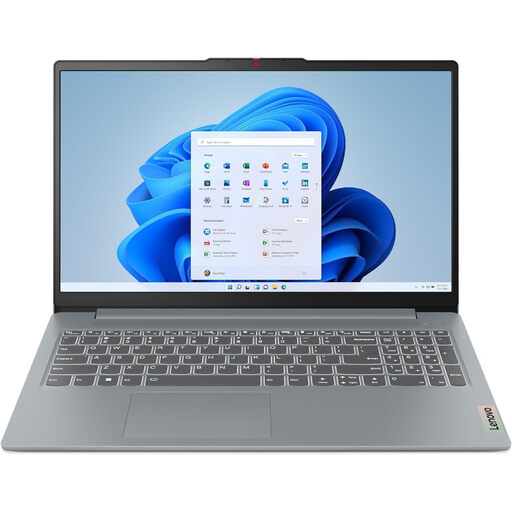
Lenovo IdeaPad Slim 3 15AHP10, 15.3-inch WUXGA, Ryzen 5 8640HS, 16 GB, 512 GB SSD
The 15.3-inch configuration is an option if you want to view reports and tables on your laptop screen.
WUXGA screen with 16:10 aspect ratio; 16 GB DDR5 memory; 512 GB SSD; Windows 11 Home. The power adapter must be purchased separately.
Joybuy
 No image available
MSI Modern 14 F1MG-867NL, 14-inch, Core 7 150U, 16 GB, 512 GB SSD
The 14-inch configuration suits anyone looking for a Windows laptop to carry between workshop rooms and use for documents.
16 GB DDR4 memory; 512 GB SSD; IPS-level anti-glare screen; Windows 11 Home; HDMI and USB-C.
Joybuy
 No image available
MSI Venture 16 AI A2HMG-068NL, 16-inch, Core Ultra 7 255H, 32 GB, 512 GB SSD
The 16-inch screen is designed for anyone who wants to view reports and spreadsheets on one larger laptop display.
1920 × 1200 resolution and 16:10 aspect ratio; 32 GB DDR5 memory; 512 GB SSD; Windows 11 Pro. This configuration is listed without a power adapter, so you’ll need a compatible one.
Joybuy
 No image available
Apple MacBook Air 15-inch M5, 16 GB, 512 GB, Starlight, QWERTY (2026)
This MacBook Air is an option if you want to read reports on a larger screen and the software you need works with macOS.
15.3-inch Liquid Retina screen; M5 chip; 16 GB memory; 512 GB storage; two Thunderbolt 4 ports. A USB-C power adapter isn’t included; the description specifies an adapter of 35 W or higher.
Joybuy
 No image available
ASUS Zenbook A14 UX3407QA-QD479W, 14-inch, 16 GB, 512 GB SSD, Dutch QWERTY
This compact Windows laptop is an option if you want to carry it between sessions and your files and software are compatible.
WUXGA OLED screen with 16:10 aspect ratio; HDMI; Windows 11 Home. A compatible 65 W USB-C Power Delivery charger isn’t included. Compatibility with older software, drivers and specialist applications may vary on Windows on Snapdragon.
Joybuy
Frequently asked questions
Do you need 16 GB of RAM to read energy reports?
Not for light browser and office work alone: the Consumentenbond recommends 8 GB for that. If you use several programmes at once, the Consumentenbond recommends 16 GB where possible. So first consider how you’ll work with the reports.
How do you prepare a Chromebook for a workshop without reliable Wi-Fi?
Make the Drive files you need available offline in advance and check that they’ve synced. Google Chromebook Help also explains how to view and edit PDFs using the Gallery app, but some apps don’t work offline. Test your own files and applications beforehand.
How long do you have to change your mind after buying a laptop online in the Netherlands?
For a standard online consumer purchase, you generally have a statutory 14-day cooling-off period. ACM ConsuWijzer lists some exceptions; check these if your purchase isn’t a standard laptop.
Is the statutory warranty on a laptop in the Netherlands always exactly two years?
No. According to ACM ConsuWijzer, the law doesn’t set a fixed duration for statutory warranty. A product should last for as long as you can reasonably expect it to under normal use. If a product develops a fault too soon, contact the seller.
What does a CE mark on a laptop tell you?
According to the European Commission, a CE mark means the manufacturer declares that the product meets the relevant legal CE requirements. It doesn’t tell you whether the screen quality, battery life or suitability meets your workshop needs.


