If you mainly view reports, drawings and supported 3D files, look for a screen that makes details easy to read and fits on your desk. You may not need to install CAD software locally if the files are supported by a browser viewer. If your course requires you to use Fusion or SOLIDWORKS, first check the required software version, operating system and project size. A compact laptop isn’t automatically suitable for complex models run locally.
Who is this buying guide for?
Student reviewing design files
You read reports and view drawings or shared 3D files, but don’t create demanding models yourself. Consider readability, supported file formats and how much room you have to work. Autodesk Viewer can support files for viewing, measuring and annotating, but check that it works with your file type and workflow.
Student who needs specific CAD software
You need to open or edit designs locally using software required by your course. Check the exact application, version and project complexity before choosing a configuration. Autodesk and SOLIDWORKS publish system requirements for specific applications, which are more useful than a general label such as ‘student laptop’.
Student who often travels between their room and campus
You use the same laptop at a small desk and while out and about. Compare the dimensions and weight of the exact model with the space available and your bag, and check that you can connect your usual screens and accessories.
What should you consider when choosing?
Browser viewer for reviewing designs
Choose this option: if you mainly view, measure or annotate supported drawings and 3D files.
Bear in mind: a viewer won’t replace desktop software if you need to create models locally.
Windows laptop for local CAD work
Choose this option: if your course requires Windows software and you need to open or edit designs locally.
Bear in mind: the hardware you need depends on the software and project size. Autodesk recommends more powerful hardware for large Fusion assemblies.
Mac for compatible software
Choose this option: if your required software and file workflow support macOS.
Bear in mind: according to SOLIDWORKS, its desktop client requires Windows. Support for a separate viewer doesn’t mean the desktop client works on macOS.
| What to consider |
What should you check? |
Who is this relevant to? |
| Software and files |
Check the software, version, file formats and project size, then compare these with the system requirements. |
If I need to run required software locally, I want to know in advance whether the model will work with it. This is a priority for around 31% of consumers who put compatibility first. |
| Room to read |
Compare the screen size, resolution and aspect ratio of the exact model. If possible, view one of your own drawings and reports. |
If I want to review drawings and notes side by side, a clear view on the built-in screen matters. Around 25% of consumers prioritise this reading space. |
| Size and portability |
Check the dimensions, weight and ports of the model, and compare them with your desk and equipment. |
If my laptop needs to fit on a small desk and come with me to campus, a compact design is important. Around 25% of consumers prioritise portability. |
| Overall requirements |
Check what’s included, whether your course provides access to software and what an additional service plan covers. |
If I want to put together a configuration that’s ready to use, I also consider any accessories I might need and additional cover. Around 19% of consumers prioritise these overall requirements. |
Common buying mistakes
-
Assuming that viewing 3D files is the same as running CAD software
A browser viewer and local modelling have different capabilities and system requirements. Being able to view a file doesn’t confirm that the laptop can also run the required desktop software.
First, find out which software, version and tasks your course requires. Then compare the configuration with the relevant system requirements.
-
Assuming every model in a laptop range is the same
A range may include models with different combinations of memory and storage, so the specifications of one model won’t necessarily apply to the one on offer.
Check the full model or configuration number and the specifications of the exact laptop you want to buy.
-
Looking only at screen size
A larger built-in screen takes up more space, and ports can vary between models.
Compare the dimensions and ports with your desk and existing equipment, and check whether you’ll need a suitable connection for an external screen.
-
Confusing paid extended cover with your statutory rights
An additional service plan is separate from your statutory rights. According to the Dutch Government, if there’s a problem with a product, the seller must provide a solution.
Read what additional cover is actually included and who to contact if something goes wrong.
Brands to consider
Apple
A compact macOS option if you can use the software you need on macOS.
- Apple lists the 13-inch MacBook Air base model with M5 as having 16 GB of memory, a 512 GB SSD, a 13.6-inch screen and two Thunderbolt 4 ports.
- These are Apple’s specifications, not the result of an independent CAD performance test. Check separately whether any Windows-only software or adapters are required.
ASUS
The Vivobook S 14 S5406SA is an example of a compact Windows laptop you can compare across configurations.
- For the specific model described for the Netherlands, ASUS lists 32 GB of memory, 1 TB of storage and a weight of 1.30 kg.
- ASUS also lists a model in the S5406 range with 16 GB of memory and 512 GB of storage. Integrated graphics alone don’t prove that large CAD assemblies will run smoothly.
Dell
The Dell Pro 14 PC14250 is a Windows model you can use to compare screen size and additional service options.
- Dell lists a 16:10 screen aspect ratio for the PC14250 and offers ProSupport Plus as an additional service option.
- The product page shows configuration options, so check the screen and memory specifications for the exact model. Paid service doesn’t replace your statutory rights.
Lenovo
Lenovo’s engineering advice can help you draw up a checklist for local design work.
- Lenovo highlights the processor, graphics hardware, memory, storage and ports as factors to consider for technical tasks.
- This is brand advice, not an independent assessment of all Lenovo laptops. Check that the specific model meets your course requirements.
Joybuy product picks
This selection features compact laptops for studying and viewing documents and design files. For local CAD work, always check the required software, version and project size before choosing a model.
 No image available
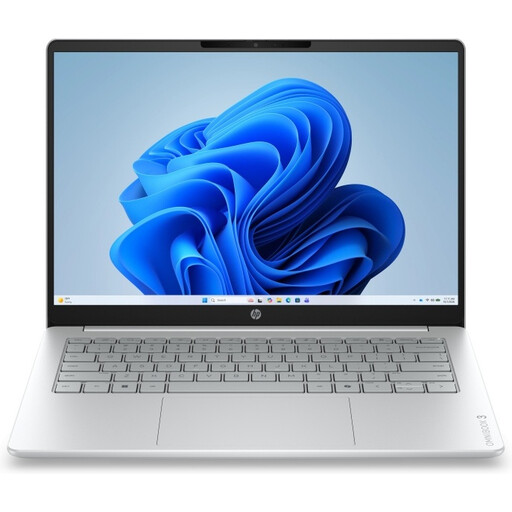
HP OmniBook 3 14-hy0058ndx
A compact Windows laptop for viewing documents and supported design files. Check your course requirements before choosing it for local CAD software.
14-inch, AMD Ryzen 5 7520U, 8 GB RAM, 512 GB SSD and Windows 11 Home. A charger isn’t included, so check which power supply you need.
View at Joybuy
 No image available
HP OmniBook 3 14-HY0005NDX
A compact Windows laptop for studying and viewing documents. Check the exact software requirements to see whether it’s suitable for local CAD work.
14-inch, AMD Ryzen 5 130, 12 GB RAM, 512 GB SSD, 2K IPS screen and Windows 11 Home. A charger isn’t included, so check which power supply you need.
View at Joybuy
 No image available
ASUS Zenbook A14 UX3407QA-QD479W
A compact laptop for viewing design details and documents. Check in advance that the required software is compatible with this model.
14-inch, Snapdragon X, 16 GB RAM, 512 GB SSD, WUXGA OLED screen and Dutch QWERTY keyboard. A compatible 65 W USB-C Power Delivery charger is required and isn’t included.
View at Joybuy
 No image available
Lenovo IdeaPad Slim 3 14AHP10 R7
A compact laptop for reading and comparing documents. If you need to use design software locally, check the configuration against its requirements.
16 GB RAM, 512 GB SSD and Windows 11 Home; the keyboard is QWERTY.
View at Joybuy
 No image available
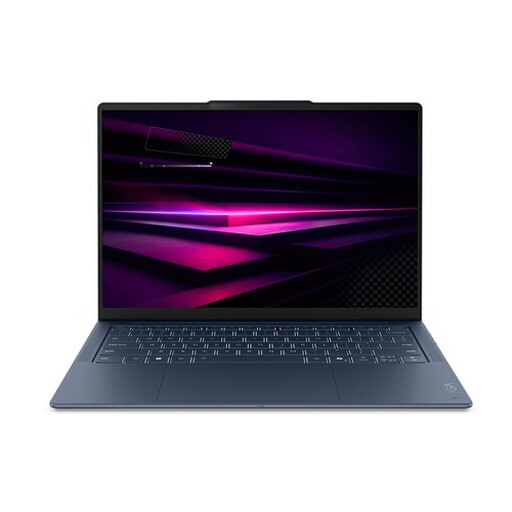
Lenovo Yoga Slim 7 14Q8Y11 Copilot+ PC
A compact laptop for viewing design details and studying in different places. Check compatibility before choosing it for required local CAD software.
14-inch, Snapdragon X2P-42-100, 16 GB RAM, 512 GB SSD, OLED screen with 1920 × 1200 pixels and QWERTY keyboard.
View at Joybuy
Frequently asked questions
Do I always need a dedicated graphics card to review 3D designs?
Not just to review files: Autodesk offers a browser viewer for supported 2D and 3D formats. If you need to work with complex assemblies locally in Fusion, Autodesk recommends more powerful hardware. So first check which tasks and software your course requires.
Can I use SOLIDWORKS for my course on a MacBook?
Don’t assume you can use the SOLIDWORKS desktop client: its system requirements specify Windows. Support for eDrawings on macOS doesn’t make the desktop client a macOS application, so check the exact educational software and version you need.
How can I set up a small workspace for comparing designs?
Start by viewing one of your own drawings and its notes on the built-in screen. If you want to use an external screen, check that you have room for it and that the exact laptop has the video connection you need.
Do I need to pay separately for a charger or extended cover?
Check what’s included with the specific offer and which power supply you need. For consumer purchases, the Dutch Government says the seller must provide a solution if there’s a problem with the product. When considering paid extended cover, check what additional protection it offers.
Do I have a cooling-off period when buying online in the Netherlands?
According to the Dutch Government, you have 14 days to change your mind in many cases when buying at a distance, although there are exceptions. The Dutch Government also states that an online purchase from a private seller doesn’t count as a distance sale, so check who the seller is and which terms and conditions apply.


