Start with your course’s software requirements and the size of the datasets you want to process locally. Then decide whether you’d prefer a more compact screen, more built-in workspace or more powerful hardware. Tilburg University recommends 16 GB of RAM, among other things, for statistical software. pandas explains that operations can create temporary copies, which can make datasets difficult to handle even when they’re smaller than the available memory. You don’t automatically need a dedicated GPU to explore datasets: consider one if a specific course or project requires local GPU processing.
Who is this guide for?
Students analysing data locally
You use statistical software or Python and want to avoid running into memory limits when processing data. The amount of memory you need depends on your programmes and how you work. Tilburg University provides memory recommendations for statistical software, while pandas explains why operations can require extra memory.
Students using prescribed software
Your course requires specific applications or a particular working environment. Check your course’s current requirements before choosing between Windows and macOS: the recommendations from Tilburg University and Rotterdam University of Applied Sciences apply to their own teaching contexts.
Students working on a single screen
You view code, tables and sources in your room, and need to weigh a larger built-in display against a laptop that’s easier to carry around. Rotterdam University of Applied Sciences also recommends considering whether you’ll need to connect an external monitor or projector for its course.
What should you look for?
First check your course’s software requirements, then assess your local workload before choosing a screen size and deciding how portable your laptop needs to be. Tilburg University recommends 16 GB of RAM, among other things, for statistical software. pandas warns that temporary copies created during operations can require extra memory.
| What to consider |
What to look for |
Who should prioritise this? |
| Memory and local analysis |
Check the RAM in the exact configuration and consider the operations you’ll be using. |
If you analyse datasets locally and keep several programmes open at once, you’ll want enough memory for your workload; around 33% of consumers put analytical capacity first. |
| Course software |
Check the current software and hardware requirements for your course and academic year. |
If required software could limit your laptop choice, first check which systems your course supports; around 27% of consumers give course compatibility top priority. |
| Screen workspace |
Compare screen size and resolution, and check for connections for an external monitor. |
If you want to view code, tables and sources side by side, the built-in screen space could be important; around 20% of consumers put workspace first. |
| Cost and portability |
Check the requirements before replacing your laptop, and compare the size and weight of the available configurations. |
If you carry your laptop between your room and lectures while keeping an eye on the cost, you’ll want to find the right balance; around 20% of consumers name cost and portability as their main priorities. |
Common buying pitfalls
-
Assuming one course’s recommendation applies to everyone
Requirements vary between teaching contexts. Tilburg University recommends Windows for its own IT environment, while Rotterdam University of Applied Sciences accepts macOS for Applied Data Science & AI in the 2026/2027 academic year.
Check the current requirements for your course, academic year and required applications before choosing an operating system.
-
Looking only at file size
According to pandas, operations can create temporary copies. This can make a dataset difficult to process even when it uses a sizeable share of the available memory.
Think about which data your analysis actually needs, and consider loading less data or processing it in stages.
-
Assuming a charger is always included
A Joybuy product page for a MacBook Air M5 states that a charger is not included. This won’t necessarily apply to other configurations or offers.
Before buying, check what’s in the box and the charging specifications for the exact offer.
For that specific offer, you may need to buy a suitable charger separately.
Brands to consider
HP
HP’s Dutch store lists 14-inch and 16-inch versions of the OmniBook 3 with 16 GB RAM and a 512 GB SSD. These are the specifications of the models mentioned, not the result of a performance test or a judgement on all HP laptops.
- According to HP Netherlands, the HP OmniBook 3 14-hy0620ndx and 16-by0640ndx offer two screen sizes with the memory and storage configurations mentioned.
- Check the full model number and included accessories for the configuration you’re considering.
Apple
Apple lists a 13-inch MacBook Air with M5, 16 GB of unified memory and a 512 GB SSD. Check that macOS supports the software required for your course.
- According to Apple Netherlands’ specifications, the configuration mentioned combines a 13-inch screen with 16 GB of memory and a 512 GB SSD.
- Apple’s stated battery life isn’t a measure of performance for data analysis, and doesn’t tell you whether your course software is compatible.
Lenovo
Lenovo Netherlands discusses laptops for social science students who combine research, report writing and analysis using programmes such as SPSS, R or Python.
- Lenovo’s guide covers the trade-offs between processor, memory and multitasking for study and analysis.
- This general advice doesn’t confirm that a specific Lenovo configuration meets your course’s requirements.
Laptops at Joybuy
This selection includes laptops for working with datasets locally, from compact configurations to models with more built-in screen space.
 No image available
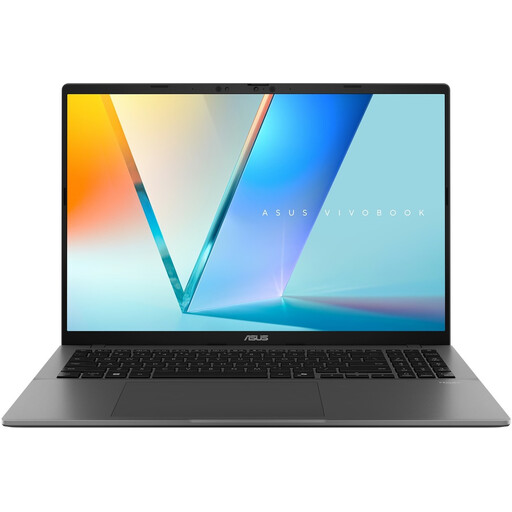
ASUS Vivobook S16 S3607QA-SH109W
A 16-inch configuration for viewing code, tables and sources on the built-in screen at your desk.
16-inch WUXGA OLED screen with a 16:10 aspect ratio; Snapdragon X processor; 16 GB LPDDR5X memory; 512 GB SSD; Windows 11 Home.
View at Joybuy
 No image available
Microsoft Surface Laptop 7, 13.8-inch, Snapdragon X Elite
A more compact Windows configuration for studying and working with datasets locally.
13.8-inch screen; Snapdragon X Elite; 16 GB RAM; 512 GB SSD.
Check that the software required for your course works on the configuration you choose.
View at Joybuy
 No image available
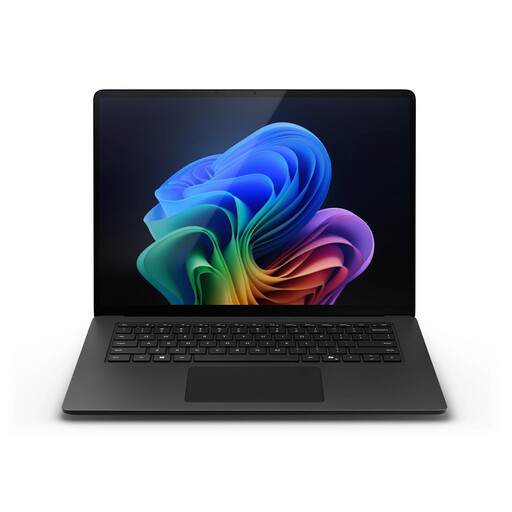
Microsoft Surface Laptop 7, 13.8-inch, Snapdragon X Plus
A compact configuration for viewing code and tables on a laptop with a 13.8-inch screen.
Snapdragon X Plus; 16 GB memory; 512 GB SSD; 3:2 screen aspect ratio.
Check that the software required for your course works on the configuration you choose.
View at Joybuy
 No image available
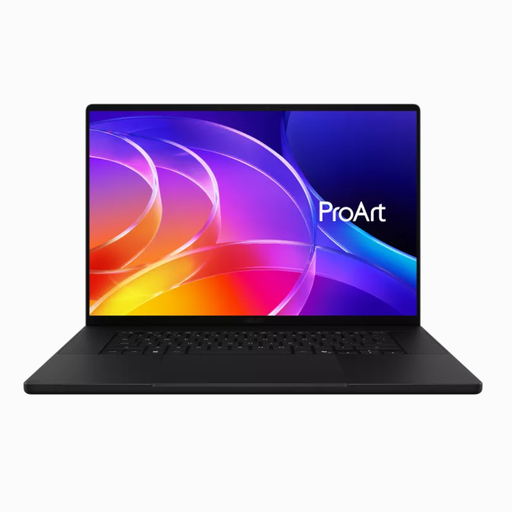
ASUS ProArt P16 H7607BA-SE030X
A 16-inch configuration with generous stated memory and storage for working on larger projects locally.
16-inch 4K screen with a 16:10 aspect ratio; 64 GB RAM; 1 TB SSD; Windows 11 Pro.
View at Joybuy
 No image available
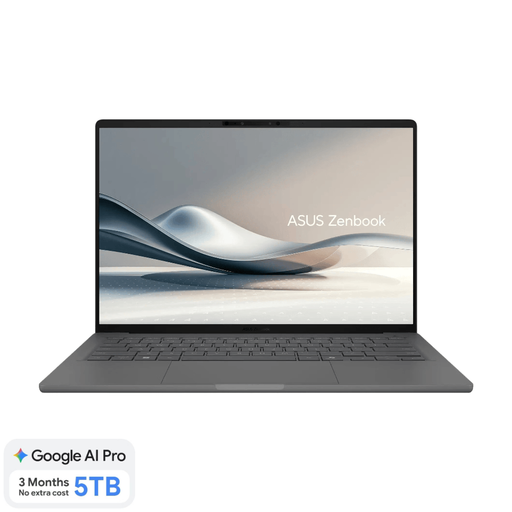
ASUS Zenbook A14 UX3407QA-QD479W
According to the product information, this 14-inch configuration weighs around 0.98 kg, making it a good option if you carry your laptop around regularly.
Snapdragon X; 16 GB RAM; 512 GB SSD; 14-inch WUXGA OLED screen; Dutch QWERTY keyboard.
According to the product information, a compatible 65W USB-C Power Delivery charger isn’t included. Also check that older or specialist Windows programmes and drivers work with this Snapdragon configuration.
View at Joybuy
Frequently asked questions
Do I need a dedicated graphics card to explore public datasets?
Not just to explore datasets. Rotterdam University of Applied Sciences recommends a more powerful GPU when buying a new laptop for further study on its specific Applied Data Science & AI course. Check whether your course or project actually requires local GPU processing.
What can I do if a dataset needs too much memory?
You could start by loading less data or processing it in stages. pandas describes this approach for large datasets, among other things. Before deciding that you need a different laptop, work out which columns and rows your analysis needs.
Can I reuse a dataset from data.overheid.nl without any conditions?
Not necessarily. According to data.overheid.nl, the licence determines how you can reuse a dataset; some licences impose restrictions or require attribution. So check the licence for the specific dataset.
What are my rights if a laptop bought online doesn’t meet the requirements?
If a laptop doesn’t meet the terms of the agreement under normal use, ACM ConsuWijzer says the seller must offer an appropriate solution under the conditions of the legal guarantee. Online purchases also generally come with a 14-day cooling-off period after delivery, although exceptions may apply.


