
Mixing lots of choir tracks
You work with separate vocal groups, edits and effects, and want a configuration to suit your session. Ableton highlights that your computer requirements depend on the number of tracks and plug-ins in your projects.


Start with a laptop that runs your DAW, plug-ins and audio interface. Then choose the memory, storage and screen space to suit your choir project. A compact laptop is handy if you work between the rehearsal room and home, while a higher-spec configuration may offer more headroom for large sessions and archives. Compare reference recordings at the same playback level so differences in loudness don’t influence your sound choices.
You work with separate vocal groups, edits and effects, and want a configuration to suit your session. Ableton highlights that your computer requirements depend on the number of tracks and plug-ins in your projects.
You compare your mix closely with existing recordings and want to judge tonal differences without mistaking a difference in loudness for a difference in sound. iZotope recommends matching the reference playback level to that of your mix.
You take your laptop with you and want to work with project files, an audio interface and, potentially, external storage in both places. Ableton explains how to collect project media for transfer and recommends keeping a separate backup.
First, check that your software and equipment are compatible. Then compare the configuration with your sessions, listening setup and work locations.
| What to consider | What to look for when buying | Who should prioritise this? |
|---|---|---|
| Processing power and memory | Check the requirements for your DAW and plug-ins, and compare the exact CPU and RAM configuration. Ableton recommends 16 GB or more for Live. | For a session with lots of separate vocal groups and plug-ins, I mainly want a laptop configuration that suits my project. Around 33% of consumers prioritise the demands of their session. |
| Reference recordings | Compare your mix and the reference at the same playback level, as iZotope recommends. Also check that you have the connections your listening setup needs. | If I want to compare my mix closely with existing recordings, I don’t want to mistake differences in loudness for differences in sound. Around 27% of consumers give detailed reference work top priority. |
| Storage and transferring files | Ableton recommends 500 GB–2 TB of storage for computers running Live. Add up your source files and project versions, and plan a separate backup too. | For source recordings, project versions and file transfers, I want enough storage and a backup plan. Around 20% of consumers prioritise storage and transferring files. |
| Portability and connections | Check the screen size and ports on the exact model for your audio interface, headphones, external drive and any monitor. | When I work between the rehearsal room and home, I want to connect my equipment in both places and carry my laptop easily. Around 20% of consumers give working in different locations top priority. |
Meeting the minimum requirements doesn’t guarantee that a project with lots of tracks and plug-ins will run smoothly in your working conditions.
Compare the exact laptop configuration with your DAW, plug-ins and a representative project.
A mastered reference can sound louder, prompting unnecessary changes to your EQ or compression.
Before making sound choices, match the reference playback level to that of your mix, as iZotope recommends.
Storage space on your laptop isn’t the same as having a backup if project files are lost or damaged.
Collect project media before transferring it, and arrange a separate backup. Ableton explains how to use ‘Collect All and Save’ and recommends external backup storage.
DAW versions, plug-ins and drivers may require specific operating systems or versions.
Check that your software and audio interface are compatible before switching between macOS and Windows.
The MacBook Air M5 is a compact macOS option. MacBook Pro configurations are worth comparing if you’re looking for different memory, storage or connectivity options.
The OmniBook 7 is a Windows range with different configurations, so you can weigh up screen size, memory and storage separately.
The ThinkPad T14 Gen 7 AMD is a 14-inch Windows option to consider if you’re looking for a business laptop with a specific configuration.
The XPS 14 DA14260 is a compact Windows range with configurable options to compare.
These Joybuy products are Windows laptops for anyone who wants to mix a choir in different locations or is looking for a configuration suited to project work.
 No image available
The 13.3-inch model could suit you if you take your laptop between the rehearsal room and home.
The product name lists an AMD Ryzen AI 5 processor.
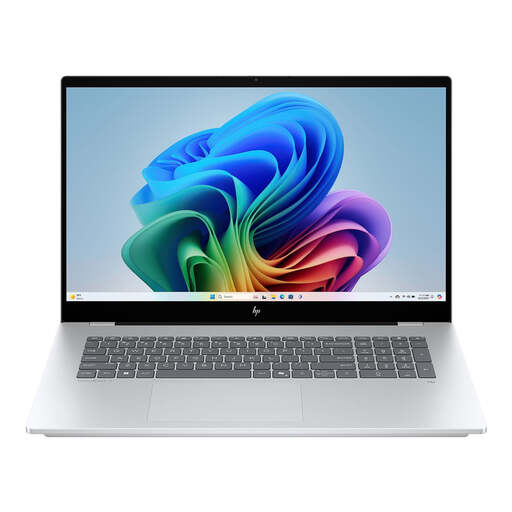 No image available
This Windows laptop could suit you if you’re mainly looking for a dedicated workspace for project work.
 No image available
The 14-inch 2-in-1 format could suit you if you use your laptop in different locations.
The product description states that a compatible USB-C Power Delivery charger of at least 45 W is not included.
 No image available
The 16-inch 2-in-1 model could suit you if you want to work in different modes across multiple locations.
The product description states that the charger must be purchased separately.
 No image available
The 16-inch screen could suit you if you want to work on projects at a dedicated workspace.
The product name lists WUXGA OLED, Snapdragon X Processor, 16 GB LPDDR5X, 512 GB SSD and Windows 11 Home.
Not necessarily: Ableton lists 8 GB as the minimum for Live 12 and recommends 16 GB or more in its computer guidance. This isn’t a universal requirement for other DAWs, nor does it tell you exactly how much your choir project needs. Check your software requirements and try a representative session.
On Windows, Ableton recommends using the interface’s ASIO driver where available. A smaller buffer reduces latency, but uses more CPU power and can cause glitches if the system is overloaded.
In Ableton Live, ‘Collect All and Save’ can gather the media files used in a project; Ableton also recommends keeping a separate external backup. When transferring the project, check that the other computer has the same plug-ins you need.
According to the Dutch government, the seller must provide a solution if a product is faulty. A manufacturer’s warranty or an extended warranty may offer additional cover.
Don’t assume that you can. The Dutch government distinguishes between making a private copy for personal use and distributing or publicly sharing protected music; performing artists may also have related rights. If people can be identified in a recording, it may also contain personal data, and processing it requires a lawful basis under the GDPR. The permissions or other lawful bases that apply in your situation depend on the material and how you intend to use it.