Start by considering the DAW, plug-ins and audio interface you actually use. Then check that the specification suits your session and the project copy you want to take with you. A compact Mac may fit into an existing macOS workflow, while a Windows laptop with a larger screen can show more tracks at once. Neither option guarantees smooth playback of a large choir mix without testing: minimum system requirements are not a performance guarantee.
Who is this guide for?
Mixers working with lots of choir tracks
You work with a session containing multiple tracks and effects, and want to be able to play it back and export it before the review. Ableton points out that the load also depends on the audio processing and software you use.
Creators with an existing DAW
You already have projects, plug-ins or an audio interface, and want to check that they’ll continue to work with the operating system and version on your new laptop.
Presenters working on location
You’re taking your mix to a reviewer and want your audio files, connections and a standalone playback copy to be ready.
What should you look for when choosing?
Start by checking that your software and interface are compatible. Then consider processing headroom, storage and connections in relation to your session and review setup. Ableton highlights the CPU’s importance for audio processing. Steinberg notes that Cubase’s memory use can increase with recording length, sample rate and track count.
| What to consider |
What should you check? |
Who should pay particular attention? |
| Mixing and exporting |
If possible, test a copy of your own session with the effects and export settings you use. Check the processor, memory and any upgrade options for the exact specification. |
If I need to play back and export an extensive choir session with effects, I want to know how my own project runs. Around 33% of consumers say mix stability is their main purchase concern. |
| Software compatibility |
Make a note of your DAW and plug-in versions, operating system and interface model. Check support with the relevant manufacturers. |
I want to keep using my existing DAW projects, plug-ins and audio interface. Around 27% of consumers give compatibility with existing audio software their highest priority. |
| Transferring projects |
Compare the size of your recordings, project copy and export with the available SSD space. Open the transferred copy before the review. |
For the review, I want to take a complete project copy and a standalone audio export with me. Around 20% of consumers put project transfer at the top of their list. |
| Connecting and presenting |
List the interface, storage and any screens you’ll use on location, then check the connections on the exact laptop you’re considering. |
If I’m presenting my mix on location, I want to be able to connect my equipment and show the session clearly. Around 20% of consumers say presenting and connecting equipment is their main purchase concern. |
Common pitfalls
-
Taking a DAW’s minimum requirements as a guarantee for a large choir mix
The load also depends on the session, effects and processing. So meeting the minimum requirements doesn’t automatically mean your project will play back or export successfully.
Check the requirements for your own DAW and plug-ins, and test your session on the configuration you’re considering.
-
Taking only the project file with you
A DAW project may refer to audio files that aren’t in the project folder. Ableton Live notes that simply saving a project doesn’t automatically collect these files in the project folder.
In Ableton Live, use ‘Collect All and Save’, take the complete project folder with you, and test a standalone audio export too.
Allow time to restore any missing audio files or plug-ins if something isn’t available at the review venue.
Relevant brands to compare
Apple
The MacBook Air M5 is a compact macOS option if your audio software works well with it.
- For the 13-inch base model, Apple lists 16 GB of unified memory, a 512 GB SSD and two Thunderbolt 4 ports.
- Plan which peripherals you’ll need to connect to the two ports. These specifications don’t predict how a specific choir mix will perform.
Lenovo
The IdeaPad Slim 5 15ARP10 configuration 83J3004VMH offers a Windows workspace with a larger screen.
- For this configuration, Lenovo lists a 15.3-inch screen, 16 GB of soldered memory and a 512 GB SSD.
- Soldered memory isn’t an obvious upgrade option. Check the exact specification and availability before you decide.
HP
The OmniBook X Flip 14-kc0600ndx is a compact Windows laptop; its 2-in-1 design doesn’t in itself offer a proven audio benefit.
- For this configuration, HP lists Windows 11 Home, 16 GB RAM, a 512 GB SSD and a 14-inch screen.
- Check the connections and included accessories. The retailer’s listing mentions an option relating to the power adapter.
Dell
Dell Pro 14 is a Windows product line worth comparing if a 14-inch format or business support is important to you.
- Dell lists model PC14250 and Intel Core Ultra processors.
- Memory, storage and audio performance depend on the specific configuration; check the variant before comparing.
Laptops to compare
These Joybuy laptops are options to compare for mixing and presenting a choir recording. Always check that the exact configuration and your own session suit your workflow.
 Image unavailable
HP OmniBook 3 16-by0058ndx
The 16-inch screen may be useful if you want to view lots of tracks at once. Test your own session to assess how this configuration handles audio processing.
The product title lists an AMD Ryzen 5 7520U, 8 GB RAM, a 512 GB SSD and Windows 11 Home. The power adapter is not included.
View at Joybuy
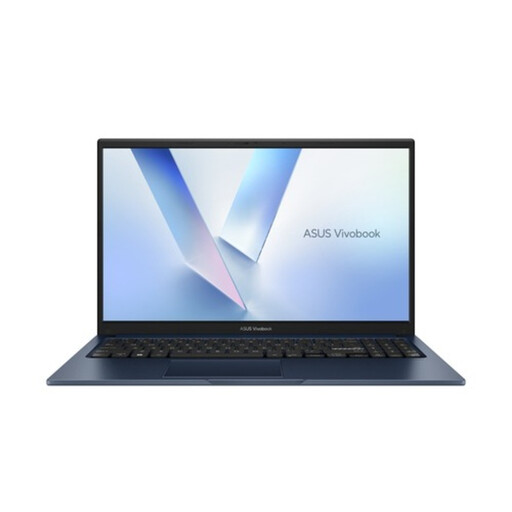 Image unavailable
ASUS Vivobook 15 X1504MA-BQ534W
This laptop is worth comparing if a 15.6-inch screen matters to you. Check that the storage and configuration suit your projects.
The product title lists an Intel Core 5 320, 8 GB RAM, a 256 GB SSD, Quiet Blue and a QWERTY keyboard.
View at Joybuy
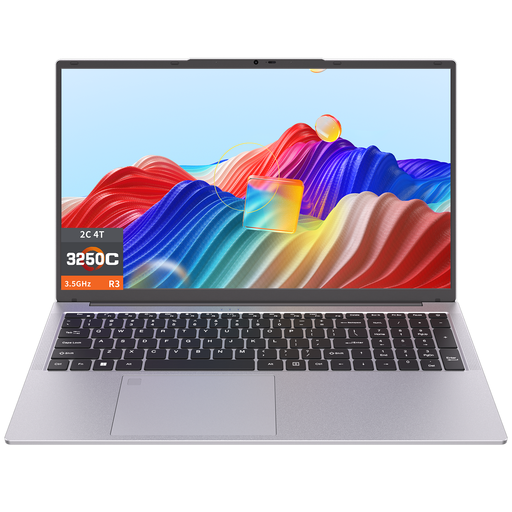 Image unavailable
Auusda T173A
The 17.3-inch screen is worth considering if you want to view your session on screen. Assess how easy it is to carry separately, based on your review venue.
The product title lists a 3250C processor, 8 GB DDR4 RAM and a 512 GB SSD.
View at Joybuy
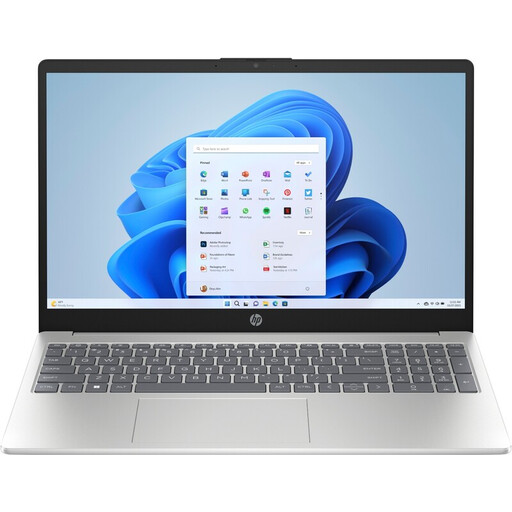 Image unavailable
HP Laptop 15-fd1251ndx
A Windows laptop with a 15-inch screen to compare if you’re weighing up workspace and use on location. Test it with the DAW and interface you use.
The product title lists an Intel Core 5 120U, 8 GB DDR5, a 512 GB SSD and Moonlight Blue. The power adapter is not included.
View at Joybuy
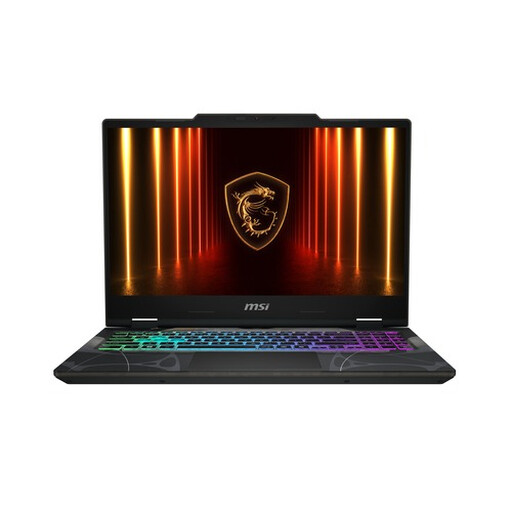 Image unavailable
MSI Cyborg 15 B13WEKG-1223NL
Compare this configuration using your own session and software; the product title alone can’t predict how your choir mix will run.
The product title lists an Intel Core i5-13420H, 16 GB DDR5, a 512 GB SSD and a 15.6-inch FHD screen with 144 Hz. It also lists GeForce RTX 5050 8 GB and Windows 11 Home.
View at Joybuy
Frequently asked questions
Is 8 GB RAM enough if your DAW lists it as the minimum?
Not necessarily. Ableton’s minimum system requirements for Live list 8 GB RAM, but that doesn’t guarantee it will be enough for your recording, plug-ins and other programmes. Check the requirements for your own software and test your session.
Should the audio buffer always be as small as possible when mixing?
No. Ableton says a smaller buffer reduces latency but puts more demand on the CPU. Choose a setting that suits what you need while recording or playing back, and test your session.
How can you avoid missing audio files during a portfolio review?
In Ableton Live, a standard save keeps references to the files you’ve used. Use ‘Collect All and Save’, take the complete project folder with you and check the copy; this won’t copy the plug-ins.
What rights do you have when buying a laptop online from a business?
According to the Dutch government, a 14-day cooling-off period applies in many cases when you buy online. You’re also entitled to a product that works properly; if there’s a problem, the seller is your point of contact for the legal guarantee. Check the terms that apply to your specific purchase.
Can you share a portfolio recording featuring identifiable choir members?
This depends, among other things, on whether people can be identified, the purpose and who you share the recording with. The Dutch Data Protection Authority says that organisations need a legal basis to process personal data, and that publishing other people’s details online generally requires their consent. Discuss the planned sharing with the choir; a private review isn’t automatically the same as publishing something online.


