
Choir guide writer
If you mainly write and edit text, a comfortable keyboard and enough screen space to edit your document clearly are useful. The Consumers’ Association lists RAM and screen choice as things to consider when buying a new laptop.


First, choose the document software you need, then compare the keyboard, screen space and storage for your text and images. For light document work, 8 GB of RAM may be enough; if you use lots of programmes at once, the Consumers’ Association recommends considering 16 GB. A smaller screen is easier to carry around, but gives you less room to view text and images side by side.
If you mainly write and edit text, a comfortable keyboard and enough screen space to edit your document clearly are useful. The Consumers’ Association lists RAM and screen choice as things to consider when buying a new laptop.
If you add reference images and use several files or programmes, RAM and storage are worth considering. Microsoft explains how to insert images into a document in Word for the web.
If you take your laptop to rehearsals or meetings, weigh up a more compact size against the extra working space of a larger screen.
A good fit if: you need a Windows programme that you can install locally. According to their manufacturers, the Acer and Lenovo models reviewed both have a 15.6-inch IPS screen.
Bear in mind: the Acer model has a maximum of 8 GB of RAM; the RAM in the Lenovo model reviewed is soldered. Check the capacity of the exact model.
A good fit if: your preferred document programme and peripherals work with macOS. For the 13-inch MacBook Air with M5 chip reviewed, Apple lists 16 GB of RAM, 512 GB of SSD storage and a 13.6-inch screen.
Bear in mind: the screen is smaller than the 15.6-inch Windows screens reviewed. Check that the ports and any adapters you need suit the way you work.
A good fit if: you create the guide mainly in web apps and they support the formatting features you need.
Bear in mind: Microsoft offers Word on a Chromebook through the web, not as an installable Windows or Mac desktop version. Some features in Word for the web work differently.
| What to consider | What to look for | Who this matters most to |
|---|---|---|
| Writing and formatting | Compare the keyboard layout and screen size; check that the document software supports the formatting you need. | If I write long passages and lay out pages, I want to be able to read and edit my text comfortably. Around 36% of consumers give writing and formatting top priority. |
| Images and files | Consider how many images and files you store, and how many programmes you use at once. The Consumers’ Association says 8 GB is enough for light work and recommends 16 GB where possible when using several programmes; for regularly working with large photo files, it suggests 512 GB of SSD storage or more as a guide. | If I have lots of reference images and source files open at once, I want enough space for files and programmes. Around 29% of consumers prioritise images and files. |
| Portability or a larger screen | Compare the size and weight of the exact model with the places where you work on the guide. | If I take my laptop to rehearsals or meetings, I weigh portability against having enough room to view text and images side by side. Around 21% of consumers give portability top priority. |
| Configuration and essentials | Choose a RAM capacity that suits how you use your laptop, and check whether it can be upgraded. Also check which charger and software are included. | If I mainly insert text and images, I don’t want to pay for specifications I don’t need. Around 14% of consumers prioritise keeping the purchase price down. |
You can use Microsoft 365 on a Chromebook through the web, but you can’t install the Windows and Mac desktop versions of Office on it. Some features in Word for the web may differ from the desktop version.
Before you choose, create a test page using the images and formatting your choir guide needs.
If formatting features are missing, you may need to use different software or a different way of working.
According to Acer, the Acer model reviewed has a maximum of 8 GB of RAM. Lenovo says that the RAM in the model reviewed is soldered, so it can’t easily be replaced or upgraded.
Choose a RAM capacity based on the programmes you use at the same time, and check whether it can be upgraded using the full model number.
EU rules allow laptops to be sold without a new charger. A USB-C port alone doesn’t tell you how much power an existing charger can supply.
Check what’s included in the box and the charging specifications for the model you choose.
If you don’t have a compatible charger, you may need to buy one separately.
The ability to add an image to a document doesn’t in itself give you permission to share that image. Copyright and the privacy of identifiable people are separate considerations.
Before sharing, check that you’re allowed to use the images and that you have a lawful basis for including identifiable people.
The Aspire Go range includes Windows laptops for light document work.
IdeaPad Slim 3 models offer different screen, RAM and keyboard layout options to compare.
The MacBook Air is a macOS option if your preferred document software and peripherals work with it.
HP offers, among other options, ProBook models with Windows and a 16-inch screen.
The Inspiron 14 2-in-1 offers a different form factor for anyone considering a touchscreen or different ways of using their laptop.
This selection includes Windows laptops with large screens and a MacBook with a more compact screen, for writing and formatting documents with images.
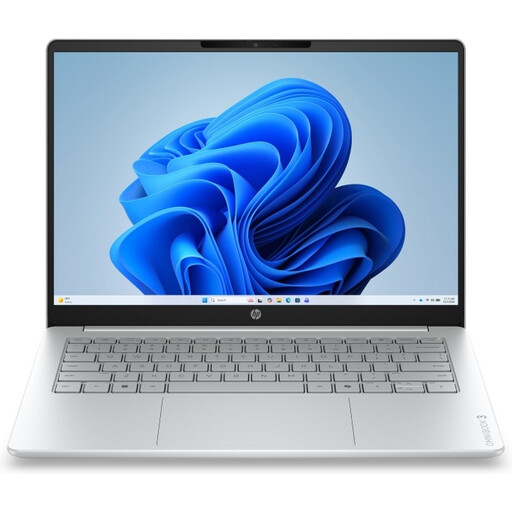 Image unavailable
A large screen could be a good choice if you mainly write your guide in one place and want to view images on screen.
17.3-inch Full HD IPS screen, 8 GB RAM, 512 GB SSD and Windows 11 Home. The RAM is fixed and can’t be upgraded; a power adapter isn’t included.
 Image unavailable
The combination of a large screen and 16 GB of RAM could suit you if you edit documents and use several programmes.
18.4-inch WUXGA IPS screen with a 16:10 aspect ratio, 16 GB RAM and 512 GB SSD. A compatible 45–65 W USB-C charger is required and isn’t included.
 Image unavailable
A 16-inch screen and 16 GB of RAM could suit you if you want more room to work and use several programmes while formatting your guide.
WUXGA IPS screen with a 16:10 aspect ratio, 16 GB DDR5, 512 GB SSD and Windows 11 Pro. The keyboard has backlighting and a numeric keypad.
 Image unavailable
This model could suit you if you edit images on an anti-glare screen and use several applications.
15.3-inch WUXGA IPS screen with a 16:10 aspect ratio, 16 GB RAM and 512 GB SSD. The RAM is soldered and can’t be upgraded; a USB-C power adapter isn’t included.
 Image unavailable
A more compact screen could suit you if you want a laptop that’s easier to carry and don’t need as much room to view text and images side by side.
13-inch MacBook with macOS, 8 GB RAM and 256 GB storage. The screen offers less working space than larger screens; a USB-C power adapter isn’t included.
The Consumers’ Association says 8 GB is enough for light office work. If you keep lots of programmes and windows open at once, it recommends 16 GB where possible; check whether the RAM can be upgraded on the exact model, too.
Yes, through the web version of Microsoft 365. Microsoft says the Windows and Mac desktop versions of Office can’t be installed on a Chromebook, and that some features in Word for the web work differently. Test the formatting your guide needs before you choose.
Keep files you use often on your device, and also make a copy on another storage device or in cloud storage. The Consumers’ Association recommends combining local storage with online or external storage; decide which files you’ll need when you’re offline.
Not always: EU rules allow laptops to be sold without a new charger. The European Commission says the common USB-C charging rules have applied to laptops since 28 April 2026. Before buying, check what’s included in the box and the required charging power.
For an online purchase, you generally have a 14-day cooling-off period from the day after delivery, subject to legal exceptions, according to the Netherlands Authority for Consumers and Markets. This is separate from your statutory rights if a product, under normal use, doesn’t do what you could reasonably expect of it; according to ACM ConsuWijzer, the seller is responsible for this.
That depends on the rights to the images and how you share the guide. The Dutch government says you may need the creator’s permission to use copyright-protected photos, and that a private copy can’t be shared. For an organisation to publish images of identifiable people, the Netherlands Data Protection Authority says a lawful basis under the GDPR is required; consider copyright and privacy separately.