What should you look for when choosing?
Windows for local tools and desk connections
A good fit if: you use local development tools and want to connect devices directly at your workspace.
Bear in mind: check the memory, keyboard and capabilities of the ports you need for each configuration.
MacBook Air for working with macOS
A good fit if: macOS works with your tools and you often move between workspaces.
Bear in mind: check your chosen memory and storage configuration, and factor in a power adapter if you don’t already have one.
Chromebook for browser-based work
A good fit if: you do most of your work in a browser, or the development environment you need is available on the device.
Bear in mind: Google says Linux is turned off by default and may not be available on work or school devices.
Start with the development tools you want to use. Then compare connections, portability and the laptop’s full configuration.
| What to consider |
What should you check? |
Who should pay particular attention? |
| Development workflow |
Check that your tools work with the operating system, then look at the memory and storage of the exact configuration. The Consumers’ Association (Consumentenbond) recommends 8 GB RAM and 256 GB storage as a guide for everyday use; this isn’t a benchmark for your development project. |
If I edit code locally and use several tools at once, I want to know in advance whether the configuration will suit me. Around 36% of consumers give suitability for their development workflow top priority. |
| Connecting to the desk |
Make a note of the monitor and dock connections. Compare these with the laptop’s ports and check whether each port supports video output; USB-C ports can differ from one another. |
If I connect a monitor or peripherals at the shared desk, I want to know which cables or adapters I’ll need. Around 29% of consumers put desk connections at the top of their list. |
| Portability and working away from a socket |
Compare screen size and the test conditions used for the stated battery life. A manufacturer’s estimate won’t tell you how long the laptop will last with your usage. |
If I often move between workspaces or want to work away from a socket, size and battery life matter to me. Around 21% of consumers give portability top priority. |
| Total cost |
Check which adapter is included and the memory and storage configuration you’re actually choosing. Compare the complete specification, not just the entry-level configuration. |
If I want to match my spending to what I really need, I also want to know whether I’ll need an adapter or desk accessory. Around 14% of consumers put the total cost first. |
Joybuy laptops for building websites
These Windows laptops offer configurations suited to browser-based work, local files or connections at a shared desk. Check that the model and ports work with your tools and workspace.
 No image available
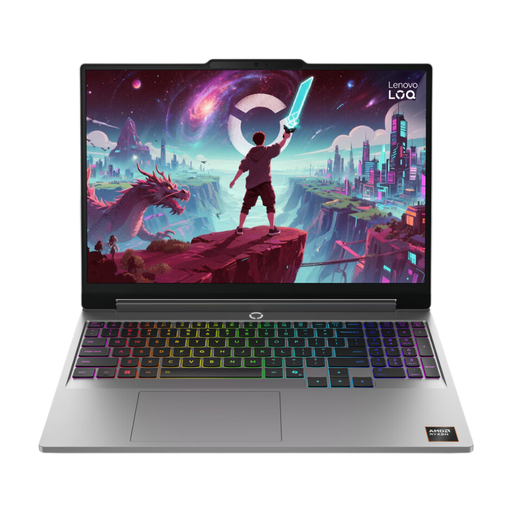
Lenovo LOQ 15AHP11, Ryzen 7 250, RTX 5070, 16 GB, 512 GB SSD, QWERTY
The listed 16 GB memory and 512 GB SSD are worth considering when choosing a laptop for a local development workflow.
The product information lists a 15.3-inch screen, a weight of 2.1 kg, USB-C with DisplayPort and HDMI 2.1. Check that the connections are compatible with the monitor at your workspace.
View at Joybuy
 No image available
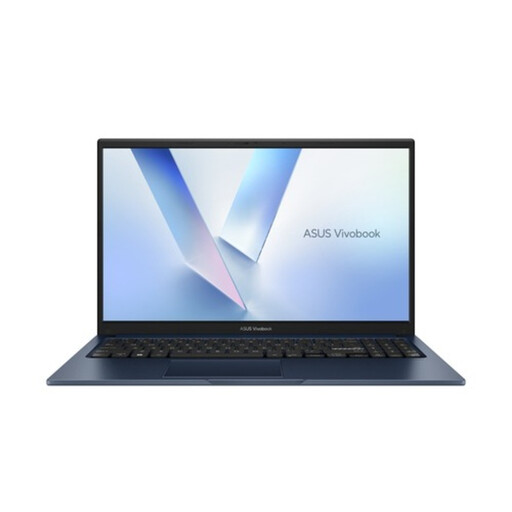
ASUS Vivobook 15 X1504MA-BQ534W, Core 5 320, 8 GB RAM, 256 GB SSD, Quiet Blue, QWERTY
The listed configuration of 8 GB RAM and a 256 GB SSD may suit a browser-based workflow, provided the tools you need work on the device.
The product title lists a Full HD screen and a Windows laptop. Check that the stated capacity is enough for your local files and programmes.
View at Joybuy
 No image available
Lenovo V15 G5 IRL, 15.6-inch FHD, Intel Core i5-13420H, 16 GB DDR5, 512 GB SSD, Windows 11 Pro
The listed 16 GB RAM and 512 GB SSD are relevant specifications if you use local files and development tools.
The product information lists USB-C with DisplayPort, Gigabit Ethernet and a weight from 1.61 kg. Check which connection your shared monitor uses.
View at Joybuy
 No image available
ASUS Vivobook 15 X1504MA-BQ588W, Core 3 304, 8 GB RAM, 256 GB SSD, Quiet Blue, QWERTY
The listed 8 GB RAM and 256 GB SSD are specifications to compare if you mainly work in a browser.
The product information lists a 15.6-inch Full HD screen and Wi-Fi 6. Check whether the exact model will work with the development tools you want to use.
View at Joybuy
 No image available
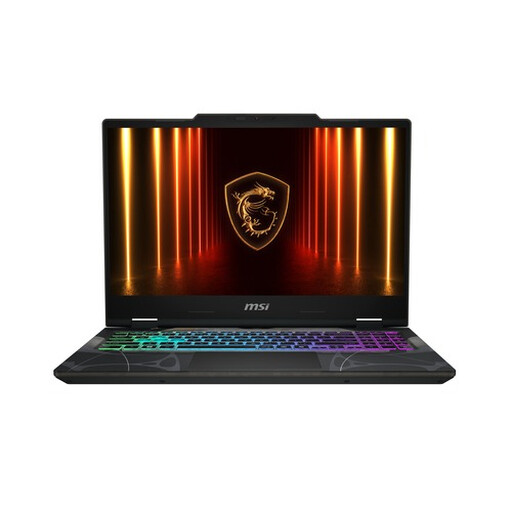
MSI Cyborg 15 B13WEKG-1223NL, 15.6-inch FHD 144Hz, Intel Core i5-13420H, 16 GB DDR5, 512 GB SSD
The listed 16 GB DDR5 memory and 512 GB SSD are specifications to compare with the requirements of your local tools.
The product information lists USB-C with DisplayPort, HDMI 2.1 and Gigabit Ethernet. The screen is listed as 15.6 inches; check in advance which port works with your desk equipment.
View at Joybuy
Frequently asked questions
Do I always need 16 GB RAM for a small website?
No, it depends on how you work. The Consumers’ Association (Consumentenbond) recommends 8 GB as a guide for everyday use and 16 GB for creative work with lots of programmes. First decide whether you mainly work in a browser or use local tools at the same time, then check the exact laptop configuration.
Can I install local development tools on a Chromebook?
You can use a Linux development environment if it’s available on your chosen device. Google says Linux is turned off by default and may not be available on work or school devices. Also check that your tools support this way of working.
How can I set up a laptop for extended work at a shared desk?
Check which monitor, keyboard and connections are available. According to Arboportaal, for employees who work at a screen for more than 2 hours a day, the screen and keyboard must not be joined together. When using a laptop, you must be able to use a separate screen or keyboard; this doesn’t mean every buyer has to purchase accessories.
Who should I contact if a laptop bought in the Netherlands develops a fault?
Contact the retailer. According to the Dutch government, when you buy as a consumer you’re entitled to a product that works as it should; any manufacturer’s warranty offered doesn’t replace this legal right.
Can I return a laptop bought online?
For distance sales, the cooling-off period is usually 14 days, according to the Dutch government. Check the terms that apply to your purchase; this general rule doesn’t confirm the terms of any particular offer.


