What should you look for when buying?
First decide which screen you’ll use to assess black-and-white tones. Then consider the RAW configuration, and finally check the connections and how the laptop will work in your shared workspace.
| What to consider |
What should you check? |
Who should give this more weight? |
| Consistent black-and-white tones |
Check the panel on the exact configuration and whether you can calibrate the screen you’ll use for assessment. |
If light and dark portrait tones are my first consideration, I want to know exactly which screen I’ll be using. Around 36% of consumers give tonal reproduction top priority. |
| RAW performance and storage |
Compare the memory and SSD capacity of the full model code with your software, files and archiving method. |
If you work with large RAW batches or several edits at once, you’ll want memory and storage that suit your workflow. Around 29% of consumers prioritise their RAW workflow. |
| Connections and accounts |
Compare the laptop’s ports with the available screen and peripherals; if the computer is shared, set up separate accounts. |
If I use the same computer as other people, I want to keep my sessions and files separate and connect everything to the desk screen. Around 21% of consumers prioritise desk compatibility. |
| Moving and setting up again |
Compare the screen size with the workspace you need and check which charging and screen cables are available at the desk. |
If I often need to clear the workspace, I want a laptop that’s easy to take with me so I can carry on working elsewhere. Around 14% of consumers give portability top priority. |
Joybuy laptops for this workspace
This Joybuy selection includes laptops with a range of screen sizes and stated memory and storage configurations. Check each configuration to see whether its screen and connections suit your assessment setup and shared desk.
 No image available
Acer Nitro 18 AI AN18-61-R25V
Worth considering if you want a large built-in screen; the screen specifications alone don’t prove that tonal reproduction is calibrated.
18-inch WQXGA IPS screen, 16 GB DDR5 memory and 1 TB SSD.
Joybuy
 No image available
Lenovo Legion 5 15AHP11
Worth comparing if you want to work on the built-in screen; check the screen settings before assessing tonal differences.
15.3-inch WQXGA OLED screen, 16 GB DDR5 memory and 512 GB SSD.
Joybuy
 No image available
ASUS Zenbook A16
Worth comparing if you’re looking for a 16-inch laptop; check the panel specifications and compatibility with your desk screen.
WUXGA screen, 16 GB memory and 512 GB SSD.
Joybuy
 No image available
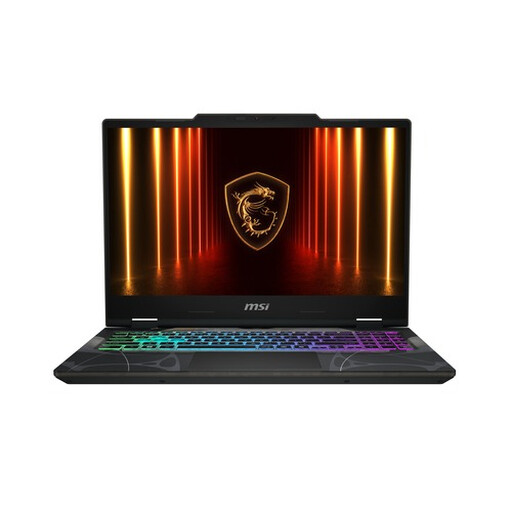
MSI Cyborg 15 B13WEKG-1223NL
Worth comparing if you want to work with photo files and an external desk screen; check that the ports suit your equipment.
15.6-inch Full HD screen, Intel Core i5-13420H, 16 GB DDR5 memory and 512 GB SSD.
Joybuy
 No image available
MSI Prestige 16 AI+ C3MG-236NL
Worth comparing if you regularly work on larger edits; assess the built-in screen separately from the memory configuration.
16-inch 2.8K OLED screen, 32 GB LPDDR5x memory and 1 TB SSD.
Joybuy
Frequently asked questions
Do you need an OLED screen for black-and-white portraits?
No. The screen type alone doesn’t determine whether you can assess your portraits reliably. Choose the screen you’ll use to view the final image, calibrate it and check the screen configuration against the full laptop model code.
How do I set up a laptop if other people use the same computer?
Create separate user accounts and sign out when you’ve finished working. Microsoft Support explains how accounts in Windows can keep personal files and settings separate. Sharing a desk alone isn’t the same as sharing a computer.
Do I need extra cover for a laptop in the Netherlands?
No. Your statutory guarantee applies alongside any guarantee offered by the seller or manufacturer. According to ACM ConsuWijzer, the period depends on what you could reasonably expect from the product; there isn’t one standard two-year period for everything.
Can I try out a laptop bought online before deciding?
For eligible online consumer purchases, ACM ConsuWijzer says you’ll generally have a 14-day cooling-off period from delivery. Exceptions and the conditions for trying out the product still matter; before returning it, make sure your own files and accounts have been securely removed.
Can I edit or publish recognisable portrait photos at a shared desk?
The Dutch Data Protection Authority says that identifiable people in photos are personal data. It describes a domestic exemption for private use that remains private or is shared within a very limited circle. For business use or wider publication, you need a lawful basis under the GDPR, such as consent. What applies depends on how the photos are used and the circumstances, not on the laptop model.


