
Vandaag of morgen in huis

Kwaliteit gegarandeerd

Welkomstaanbiedingen ontgrendelen: GRATIS bezorging | Tot 80% korting | Gratis 30 dagen JoyPlus-proefperiode
Download de app
A good laptop backpack is essential. Whether you're commuting to the office or campus daily, heading out for a weekend getaway, or planning a serious hiking expedition, you need your gear to stay safe and organised. However, the market is flooded with bags that overpromise and underdeliver. As a Joybuy Product Recommendation Officer, I'll help you cut through the marketing hype and find a backpack that's genuinely right for you.
Before making a choice, it's crucial to recognise the common pitfalls. Many backpacks give out after just a few months, fail to stand up to a downpour, or offer inadequate protection for your valuable laptop.
To make a durable and functional choice, focus on a few core specifications. These will determine if a backpack is right for your lifestyle, whether you need a school backpack, a work backpack, or a travel backpack.
The material determines the backpack's durability and how well your belongings are protected from the elements.
A backpack's capacity is measured in litres. The right size depends on your daily needs.
Intelligent organisation is just as important as volume. Look for separate, padded compartments for your laptop and tablet, and smaller pockets for keys, pens, and your phone.
A heavy backpack without proper support can lead to back and neck pain.
Below are a few models that align well with specific user profiles, based on their objective specifications.
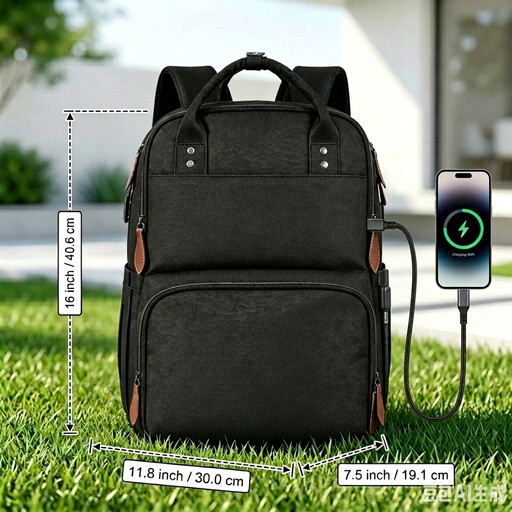
Why This Fits Their Persona: Perfect for the professional who commutes to the office daily. This bag combines a work backpack with a lunch bag, so you don't have to carry two separate items. It keeps your meal cool and your laptop secure.
Instead of being a mere gimmick, the insulated compartment is a functional feature that solves a real problem. The laptop compartment is separate and padded, offering better protection than a simple sleeve.
Insulated compartment: Keeps food at temperature for 2-4 hours. Smart organisation: Includes an anti-theft back pocket and a USB charging port.
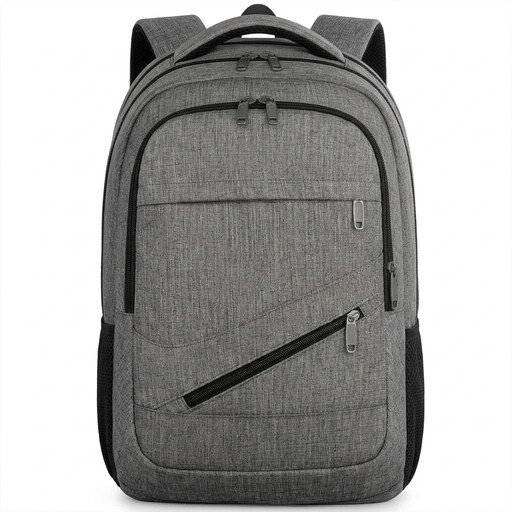
Why This Fits Their Persona: Designed for the frequent traveller. Its large capacity, separate 17-inch laptop compartment, and travel-friendly features make it a reliable partner for business trips or city breaks.
The anti-theft claim is supported by a genuinely hidden back pocket. The TSA-friendly design, which unzips to lay flat 180 degrees, is a practical feature that speeds up airport security screening.
TSA-friendly: Lays flat for quick inspections. Large capacity: Spacious main compartment and a separate pocket for laptops up to 17 inches. Includes a luggage strap for securing to a suitcase.
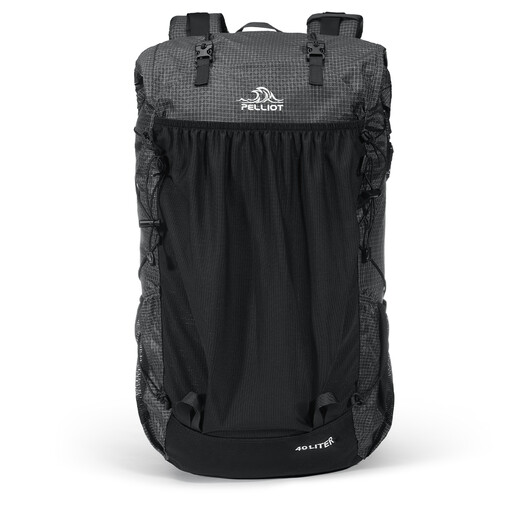
Why This Fits Their Persona: Specifically built for multi-day treks. This backpack focuses on carrying comfort and weight distribution, which are essential for carrying heavy loads over long distances. A standard backpack simply isn't designed for this purpose.
While a standard backpack can cause back pain, this model tackles the issue with a built-in frame and a dynamic harness. According to the manufacturer, Pelliot, this system transfers the weight to the hips, taking the strain off your shoulders.
Ergonomic carrying system: Lightweight alloy frame and a 3D breathable back system for comfort. Durable and functional: Abrasion-resistant fabric, 40L capacity, and attachment points for trekking poles and a sleeping mat.
A backpack is a personal choice. If the models above aren't exactly what you're looking for, explore our full collection. We've curated an up-to-date list of products that meet our strict selection criteria.
For daily use (work or school), a backpack between 20 and 30 litres is usually sufficient. This can hold a 15-inch laptop, a few books, a lunch box, and accessories. For short trips or if you carry a lot of gear, a model of 30 litres or more is a better choice. Always check the laptop compartment's dimensions to ensure your specific model will fit.
Water-resistant means the fabric is treated with a coating that repels light rain. The material will eventually become saturated and leak during sustained downpours. Waterproof means the material and construction (like sealed zippers) will not let water penetrate, even in heavy rain. For daily commuting, a highly water-resistant bag is often sufficient, but for outdoor activities, a waterproof backpack is recommended.
A USB port on a backpack is simply a pass-through: you connect your own power bank on the inside, allowing you to charge your phone from the outside. It's a convenient feature if you're often on the go and want to use your phone while it's charging. However, it is not a built-in charger. Whether it's worth it depends on your personal preference for convenience. The extra cost is typically minimal.
