
Vandaag of morgen in huis

Kwaliteit gegarandeerd

Welkomstaanbiedingen ontgrendelen: GRATIS bezorging | Tot 80% korting | Gratis 30 dagen JoyPlus-proefperiode
Download de app
A laptop backpack needs to do more than just carry your laptop. In the UK, you’ll face rain, crowded commuter trains, busy tube carriages and ever-changing loads on your daily journey. The right bag protects your equipment, stays comfortable to carry and offers enough space without being unnecessarily bulky.
However, there are some common pitfalls to watch out for. Marketing terms like “waterproof”, “anti-theft” or “large capacity” don’t always tell you exactly what you need. So always check the product specifications and match the backpack to your daily routine.
A 15.6 inch laptop backpack isn’t automatically suitable for every 15.6 inch laptop. The external dimensions of a laptop and the size of the laptop compartment can vary. So don’t just look at the screen size – also check the internal measurements or the recommended dimensions in the product information.
A laptop with a wide chassis, an extra-thick protective case or gaming hardware may need more room than a slim office computer.
A water-repellent backpack can offer protection against light rain or splashes. That doesn’t automatically mean the bag can handle prolonged heavy rain or submersion. According to the product description from Beneunder, the fabric used is resistant to wind, rain and stains. The manufacturer also states that the bag should be cleaned with a damp cloth and not machine-washed.
If you’re cycling a long distance in heavy rain, consider using a separate rain cover. Also pay attention to zips and seams – that’s where water can get in.
A spacious backpack sounds appealing, but a large main compartment without dividers can be impractical. Loose chargers, documents and accessories quickly get jumbled together. Look for a backpack with multiple compartments, a separate laptop sleeve and a quick-access front pocket.
Also consider expandability. An expandable backpack can be handy when some days you only need a laptop and lunch, but on other days you need extra clothes or sports kit.
Check that the laptop compartment closes fully and is sufficiently padded. A raised laptop compartment can help prevent the bottom of your laptop from hitting the ground when you set the bag down. For school, office and commuting, room for a tablet, A4 documents and a charger is also practical.
For daily use, a capacity of around 10 to 20 litres is often a good choice. According to the product specifications, the Beneunder LC183 has a capacity of 10 litres, expandable to 13 litres, and weighs approximately 8.3 oz, which is around 235 grams. That suits a lightweight backpack for a limited daily load.
For business trips or short breaks, 25 to 35 litres may be more practical. A bag of 45 or 50 litres is more suited as a walking backpack, hiking backpack or outdoor travel backpack, and can be unnecessarily large for daily commuting.
Look at padded shoulder straps, a chest strap and possibly a hip belt. The right choice depends on the weight you’re carrying. A business backpack for a laptop, documents and accessories requires a different carrying system than a walking backpack with camping gear.
Place heavy items close to your back and adjust the straps so the bag doesn’t hang too far back. That makes cycling, walking and changing trains or tubes more comfortable.
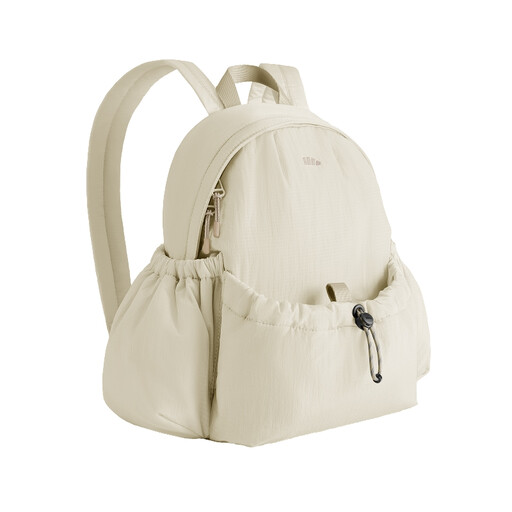
Why this fits the profile: The compact capacity and low weight suit students, school pupils and commuters who only carry basic essentials each day.
The capacity is clearly stated: 10 litres in standard mode and 13 litres when expanded. According to the product description, the fabric is resistant to wind, rain and stains.
Expandable design, hidden pockets, nylon material and dual pressure-relieving shoulder straps according to the product information.
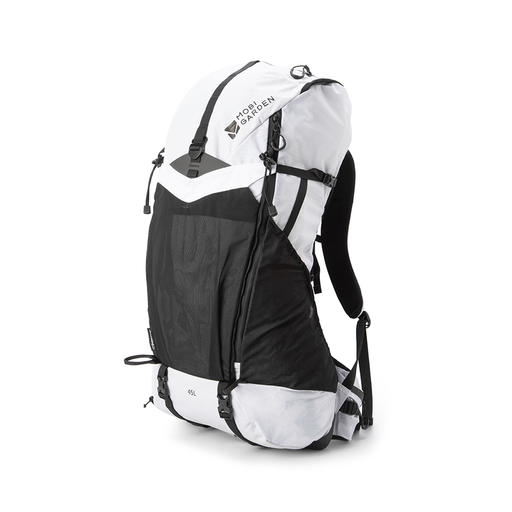
Why this fits the profile: This bag is aimed at hikers and travellers who carry several days’ worth of gear and value a structured carrying system.
The 45-litre capacity, weight of approximately 1.35 kg and separate hydration sleeve are clearly specified. This prevents “large capacity” being interpreted without a size reference.
Dyneema composite fabric, 3D ventilated back panel, hip belt, chest strap and attachment points for walking poles according to the product description.
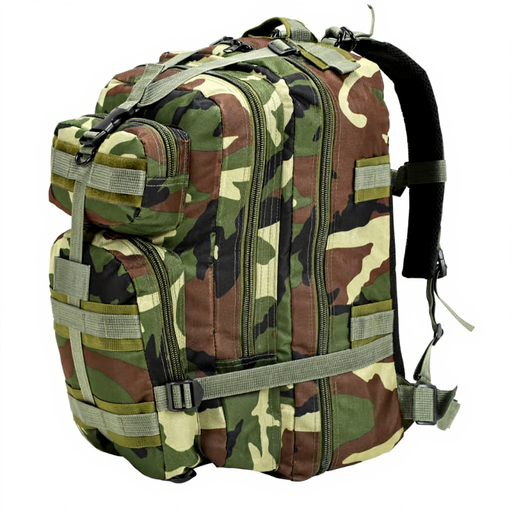
Why this fits the profile: The capacity and layout are suitable for outdoor enthusiasts, campers and travellers who carry a lot of gear.
The manufacturer states 50 litres capacity, four compartments, dimensions of 30 × 33 × 50 cm and a weight of 1.15 kg. This makes the practical size easier to judge in advance.
Coated Oxford material, adjustable shoulder straps, chest strap, hip belt and mesh back panel according to the product data.
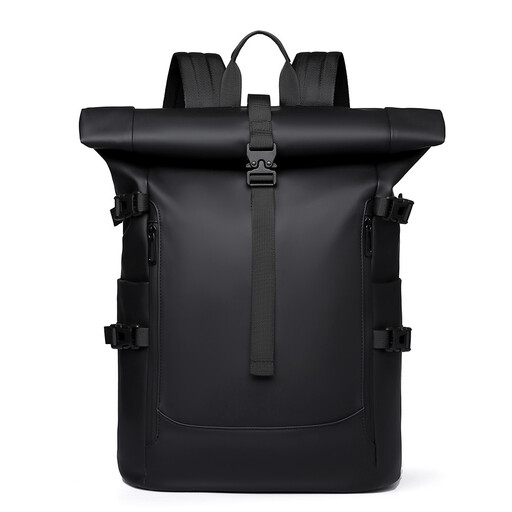
Why this fits the profile: The roll-top design suits daily commuting, cycling and city travel where the load can vary.
The product title states both 15.6 inch and water-repellent material. However, check before purchase whether the internal dimensions fit your laptop.
Roll-top closure, multiple straps, large main compartment and water-repellent finish according to the product listing.
We’ve put together a full, up-to-date list of products that fully meet these strict selection criteria and comply with current European safety regulations.
No. The size usually refers to the screen diagonal, not the full chassis. So compare your laptop’s dimensions with those of the laptop compartment. Allow for a protective case or extra-thick base.
The lifespan depends on the material, zips, seams, load and usage conditions. Don’t overload the bag, place sharp objects in a separate compartment and follow the care instructions. For many models, cleaning with a damp cloth is recommended rather than machine washing.
For a laptop, charger, lunch and a few documents, a compact bag of around 10 to 20 litres is often sufficient. If you carry clothes, sports kit or travel essentials, it’s better to look at an expandable backpack or a model of 25 litres or more. For multi-day walking trips, a hiking backpack of 45 litres or an outdoor backpack of 50 litres makes more sense than a business backpack.
