
Editors with large audio archives
You store long interviews, music and previous recordings, so you need local space for source files, projects and exports. The Audacity manual recommends storing active projects locally.


Start with enough space on the internal SSD for source files and active projects, then choose a processor and memory to suit the number of tracks and effects you use. If you record with an audio interface, check that the ports and software are compatible. A compact model is easier to carry around, while a larger screen gives you more room for your timeline.
You store long interviews, music and previous recordings, so you need local space for source files, projects and exports. The Audacity manual recommends storing active projects locally.
You combine voices, jingles and effects. Choose a processor and memory to suit the number of tracks and plug-ins in your workflow; Ableton notes that system requirements depend on these factors.
You take your laptop with you and may want to connect an audio interface or other equipment. Check the size, ports and drivers required by your recording equipment.
First, check how much SSD space is free for your active projects, then consider the demands of your editing work, followed by connectivity and portability. The Audacity manual links storage needs to factors including recording quality and file format; Ableton emphasises that the computer performance you need depends on your workflow, tracks and plug-ins.
| What to consider | What should you check? | Who is this important for? |
|---|---|---|
| Storage for source files | Check the SSD capacity and how much space will be left after installation. Store active Audacity projects locally and plan separate backups. | If you want to keep long recordings and project copies, local storage is likely to be near the top of your list. Around 36% of consumers put space for large audio files first. |
| Tracks and effects | Compare the processor and RAM with the requirements of your editing software and the size of your projects. Ableton's RAM recommendations apply to Live and don't automatically apply to other software. | If you combine lots of voices, jingles and effects, you'll want a configuration that suits your projects. Around 29% of consumers give multi-track performance top priority. |
| Ports and compatibility | Make a note of the connectors on your interface and other equipment, then check the port types on the exact model. Also check that your interface and software work with the operating system. | If you use an interface or other peripherals while recording, you'll want to connect them without unnecessary adapters. Around 21% of consumers put equipment compatibility first. |
| Portability and screen | Weigh up the size against how much screen space you need for your timeline and files. Apple offers MacBook Air models with 13- and 15-inch screens. | If you take your laptop with you often, a smaller model may be more practical; if you edit in one place, extra screen space could be more useful. Around 14% of consumers give portability top priority. |
Source files, projects and edits also take up space while you work. The Audacity manual advises against storing active projects on an external USB drive, network storage or personal cloud storage.
Work out how much storage you need based on your own recordings and project copies. Leave space free on the internal drive and keep a backup separate from the active project.
A Techboer ranking lists seven USB ports for the HP EliteBook Ultra G1i. For the B69B8ET configuration, HP specifies three Thunderbolt 4 ports and one USB-A data port. Check the full product code rather than making assumptions about the whole product range.
Compare the types and number of ports on the configuration being sold with the connections on your interface, controller and storage equipment.
Ableton lists a dedicated GPU as an optional feature for video work. For audio editing, the performance you need depends on factors including tracks and plug-ins.
If you only work with audio, compare software compatibility, local storage, memory and ports first. Consider graphics capabilities separately if you also edit video.
The MacBook Air range includes 13- and 15-inch models for editing on macOS; the product information reviewed describes the M5 range.
The Zenbook 14 UX3405CA is a compact Windows range, while the ProArt P16 range is designed for more demanding creative work, including image editing.
The EliteBook Ultra G1i is a compact business Windows range that may suit you if you want to connect several devices.
The IdeaPad Slim 3 15IRH10 is a larger Windows range to compare if screen space and standard connections matter to you.
The Dell Pro 14 Plus PB14250 is a 14-inch business Windows laptop to compare with consumer models.
These Joybuy picks are laptops with SSD storage. Compare the listed storage, memory, processor, connections and screen size with your own audio projects and recording equipment.
 No image available
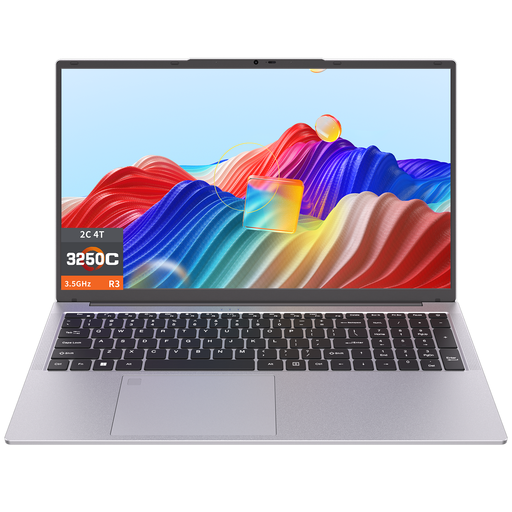
The 17.3-inch screen could suit a fixed editing setup where you want extra screen space.
The product description lists an AMD 3250C processor, 8 GB DDR4 RAM and a 512 GB SSD. If you use Ableton Live, note that Ableton lists 8 GB as a requirement and recommends 16 GB or more.
 No image available
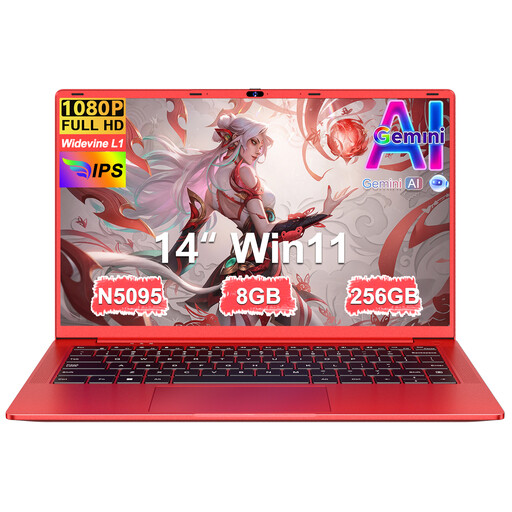
The 14-inch version could suit you if you're looking for a smaller screen and want to compare the listed connections with your own equipment.
The product information lists an N5095 processor, 8 GB RAM and a 256 GB SSD, expandable to 1 TB. It also lists USB 3.0, Type-C and Mini-HDMI. If you use Ableton Live, bear in mind that Ableton recommends 16 GB RAM or more.
It depends on the software and the size of your project. Ableton lists 8 GB as a requirement for Live and recommends 16 GB or more; don't treat this as a fixed limit for all audio software.
Audacity advises against storing active projects on an external USB drive, network storage or personal cloud storage. Work locally, make a separate backup and check how much free SSD space your project needs.
Yes, if you want to play or submit your edit outside Audacity. An Audacity project file can't be played in other audio apps, so export a separate file and follow any format or loudness requirements set by the broadcasting platform.
No. According to the Dutch government, there's no fixed term for the statutory guarantee in the Netherlands; what you can expect depends on factors including the product, its price and the information provided. If a product is faulty, contact the seller. Online consumer purchases generally also come with a 14-day cooling-off period; check whether your purchase is covered by the distance-selling rules.
No. According to the Dutch government, owning a copy for personal use doesn't give you permission to distribute or make copyright-protected music available to the public. Before broadcasting, check what permissions or other rights you need for the material and how you plan to use it.