
Editor managing lots of project versions
You want to be able to find your source recordings and earlier editable versions. Audacity distinguishes between saving a project and exporting audio, so plan storage for your projects and a separate backup.


First, choose a laptop that can run your audio software and any plug-ins you use. Then work out how much space you need for source recordings, editable project versions and a separate backup. A lightweight laptop may be enough for basic audio editing; if you use lots of tracks, effects or connected equipment, memory, processor performance and ports matter more. An exported audio file is no substitute for an editable project.
You want to be able to find your source recordings and earlier editable versions. Audacity distinguishes between saving a project and exporting audio, so plan storage for your projects and a separate backup.
You work with multiple recordings, projects or effects and want your software and laptop to suit your workflow. REAPER supports features such as multiple projects in separate tabs; the capacity you need depends on your projects and plug-ins.
You take your laptop with you and may connect an audio interface and external drive. So, alongside size and weight, consider whether it has the right ports and is compatible with your software.
First check your audio software and plug-ins, then plan your storage and backups, and finally compare the laptop’s configuration and connections with your projects and equipment.
| What to consider | What should you check? | Who is this important for? |
|---|---|---|
| Project versions and storage | Work out how much space your source files and versions take up; check the SSD capacity and plan a separate backup. | If you want to be able to pick up earlier edits again, prioritise storage for your projects and source recordings. Around 36% of consumers say project versions are their biggest concern when buying. |
| Editing capacity | Compare the memory and processor configuration with the requirements of your software and plug-ins; don’t automatically apply video requirements to audio-only work. | If you work with multiple tracks, projects or effects, you’ll want a configuration that suits the workload. Around 29% of consumers prioritise the capacity needed for more demanding audio projects. |
| Software and connections | Check operating system and plug-in compatibility; compare the number and type of ports with your audio interface and external drive. | If you want to keep using your existing software and equipment, check that they’ll work together before you buy. Around 21% of consumers give compatibility and connections top priority. |
| Portability | Decide whether you’ll work away from a power socket and which devices you want to connect at the same time. | If you take your laptop to different places to edit, its size and connection options matter too. Around 14% of consumers put mobile use ahead of their other buying concerns. |
An exported audio file is not the same as an editable project. Without the project and the necessary source files, you may not be able to reopen an earlier edit.
Keep source recordings, project versions and exports separately, and back them up somewhere other than your only working copy.
The number and type of connections vary by model. Connecting an audio interface and external drive at the same time may therefore require different or additional connections.
Compare your equipment’s plugs with the port list for the exact laptop configuration.
You may need a suitable adapter or hub.
Additional cover is a separate offer and does not replace your statutory rights. For a faulty product, the seller must provide a solution, according to the Dutch Government.
Before deciding, compare the terms of any extra cover with your existing statutory rights.
The MacBook Air M5 is a compact macOS option if your audio software and plug-ins work on Apple Silicon.
The ThinkPad T14 Gen 6 AMD is a Windows range worth considering if you’re looking for a variety of built-in connections.
The Zenbook 14 OLED UX3405 range is a compact Windows option to compare with other 14-inch laptops.
These Joybuy laptops give you options to consider when weighing up internal storage, memory and size for audio projects with multiple versions. For each model, check that your software and plug-ins will work and that its connections suit your equipment.
 No image available
A compact option to take with you if you want to work on audio projects while you’re out and about.
AMD Ryzen AI 5 processor, 16 GB RAM and 512 GB SSD. The stated weight is 1,46 kg.
 No image available
A 16-inch option to compare if screen size and storage space matter for your editing work.
WUXGA OLED screen, Snapdragon X processor, 16 GB LPDDR5X memory and 512 GB SSD. Windows 11 Home.
 No image available
A compact model to take with you; check in advance that you can connect your audio interface and external storage.
Snapdragon X Plus, 16 GB memory and 512 GB SSD. The stated weight is 1,34 kg.
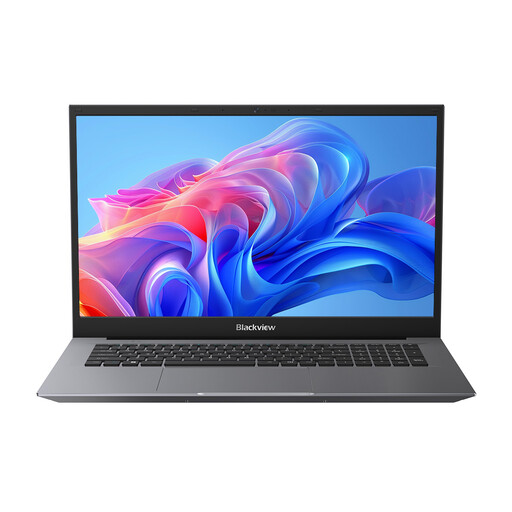 No image available
A model with several listed connections to compare if you want to connect peripherals.
18.5-inch LCD screen, Intel Pentium Silver N6000, 16 GB DDR4 memory and 512 GB SSD. The description lists three USB-A ports, USB-C and HDMI; Windows 11 Pro.
 No image available
An 18-inch gaming laptop to compare if you use other demanding software as well as audio tools; its gaming focus alone is no reason to choose this model for audio editing only.
AMD Ryzen AI 7 350, GeForce RTX 5060 8GB GDDR7, 16 GB DDR5 memory and 1 TB SSD. WQXGA 165Hz IPS screen; Windows 11 Home and QWERTY keyboard.
No. Audacity distinguishes between saving an editable project and exporting audio. Keep the project and the necessary source files too; the backups and version history Audacity describes for cloud projects don’t automatically apply to other programmes.
Check that each plug-in’s version and processor architecture are compatible with your audio software. Audacity, for example, warns that the Apple Silicon version cannot run Intel plug-ins.
No. Audacity has noise reduction tools, but also recommends preventing noise during recording. A more powerful laptop therefore doesn’t guarantee that a problematic source recording can be fixed.
According to the Dutch Government, when you buy from a business online, you’ll often have a 14-day cooling-off period. You’re also entitled to a product that is of satisfactory quality; if there’s a problem, the seller must provide a solution. Check the terms of any extra cover: it doesn’t replace your statutory rights.