Choose a laptop based on the files you download and the software you use to read or search them. A larger screen gives you more room to view scans alongside your notes, while a more compact model is easier to take with you. Before choosing an operating system, also check the storage, file management, software and ports on the exact configuration.
Who is this choice relevant to?
Collector of downloaded archive material
If you store lots of scans or PDFs locally and want to find them offline, choose storage that suits the size of your collection. Don’t keep important files only in your downloads folder. For scans from the National Archives, downloads are only available for material with a download button and the label ‘Public domain’ or ‘CC0’.
Reader of maps and scans
If you compare details in archival images with your notes, you’ll need to weigh up having more screen space against choosing a laptop that’s easier to carry. The National Archives explains how to view scans, move around them and select cropped sections.
Researcher using specialist software
If you use specific programmes or existing storage devices, it’s worth checking in advance that the operating system and ports on your chosen configuration are compatible.
What should you look for?
Windows laptop
A good fit if: your required research programmes run on Windows, or you want to manage local files and devices on your laptop.
Bear in mind: check the ports and whether the exact configuration has Windows in S mode, which initially restricts the installation of apps from outside the Microsoft Store.
MacBook with macOS
A good fit if: you use macOS and your required research software runs on it.
Bear in mind: Apple lists two Thunderbolt 4/USB-C ports for the current 13-inch base configuration. Check whether you’ll need an adaptor for existing USB-A storage devices.
Chromebook
A good fit if: you mainly read files such as PDFs and images, and your required programmes run on ChromeOS.
Bear in mind: Google warns that a Chromebook may sometimes delete downloads to free up space, so don’t automatically rely on it as your only place to store files.
The main considerations are local storage, room to read scans, compatibility with software and devices, and portability.
| What to consider |
What should you check? |
Who should pay extra attention? |
| Local storage and keeping files safe |
Compare the size of your files with the storage on the exact configuration, and keep important downloads in a second location too. |
If I want to find lots of scans and PDFs offline, I focus on the available storage; around 36% of consumers say local storage is their main buying concern. |
| Screen space for scans |
Compare the screen size and resolution of the exact configuration, and think about where you’ll usually be reading. |
If I compare details in scans with my notes, I want enough room on screen; around 29% of consumers prioritise reading space. |
| Software and ports |
Check that your required programmes work and that the ports are compatible with your storage devices. |
If my research software or existing storage devices are a deciding factor, I check compatibility before buying; around 21% of consumers make software and ports their main priority. |
| Taking it to research locations |
Compare the size and weight of the exact configuration, and check whether you’ll have access to a power socket where you’ll be using it. |
If I often take my laptop between locations, size and weight matter a lot; around 14% of consumers prioritise portability. |
Pitfalls to avoid
-
Keeping your only archive copy in the downloads folder
Google warns that Chromebooks may sometimes delete downloads to free up space. This means important files may not remain available on the laptop.
Check where your downloads are saved and keep important material in a second location too.
You may need a second place to store files or external storage to keep separate copies.
-
Checking software and ports only after you’ve bought it
The programmes you need and the storage devices you already own help determine whether a laptop will fit into your workflow. Windows in S mode initially restricts the installation of apps from outside the Microsoft Store.
Make a list of the programmes and connections you need in advance, and check them against the exact configuration.
-
Assuming a bigger screen or a higher ranking is automatically better
A 17.3-inch laptop and a compact 14-inch configuration suit different preferences. The Student Guide ranking covers student laptops in general, not specifically for offline archive research.
Choose based on your files, workspace and need to take the laptop with you. Use a general ranking as no more than a starting point for further comparisons.
Brands to consider
Acer
The Aspire 17 NX.J02EH.003 is worth considering if screen space is important when reading scans.
- For this configuration, Acer lists a matt 17.3-inch IPS screen with 1920 × 1080 pixels, 16 GB of memory and a 1 TB SSD.
- This configuration is not the same as the Acer model mentioned in the external student ranking.
Lenovo
The IdeaPad Slim 5 14IRH10 series is a compact Windows option to consider if you manage files and want to connect storage devices.
- Lenovo lists USB-A, USB-C, HDMI and a microSD reader for the series, with 512 GB and 1 TB SSD options.
- These are options across the series; check the full model number to see which screen, memory and storage configuration applies to a specific model.
ASUS
The Vivobook Go 15 and Chromebook CM14 Flip show how the operating system can be an important point of difference.
- The official ASUS specifications show a range of storage, screen and memory options across these product families.
- The specifications consulted are for the US market and don’t confirm the exact Dutch configuration featured in the external ranking.
Apple
The MacBook Air with macOS is a compact option to consider if your required research software runs on it.
- For the current 13-inch M5 base configuration, Apple lists 16 GB of unified memory, a 512 GB SSD and two Thunderbolt 4/USB-C ports.
- These current M5 specifications don’t automatically apply to the older M4 configuration in the external student ranking. Check whether you need an adaptor for USB-A devices.
Joybuy laptops for archive research
These laptops are suited to storing and reading downloaded documents locally, with options to suit different needs for screen space, storage and portability.
 No image available
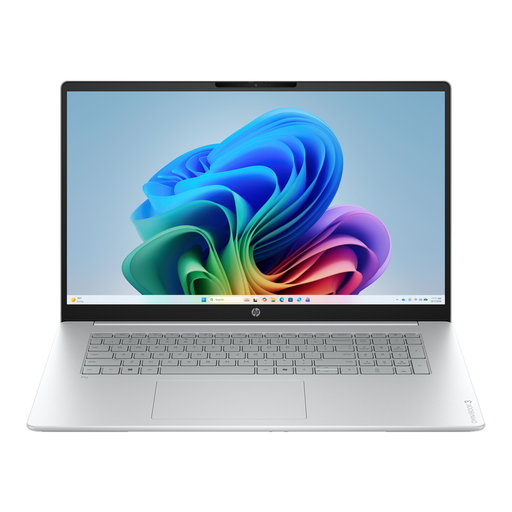
HP OmniBook 3 AI PC 17-dg0005ndx
Ideal if you want to read scans on a large built-in screen and store downloads locally.
17.3-inch Full HD IPS screen, 12 GB of memory, 512 GB SSD and Windows 11 Home. The description lists two USB-A and two USB-C ports, and says that an AC adaptor is not included.
View at Joybuy
 No image available
Lenovo IdeaPad Slim 3 14AHP10
Ideal if you want to combine local storage with a 14-inch laptop for reading documents on the go.
14-inch WUXGA screen, 16 GB of memory, 1 TB SSD and a stated weight of 1.39 kg.
View at Joybuy
No image available
Lenovo ThinkBook 16 G8 IAL 21SK00EBMH
Ideal if you value a spacious screen, local storage and ports for your existing devices.
16-inch WUXGA IPS screen, 16 GB of memory and 512 GB SSD. The description lists USB-A, USB-C, HDMI, an SD card reader and a weight of approximately 1.70 kg.
View at Joybuy
 No image available
Apple MacBook Air 15-inch M5 16GB 512GB, Starlight
Ideal if you want a spacious screen with a MacBook Air running macOS.
15.3-inch display, 16 GB of memory, 512 GB SSD and two Thunderbolt 4 ports. The description says that a USB-C power adaptor is not included.
View at Joybuy
 No image available
ASUS Zenbook A14 UX3407QA-QD479W
Ideal if you want a lightweight 14-inch laptop to take with you and store documents locally.
14-inch WUXGA OLED screen, 16 GB of memory, 512 GB SSD and a stated weight of approximately 0.98 kg. The description says that the required compatible 65 W USB-C charger is not included. Compatibility with older software, specialist peripherals and some professional programmes may vary on Windows on Snapdragon.
View at Joybuy
Frequently asked questions
Can I study archive scans without an internet connection?
Yes, if you’re allowed and able to download the files, and your laptop can open their file types. The National Archives offers a download button for certain scans; not every archive item shown can be downloaded. Google lists PDFs and images as file types a Chromebook can open, but warns that downloads may sometimes be deleted to free up space.
What should I check before using my research files on a laptop?
Test some representative PDFs and images, the programmes you need and the connection for your storage device. If you have a Windows laptop in S mode and need an app from outside the Microsoft Store, Microsoft describes a free switch that can’t be reversed.
Can I republish any archive photo I’ve downloaded?
No, don’t assume there’s a general right to reuse it. The National Archives says its copyright waiver applies only to images with a download button and the label ‘Public domain’ or ‘CC0’. For material from other archives, check the terms set by the relevant source.
Is the statutory guarantee on a laptop bought in the Netherlands always exactly two years?
No. ACM ConsuWijzer states that the law doesn’t set a fixed period for the statutory guarantee; this depends, among other things, on what you can reasonably expect from the product under normal use. If a product breaks too soon, the retailer is responsible for providing an appropriate remedy under the law.
Do I have a cooling-off period if I buy a laptop online?
Consumers often have a cooling-off period when shopping online, according to ACM ConsuWijzer. The terms and exceptions depend on the purchase, so check what applies to your order.


