Start with a laptop that runs your existing DAW, plug-ins and audio interface. Then choose based on whether you’ll only be editing recordings afterwards or recording on location too. A compact Mac may suit mobile editing with macOS-compatible software, while a Windows setup with the right connections may be a better fit for your software and equipment. For larger sessions, the specific processor, memory and storage configuration matters, but no single specification guarantees a particular mixing performance.
Who is this buying guide for?
Editing recital recordings
You receive recorded tracks and want to edit and mix them on a laptop. First, check that your existing DAW and plug-ins work with the operating system. REAPER states that it supports PC and Mac, but be sure to check your individual plug-ins too.
Recording on location
You’re recording the recital yourself using an audio interface. The connections you need, drivers and number of inputs on your interface all affect your setup. For example, Focusrite explains specific driver and ASIO settings for using a Focusrite interface with REAPER.
Mixing larger sessions
You’re expecting more tracks, effects or sample libraries, so you’re comparing the specific processor, memory and storage configuration. Lenovo recommends using its specification guidelines as a starting point, not as sufficient proof that a particular model is right for you.
What should you look for when choosing?
First, check that your existing software and equipment work together. Then match the connections and capacity to how you’ll record and mix the recital.
Compact Mac laptop
Best for: anyone using macOS-compatible DAW software and plug-ins, especially if they mainly edit existing recordings in different locations. Apple lists 16 GB unified memory, a 512 GB SSD and two Thunderbolt 4 ports for the 13-inch MacBook Air M5 configuration mentioned.
Bear in mind: check how you’ll connect your interface, external drive and any USB-A devices at the same time. Battery-life claims aren’t a measure of performance during a DAW session.
Windows laptop with a range of connections
Best for: anyone using Windows-dependent software or wanting to connect equipment via the ports on their chosen configuration. ASUS lists Thunderbolt 4, USB-A and HDMI for the Zenbook 14 OLED UX3405 family.
Bear in mind: having the right ports alone doesn’t confirm compatibility with your interface. Check the driver instructions for the exact model and operating system.
Configuration for larger mixing sessions
Best for: anyone expecting lots of tracks, effects or large sample libraries and wanting to compare the processor, RAM and SSD on offer with their own software requirements. HP lists various memory and SSD configurations within the Pavilion Plus 14-ew1000 series.
Bear in mind: check the full model code and configuration. A series page doesn’t tell you which configuration an individual product has.
| Consideration |
What should you check? |
Who should give this more weight? |
| DAW and plug-ins |
Note the exact DAW version, plug-ins and operating system requirements. REAPER lists support for PC and Mac, but that doesn’t mean every plug-in is automatically compatible. |
If I want to open existing projects, I first check that my software works on the system I’m considering. Around 33% of consumers prioritise compatibility with their own DAW and plug-ins. |
| Connecting an audio interface |
Check the ports, support for the exact interface and operating system model, and the driver instructions. Work out how many inputs you need based on your microphones and interface. |
If I’m recording on location, I want to know in advance whether I can connect my interface and other equipment together. Around 25% of consumers give connecting recording equipment their highest priority. |
| Capacity for your session |
Compare the processor, RAM and SSD configuration on offer with your DAW, plug-ins, session size and any sample libraries. |
For a mix with lots of tracks or effects, I want to match the configuration to my specific session. Around 25% of consumers prioritise capacity for larger mixing sessions. |
| Portability and accessories |
Compare the screen size, ports and included accessories for the exact configuration. Check whether your equipment requires any adapters. |
If I want to use my laptop at home and at a local performance, I consider how easy it is to carry and what else I’ll need to connect. Around 17% of consumers care most about a portable workspace and the associated costs. |
Buying points not to overlook
-
Assuming a DAW’s minimum specifications guarantee it can handle a large mix
A software minimum doesn’t tell you how many tracks and effects your recital project can handle without problems. Steinberg lists 8 GB RAM as the minimum for Cubase 15, but that isn’t a universal recommendation for every session.
Compare the exact laptop configuration with your DAW, plug-ins and expected project size.
-
Assuming the right USB plug is all you need
A connection alone doesn’t confirm that the interface will work with your operating system and DAW. The Focusrite setup described also involves drivers and settings.
Check support for the exact interface and operating system model, and make a test recording before the recital.
-
Assuming an extended warranty covers all your statutory rights
According to the Dutch government, statutory guarantees in the Netherlands have no fixed time limit. An additional warranty offers extra cover and doesn’t replace your rights against the seller.
Read what additional cover includes, and remember that you also have statutory rights if a product is faulty.
Brands to consider
Apple
Worth considering if you’re looking for a compact Mac setup for a macOS workflow. Apple lists 16 GB unified memory, a 512 GB SSD and two Thunderbolt 4 ports for the MacBook Air M5 base configuration mentioned.
- The configuration mentioned offers a compact 13-inch model.
- Check adapters and accessories; the stated battery life isn’t a measure of performance when mixing a recital.
ASUS
The Zenbook 14 OLED UX3405 family is an option to compare if you’re looking for a compact Windows workspace. Ports and configurations may vary by model.
- ASUS lists two Thunderbolt 4 ports, USB-A and HDMI on the family page.
- Check the full model code and specifications for the configuration you choose.
HP
The Pavilion Plus 14-ew1000 series shows why you should compare memory and storage for each configuration.
- HP documents configurations in the series with 16 or 32 GB onboard RAM and 512 GB or 1 TB SSD options.
- HP states that configurations vary by country and model, so check the specifications of the one you choose.
Lenovo
Lenovo’s buying guide can help you compare a laptop configuration with your music software and project size.
- The guide covers the processor, RAM, SSD, screen and audio connections as considerations.
- Lenovo presents its guidelines as a starting point, not proof of the performance of a specific model.
Joybuy products
These laptops are suited to Windows workspaces with connections for equipment, larger mixing sessions and mobile Mac editing. Check whether each model’s specifications suit your DAW, interface and project size.
 No image available
HP OmniBook 3 16-by0058ndx
A Windows laptop to compare if you want to connect existing peripherals; check the capacity required for your mixing session.
AMD Ryzen 5 7520U, 8 GB RAM, 512 GB SSD, 16-inch 2K IPS screen and Windows 11 Home. The 8 GB of onboard memory isn’t upgradeable.
View at Joybuy
 No image available
MSI Titan 18 HX AI A2XWJG-492NL
This configuration is worth comparing if you’re expecting a larger mixing session. Assess its capacity against your own DAW and projects.
Intel Core Ultra 9 285HX, 64 GB DDR5, 6 TB SSD, NVIDIA GeForce RTX 5090 24 GB and Windows 11 Pro. The stated weight is 3,6 kg.
View at Joybuy
 No image available
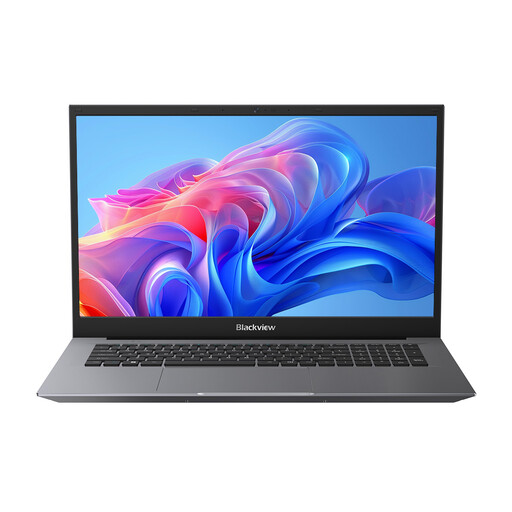
Blackview AceBook 10
A Windows configuration to compare with your DAW requirements and the connections on your recording equipment.
Intel Pentium Silver N6000, 16 GB DDR4, 512 GB SSD, 18.5-inch LCD screen and Windows 11 Pro.
View at Joybuy
 No image available
Apple MacBook Air 13-inch M5 24 GB 1 TB
A compact Mac configuration to consider if your DAW and plug-ins work with macOS. Check how you’ll connect your equipment beforehand.
M5 chip, 24 GB memory, 1 TB storage and QWERTY keyboard. The memory isn’t upgradeable.
View at Joybuy
 No image available
Apple MacBook Air 13-inch M5 16 GB 512 GB
A compact Mac configuration to compare for mobile editing with macOS-compatible software and equipment.
M5 chip, 16 GB memory, 512 GB storage and QWERTY keyboard. The memory isn’t upgradeable.
View at Joybuy
Frequently asked questions
Does a laptop for this recital need a minimum amount of RAM?
Not without knowing your DAW and project size. Steinberg lists 8 GB RAM as the minimum for Cubase 15; that’s a software minimum, not a universal recommendation for every mix. Compare your plug-ins and session with the exact configuration too.
How do you set up an audio interface if you’re recording on location too?
Follow the instructions for your specific model. For its USB interfaces in REAPER on Windows, Focusrite explains how to install the Focusrite driver and select the ASIO driver. On macOS, it explains how to select the interface as an audio device. Set up the inputs and outputs you need before recording.
What if the laptop doesn’t work properly after you buy it?
For a consumer purchase in the Netherlands, a product must meet what you can reasonably expect from it. According to the Dutch government, there’s no fixed statutory guarantee period, and the seller is your point of contact if a product is faulty. An additional warranty doesn’t replace those rights.
Can you publish the mixed recital recording too?
That depends on the repertoire, rights holders, how you publish it and whether personal data is involved; choosing a laptop doesn’t give you the right to publish. BumaStemra sets out separate conditions for using music at events and in livestreams. If an organisation publishes identifiable images of visitors, the Dutch Data Protection Authority highlights the GDPR and the need for an appropriate legal basis. For an audio-only recording, it isn’t automatically clear which privacy rules apply in your situation.


