
Learner with audio files
You’re short on free phone storage and want to repeat exercises without using your phone. So check whether your lesson files can be transferred and played on the headphones.


If you have transferable, supported audio files and want to play them without your phone, choose headphones with their own storage; Bluetooth or a cable alone won’t move downloads off your phone. If you listen through a learning app, consider fit, speech clarity and connectivity, and check where the app stores downloads. A closed-back design or noise cancellation can help in noisy places, while an open design is a good choice if you want to stay aware of your surroundings.
You’re short on free phone storage and want to repeat exercises without using your phone. So check whether your lesson files can be transferred and played on the headphones.
For example, you practise while travelling and want to follow spoken words without constantly turning up the volume. Fit and how the headphones handle background noise are important factors.
You listen for longer periods using a device you already own, and your main priorities are a comfortable fit and a connection that works with that device.
When you’re doing listening exercises with limited phone storage, your choice comes down to file storage, speech clarity, comfort and awareness of your surroundings.
| What to consider | What should you check? | Who is this important for? |
|---|---|---|
| Space for exercises | Check whether the lesson files can be transferred, what format they’re in and whether the headphones can play them. | If my phone has little free storage, I want to know whether I can put the exercises on the headphones as separate files. Around 36% of consumers prioritise storage for repeatable exercises. |
| Speech clarity | Compare the fit and speech quality; if possible, try listening somewhere similar to where you usually practise. | When I practise on the go, I want to follow spoken words without constantly turning up the volume. Around 29% of consumers put speech clarity in noisy environments first. |
| Comfort | Consider the pressure and size, and compare battery life for the listening mode you use. | During longer practice sessions, I want headphones that feel comfortable and won’t run out of battery halfway through. Around 21% of consumers prioritise lasting comfort. |
| Staying aware of your surroundings | Think about where you practise and compare an open design with a closed-back model or an adjustable ambient mode. | If I want to be able to respond to people or hear announcements while listening, staying aware of my surroundings matters more. Around 14% of consumers prioritise awareness of their surroundings, even if it means less isolation. |
Bluetooth plays audio from a connected device, but it doesn’t automatically transfer app downloads to the headphones. You may still need phone storage for exercises saved in an app.
Check where course downloads are stored and whether the headphones can store and play files themselves.
Storage is only useful if you can transfer the exercises as supported files. Shokz says that Bluetooth file transfer doesn’t work with OpenSwim Pro; files must be transferred from a computer using the supplied magnetic cable.
Check the file format, whether you can access the files and what transfer method the version you choose requires.
To transfer files to OpenSwim Pro, you’ll need access to a computer and the supplied cable.
Noise cancellation doesn’t change the fact that sound level and listening time together affect your exposure to sound. The World Health Organization includes both volume and total listening time in its guidance.
Keep an eye on the volume and take breaks if you repeat the same passage often.
According to Sony, the MDR-ZX110 has a fixed 1.2-metre cable with a 3.5 mm plug. Your device needs a compatible socket.
Check the connection on your phone, tablet or computer, and see whether you need a suitable adapter.
An adapter may be an extra accessory if your device doesn’t have a compatible socket.
Worth considering if you want to play transferable exercise files locally rather than streaming them only from your phone.
An open-ear option to compare if you value built-in storage and staying aware of your surroundings.
The WH-CH720N is a wireless over-ear option; the MDR-ZX110 is a wired choice for devices with a compatible socket.
The Tune 770NC is a wireless over-ear option to compare if you’re weighing up noise cancelling and an ambient mode.
This selection includes Bluetooth headphones for exercises played from a connected device, plus a model with 32 GB of MP3 storage for transferable files.
 No image available
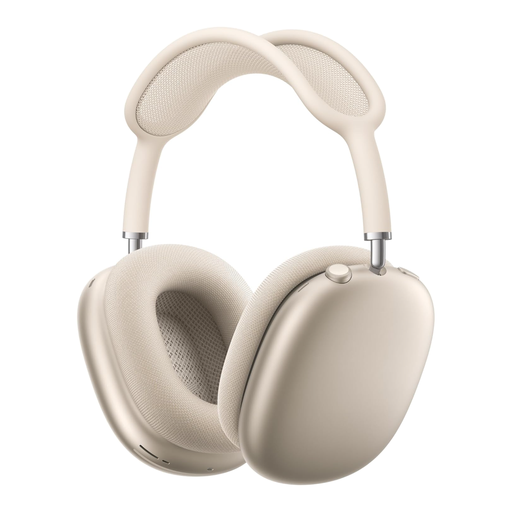
A Bluetooth option for playing exercises from a connected device.
The product description lists active noise cancellation and Transparency mode.
 No image available
A Bluetooth over-ear model for exercises played from a connected device.
The product description lists adaptive noise cancellation, Transparency mode, a supplied 3.5 mm cable, a padded headband and ear cushions. The product title states a battery life of 60 hours.
 No image available
A Bluetooth in-ear option for exercises played from a connected device.
The product description lists active noise cancellation and an adjustable equaliser.
 No image available
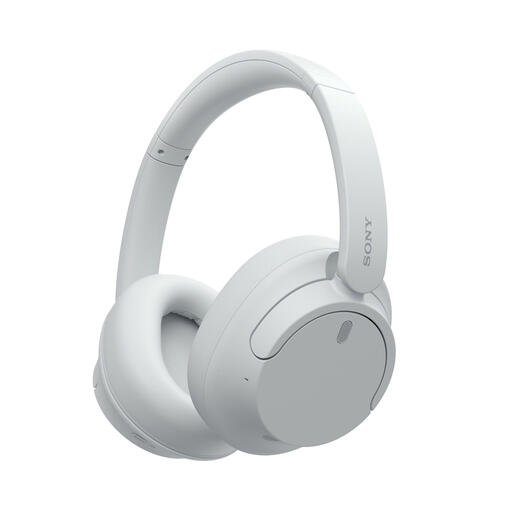
A Bluetooth over-ear model for exercises played from a connected device.
The product description lists active noise cancellation and an adjustable ambient mode.
 No image available
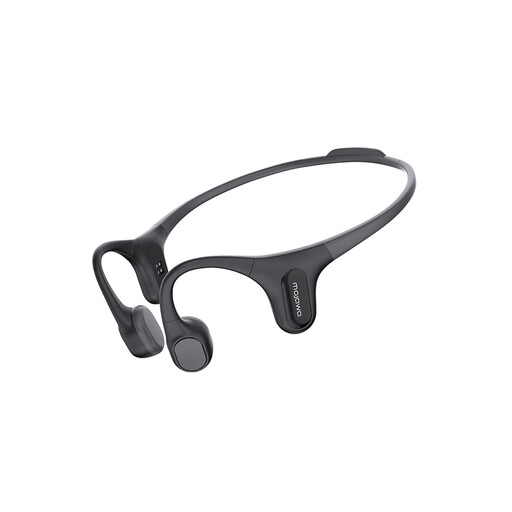
An option with built-in storage for transferable exercise files; check first that your learning material is available in a compatible file format.
The product title lists 32 GB of storage, an MP3 player, Bluetooth and an open-ear design with bone conduction. An open design lets in ambient sound, which can make it harder to hear quiet speech in noisy places.
No, not through the Bluetooth connection itself. If you download exercises in an app, the space you need depends on the storage available on the playback device and the files. Only a model with suitable local storage offers another way to play them, provided you can actually transfer the exercises.
For separate, supported audio files, Shokz describes transferring them from a computer using the supplied magnetic cable. Shokz says Bluetooth file transfer isn’t possible. Check first that your learning material is available as a transferable file.
Pay attention to both the volume and your total listening time, and take breaks. The World Health Organization’s guidance recommends a maximum of 40 hours per week at an average of 80 dB and four hours per week at 90 dB. These are exposure guidelines, not a guarantee for every person or a measurement of a specific pair of headphones.
For online purchases, ACM ConsuWijzer says you generally have up to 14 days after delivery to change your mind, subject to legal exceptions. You’re also covered by the legal guarantee if the product doesn’t perform as you could reasonably expect with normal use; the seller is responsible for this. Check which terms and any exceptions apply to your purchase.
For radio equipment, the Dutch Authority for Digital Infrastructure describes the applicable European requirements and CE marking. The European Commission says that USB-C charging rules have applied since 28 December 2024 to headphones within their scope: equipment with a removable or built-in rechargeable battery that can be charged via a cable. These general rules alone don’t establish whether a specific product on sale meets all the requirements.