
Quiet study enthusiast
Listens to spoken lessons near other people and wants to avoid audio leaking out. A good seal and low listening volume are important considerations.


Start with a well-fitting, closed-back pair of headphones and listen at a moderate volume. This combination is generally better suited to a quiet library than an open-back design. Over-ear headphones can be a good starting point for long listening sessions, while sealed in-ear headphones take up less space. Noise cancelling is no substitute for a good fit or checking for sound leakage. Also make sure the connection is compatible with your device and that you can wear the headphones comfortably for extended periods.
Listens to spoken lessons near other people and wants to avoid audio leaking out. A good seal and low listening volume are important considerations.
Listens for extended periods and wants to check whether the ear cushions or ear tips remain comfortable. Over-ear headphones generally take up more room in your bag.
Takes lessons along on a phone or laptop and weighs up compactness and connectivity against fit and battery life.
The World Health Organization recommends well-fitting headphones and listening at a safe volume. Audio-Technica explains that open-back designs let sound pass through more easily, so check what people sitting next to you can hear too.
| Buying concern | What should you check? | Who is this important for? |
|---|---|---|
| Not disturbing others | Check whether the model is closed-back and whether lesson audio leaks out at your usual listening volume. | When I study near other people, I want to follow my lesson without disturbing those around me. Around 29% of consumers say a quiet listening experience is their main buying concern. |
| Comfort during long lessons | Try the model for a representative length of time and check for pressure from the headband, ear cushions or ear tips. | During a long lesson, I want a comfortable fit without lasting pressure on my ears. Around 24% of consumers prioritise comfort over extended periods. |
| Easy to carry | Compare the size and, for in-ear models, check that the supplied ear tips fit well. | When I take my lessons with me, I want a compact model that seals well and stays comfortable. Around 18% of consumers prioritise portability. |
| Longevity and the features you need | Check which features you need and whether parts such as the cable, ear cushions or battery can be replaced. | I only want to choose features I’ll use and check which parts can be replaced. Around 17% of consumers focus mainly on longevity and the features they need. |
| Connectivity and uninterrupted use | Check your device’s connection and, if you plan to listen wirelessly, compare battery life with noise cancelling switched on if you want to use that feature. | When I listen on my own phone or laptop, I want to know that the connection is compatible and the headphones can handle my session. Around 12% of consumers prioritise connectivity and uninterrupted use. |
Noise cancelling is designed to reduce the surrounding sounds you hear. Whether other people can hear your lesson audio also depends on the design, the seal and the volume.
Don’t choose based on an ANC label alone. Check for sound leakage at the volume you normally use.
Battery life with noise cancelling switched off cannot be compared directly with a figure given for when the feature is switched on.
Compare models under the same conditions and, for wireless earbuds, check the listening time per charge for the earbuds themselves.
An open-back design lets sound pass through more easily, which could disturb others in a quiet library.
Choose open-back headphones only if you want to stay aware of your surroundings and have checked that others can’t hear your lesson. Don’t turn up the volume to make up for a poor seal.
The WH-CH720N is a closed-back, over-ear model with noise cancelling and the option to listen via a wired connection. The WF-C710N is a compact in-ear alternative.
The Tune 770NC is a foldable, over-ear model with noise cancelling and multipoint connectivity.
The wired ATH-M50x is a closed-back model for anyone looking for passive noise isolation and a detachable cable.
The Fairbuds XL is a wireless, over-ear option for anyone who considers replaceable parts when choosing headphones.
The MOMENTUM 4 Wireless is an over-ear model with adaptive noise cancelling and a transparency mode.
This selection includes wireless headphones and earbuds for listening with Bluetooth devices. Check each model’s fit, connectivity and battery life to make sure they suit your lessons.
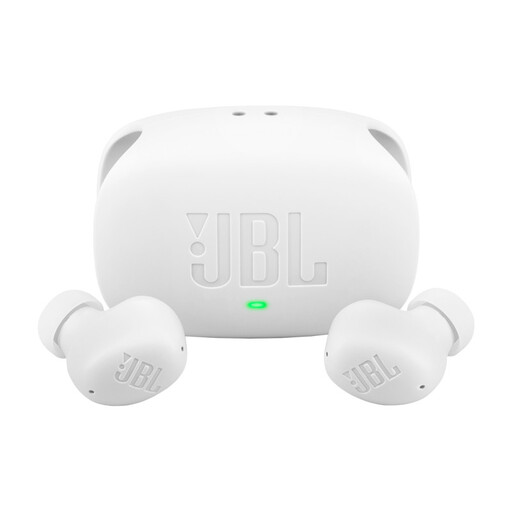 No image available
An in-ear option for anyone who wants compact earbuds to take along and noise cancelling to use.
The product description lists multipoint connectivity for two Bluetooth devices and up to 40 hours of total playback with noise cancelling off.
 No image available
A wireless, over-ear model for anyone looking for a around-the-ear design for longer listening sessions.
Sennheiser quotes up to 60 hours of playback on a full charge. The product description mentions a padded headband and deep, soft ear cushions; try them to see if the fit feels comfortable.
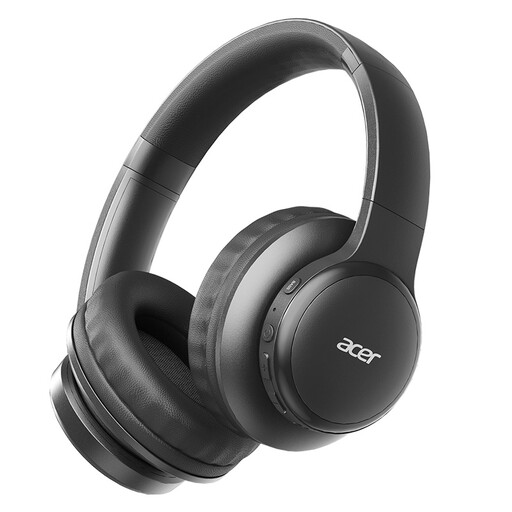 No image available
An option for anyone who wants to listen wirelessly and fold their headphones away for easy carrying.
The product title lists Bluetooth 5.3, a foldable design and a Type-C charging port.
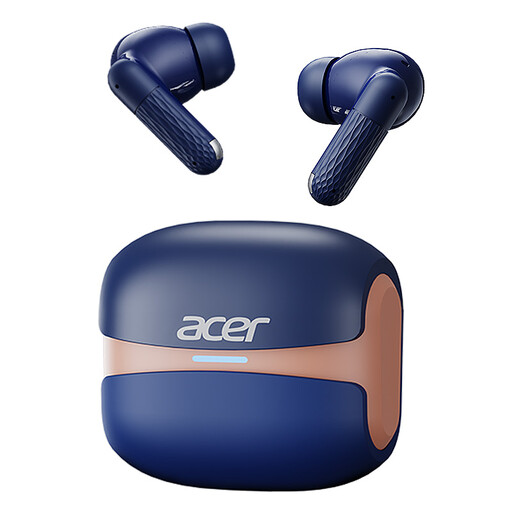 No image available
A compact option for anyone who wants wireless in-ear earbuds with a charging case to take along. Check that they fit your ears comfortably.
The product title lists Bluetooth 5.4 and a Type-C charging case.
 No image available
A wireless in-ear option for anyone looking for active noise cancelling. Try them to see whether they seal well and feel comfortable.
The product description lists up to 6 hours of playback per charge of the earbuds with noise cancelling on.
Not necessarily. First, check the seal and whether your lesson audio leaks out. The Dutch Consumers’ Association describes active noise cancelling as particularly noticeable with deep, persistent sounds, so its benefits depend on the noise in your library.
Follow the instructions for your model. Sony recommends using soft, dry cleaning materials on its headphones’ ear cushions and warns against letting liquid get inside while they’re charging.
No. According to ACM ConsuWijzer, your statutory guarantee is separate from any manufacturer’s or retailer’s warranty. With normal use, the product must meet what you could reasonably expect from it; if it’s faulty, the retailer is responsible for providing a suitable solution.
For online purchases by consumers, ACM ConsuWijzer says there is usually a statutory cooling-off period of up to 14 days after delivery, but there are exceptions. Before trying them, check the terms for any hygiene product that may be sealed.
Bluetooth headphones are covered by European radio equipment regulations as radio equipment. According to the Dutch Authority for Digital Infrastructure, the manufacturer applies a CE mark when the radio equipment meets the applicable requirements; the mark alone is not an independent test of sound isolation.