
Vandaag of morgen in huis

Kwaliteit gegarandeerd

Welkomstaanbiedingen ontgrendelen: GRATIS bezorging | Tot 80% korting | Gratis 30 dagen JoyPlus-proefperiode
Download de app
Choosing a new lamp seems simple until you realise the light colour is wrong, the fitting doesn’t match or an outdoor light isn’t sufficiently protected against moisture. That’s why lamps and lighting are about more than just design. The right choice depends on where you’ll use it, its technical specifications and how you want to control it.
Wattage tells you how much energy a lamp uses. It doesn’t tell you directly how much light you’ll get. So check the number of lumens too. An LED lamp with a low wattage may give you plenty of light, while a decorative lamp with the same energy consumption may be designed mainly to create atmosphere.
For comparison, the TP-Link Tapo L530E uses 8.7 W and delivers up to 806 lumens, according to its product specifications. It has an E27 fitting and can be dimmed via the app. This makes lumens and features more useful points of comparison than wattage alone.
A lamp with IP44 protection is splash-resistant, but that doesn’t automatically make it waterproof. It may be suitable for a sheltered balcony, patio or covered entrance, but it isn’t designed to be submerged or exposed to direct jets of water. If you’re installing it in a completely exposed spot, check the installation location and the manufacturer’s instructions carefully.
Installation is also important for outdoor lights. A 230 V wired wall light, such as the Brilliant Newport, must be connected by a qualified electrician according to the product information.
Smart lighting doesn’t always work in the same way. Some lamps use Wi-Fi without a hub, while other systems use a bridge or Bluetooth Mesh. Check the following in advance:
A system with a bridge can offer more automation options, but it also requires extra installation and a bigger initial budget.
Colour temperature is measured in kelvins (K):
Dimmable lighting gives you more flexibility, but check whether the lamp has a built-in dimming function or whether you’ll need a separate dimmer. For example, an E27 lamp may be dimmable even if the light fitting itself doesn’t include a dimmer.
RGB lighting gives you a choice of colours, but it isn’t always suitable as your main light source. For reading, cooking or working, lumens, colour temperature and colour rendering are more important than having a large choice of colours.
Check the fitting before you order a lamp. Common types include:
Check the diameter and height too. A pendant light needs to leave enough space above the table and clear of walkways. For a ceiling light, make sure its diameter suits the room and the connection point.
Integrated LED lighting is compact and often energy-efficient, but the light source can’t simply be replaced. With a fitting that has a separate socket, you can choose a different LED lamp yourself later.
LED lamps generally use less energy than older light sources, but always compare wattage, light output and how you plan to use the lamp. Energy labels range from A to G. A lower letter doesn’t automatically mean the lamp is unsuitable; look at the combination of light output and energy consumption.
For outdoor lights with a battery or solar panel, charging time, battery type and frequency of use are also important. A solar wall light depends on sunlight and may perform differently on dark winter days than it does in summer.
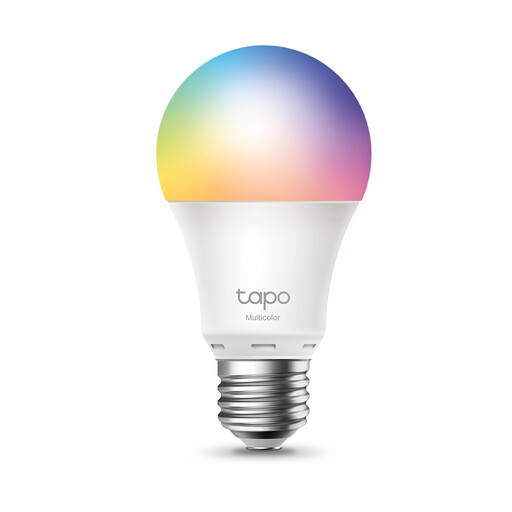
Why it suits this profile: According to the product specifications, this E27 lamp connects via Wi-Fi without a separate hub and can be controlled with the Tapo app. It’s a practical choice if you’re new to smart lighting.
The specifications list both the light output of 806 lumens and a colour temperature range of 2500 to 6500 K. This gives you more to compare than wattage alone.
Dimmable from 1 to 100 per cent, RGB colours, scheduling and Wi-Fi control.

Why it suits this profile: If you want to connect several lamps to routines, apps and voice assistants, this starter kit gives you two E27 lamps and a Bridge Pro.
The product clearly states that a bridge and app are included. So you’ll know in advance that this isn’t a standalone Wi-Fi lamp.
Two E27 LED lamps, dimming function and support for Alexa, Google Assistant and Apple HomeKit, among others.
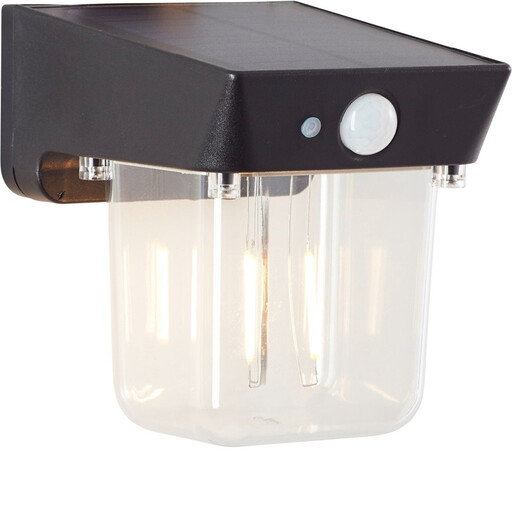
Why it suits this profile: This solar wall light is designed for an entrance, garden or patio where you don’t want a fixed power connection.
The IP44 rating makes its limits clear: it’s splash-resistant, but not suitable for submersion or direct jets of water.
Integrated solar panel, motion sensor, 180 lumens and warm 2700 K light.
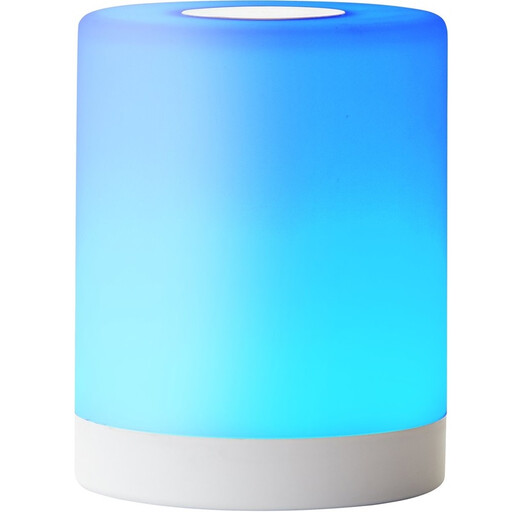
Why it suits this profile: Thanks to its compact size and rechargeable battery, you can move this table lamp between the living room, balcony and patio.
The lamp runs on a rechargeable battery and has IP44 protection. Use it in a sheltered spot, and don’t leave it in standing water.
RGBW function, built-in dimmer, touch control and cordless operation.
We’ve put together a complete, up-to-date list of products that meet these strict selection criteria and the applicable European safety regulations.
Warm white light of around 2700 to 3000 K is a popular choice for living rooms. It creates a softer feel. For a workspace or kitchen, 4000 K may be more practical. A lamp with an adjustable colour temperature gives you more flexibility.
According to their product specifications, LED lamps often use relatively few watts for the amount of light they produce. The actual cost depends on wattage, the number of hours the lamp is on and your energy tariff. So compare lumens, wattage and expected usage rather than looking only at the purchase price.
No. Check the IP rating, installation instructions and how exposed the light will be to rain. IP44 is suitable for splashes and sheltered outdoor locations, but not for submersion or direct jets of water. A fixed mains-powered wall light will often need to be installed by a professional.
