
Vandaag of morgen in huis

Kwaliteit gegarandeerd

Welkomstaanbiedingen ontgrendelen: GRATIS bezorging | Tot 80% korting | Gratis 30 dagen JoyPlus-proefperiode
Download de app
A crate or can of lager might seem easy to choose. Yet shoppers often pay too much for a small quantity, pick an inconvenient pack size or only discover after buying that the beer contains an ingredient someone is allergic to. A temporary beer offer doesn’t automatically mean you’re getting a good deal either: always compare the price per litre, not just the price of the pack.
This buying guide explains what to look for in pilsner and lager. You’ll also find practical recommendations for different occasions, from a small get-together to a bigger party.
A beer 6-pack can often seem cheaper than a larger pack, but a pack of smaller cans may cost more per litre. So work out:
Number of packs × amount per pack = total quantity of beer.
For example, a 24-pack with 250 ml cans contains 6 litres. A 6-pack with 330 ml cans contains 1.98 litres. Then compare the price per litre, including any delivery costs.
Small cans are handy when you want to serve individual portions or stock up for several occasions. Bottles may work better for drinks around the table, while larger cans mean less packaging to deal with at a party. Also check whether you’ll need a bottle opener and how much room the pack will take up in your fridge or storage space.
Words such as “refreshing”, “full-bodied” or “perfectly balanced” are often part of a brand description. Don’t treat them as an objective guarantee that you’ll enjoy the taste. Instead, check the alcohol content, ingredients, pack size and serving information. For example, Heineken recommends serving its beer at 2 to 5 degrees Celsius, according to its own product information. This is the brand’s serving recommendation, not a universal rule for taste.
Popular pilsners in the range are around 5% alcohol. Examples include Heineken and Amstel at 5.0%, Jupiler at 5.2% and San Miguel Especial at 5.4%. Check the label, as alcohol content can vary by variant or market.
Alcoholic beer is intended for adults aged 18 and over only. Don’t drink if you need to drive, and take into account the circumstances in which you’ll be serving the beer.
Look out for the difference between:
A beer 12-pack or beer 24-pack is practical if you want to make sure you have enough in stock. For a small get-together, a 6-pack may make more sense, as you’ll have fewer unopened packs left over.
Lager usually contains water, malt or barley, hops and yeast or hop extract. The products in this selection list barley and cereals containing gluten as allergens. Jupiler also lists ingredients including maize. Always check the current packaging if someone in your group has an allergy or intolerance. Product information may change.
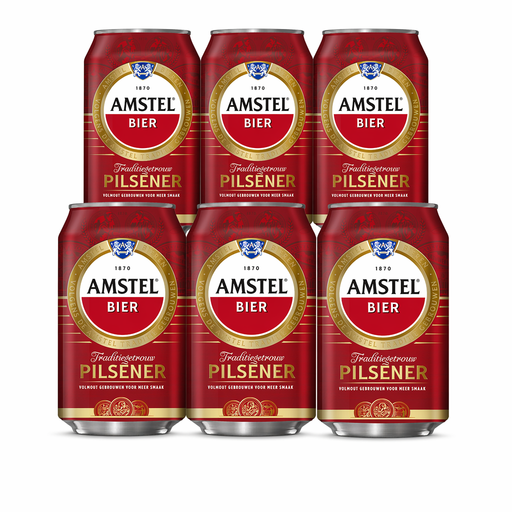
Why it suits this type of buyer: A straightforward 6-pack of 330 ml cans for keeping a small supply at home, sharing a drink or trying pilsner for the first time.
The quantity is clear: 6 cans of 330 ml. So you don’t have to buy a large pack before you know whether you like the taste.
5.0% alcohol, 330 ml per can and, according to the product information, a full-bodied, approachable taste. The can doesn’t require an opener.
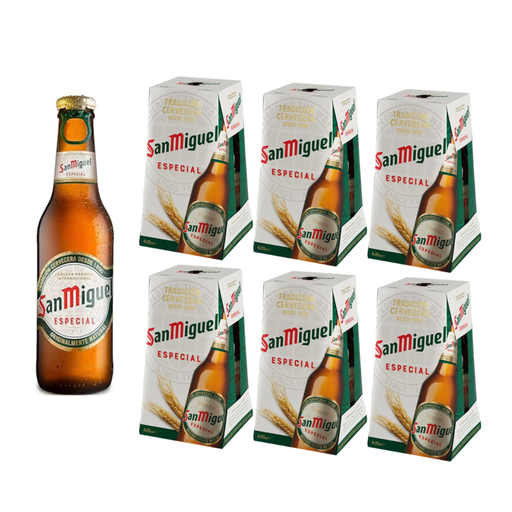
Why it suits this type of buyer: A good choice if you’re looking for a larger pack and want to serve a Spanish lager alongside Dutch pilsners at dinner or a more substantial get-together.
The product name gives the full pack breakdown: 6 sets of 4 cans of 33 cl. That makes it easy to check the total quantity before ordering.
According to the product information, this is a golden lager with 5.4% alcohol and a fresh, slightly bitter taste.
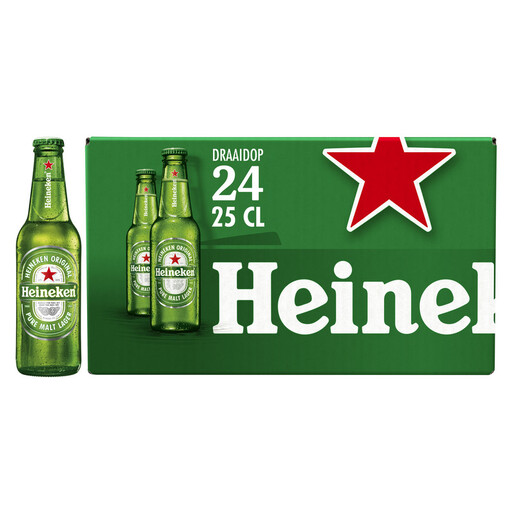
Why it suits this type of buyer: A large pack for parties, clubs or households that serve beer regularly and prefer to stock up in one go.
The number and size are clear at a glance: 24 cans of 250 ml. That makes it easy to plan your stock without mistaking a larger overall quantity for larger individual servings.
24 × 250 ml, 5.0% alcohol and cans that don’t require an opener. According to the product information, the beer contains 42 kcal per 100 ml.
Other popular choices include Heineken 12-pack, Heineken 6 × 500 ml, Jupiler beer and Hertog Jan beer. Jupiler lists 5.2% alcohol and a recipe that includes barley malt, maize and hops. Hertog Jan is available as a 6 × 300 ml pack with 5.0% alcohol, according to the product listing. Check the current product page, quantity and ingredients for each variant.
We’ve put together a complete, up-to-date list of products that meet these strict selection criteria and the applicable European safety regulations.
Dutch online shops often use these terms interchangeably for a pale lager with a distinctive hop bitterness. The exact taste, ingredients and alcohol content vary by brand. So always check the product information rather than relying on the name alone.
Not always. A 6-pack usually means a lower upfront spend, while a 24-pack gives you more stock. Compare the price per litre, the number of cans and any delivery costs. A beer offer is only worthwhile if the total quantity and price suit your needs.
Store beer somewhere cool, away from direct sunlight and excessive heat. Avoid significant temperature changes. Follow the packaging label for the exact best-before date and storage instructions. When your order arrives, also check that the seal or packaging isn’t damaged.
