
Vandaag of morgen in huis

Kwaliteit gegarandeerd

Welkomstaanbiedingen ontgrendelen: GRATIS bezorging | Tot 80% korting | Gratis 30 dagen JoyPlus-proefperiode
Download de app
As a Joybuy Product Recommendation Officer, I often see players struggle with choosing new gear. Costly mistakes are especially common when selecting lacrosse cleats. The wrong cleat can not only impact your performance but also lead to discomfort or even injury. Let's review the most common pitfalls so you can make an informed choice.
Pitfall 1: Choosing the wrong sole for the field. Many players buy cleats based on looks, ignoring the most critical component: the studs. A cleat with FG (Firm Ground) studs on a soggy field will lead to slipping, while SG (Soft Ground) studs on artificial turf cause unnecessary wear and an unnatural feel.
Pitfall 2: Using a generic field sport shoe. Lacrosse demands specific lateral movements, quick stops, and sprints. A generic athletic shoe or a soccer cleat often lacks the targeted ankle support and lateral durability that professional lacrosse cleats provide. This results in faster wear and tear and less stability.
Before choosing a model, it's essential to check two technical specifications. These determine 90% of whether a cleat is suitable for your playing style and the fields you play on.
The choice between FG and SG is the most important decision you'll make.
The cleat's upper determines the balance between support, weight, and breathability.
Below are some popular choices, matched to specific player profiles and needs.
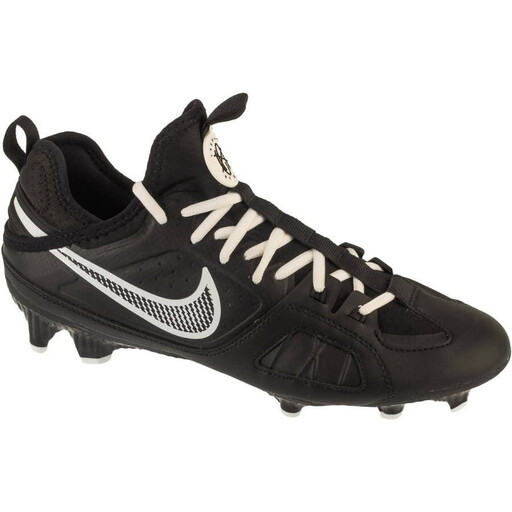
Why This Fits Their Persona: This player is active on artificial turf fields. They need a reliable cleat that provides grip for quick sprints and turns without catching on the turf.
This model has an FG stud configuration specifically designed for artificial turf and firm ground, thus avoiding the pitfall of the wrong sole. It's a specialised lacrosse cleat, not a generic athletic shoe.
The synthetic upper provides durability and support. The cushioned midsole ensures comfort during intense matches.
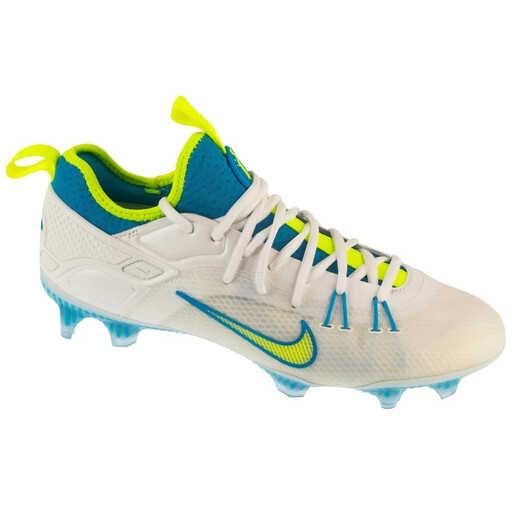
Why This Fits Their Persona: This player relies on speed and agility. A lightweight, low-cut cleat that allows for maximum ankle mobility is essential for quick sprints and dodging defenders.
Instead of a heavy, restrictive shoe, this lightweight, low-cut model offers the flexibility needed for an offensive playstyle. The SG sole is ideal for grip on soft fields where speed is crucial to avoid slipping.
The low profile maximises agility. The strategically placed studs of the SG sole provide reliable grip on wet surfaces.
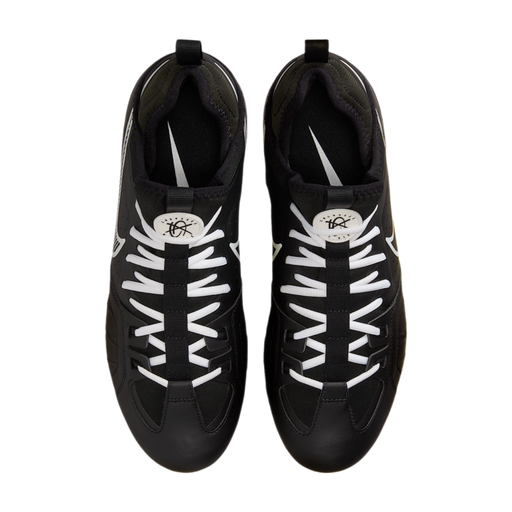
Why This Fits Their Persona: For midfielders and defenders, a stable base is essential. This player needs a cleat that securely envelops and supports the foot during physical contact and abrupt movements.
This model avoids the pitfall of a shoe that is too flexible or loose. The iconic Huarache design is known for its snug, sock-like fit that locks the foot in place and provides a stable feel.
The secure lacing system and enveloping fit offer a locked-in feel. The FG sole is versatile for most field conditions.
We have compiled a complete, up-to-date list of products that fully meet these strict selection criteria and safety regulations.
Yes, you can. Lacrosse cleats, especially FG models, have a stud pattern similar to soccer cleats and function well on a soccer field. The main difference lies in the extra lateral support and the often more robust toe box, which are specific to the movements in lacrosse.
Look at the fields where you most often play and train. Is it primarily artificial turf or dry natural grass? Then choose FG (Firm Ground). Do you often play on soggy, soft grass fields, especially in the wetter months? In that case, an SG (Soft Ground) sole will offer noticeably more grip. Some players even own two pairs of cleats: one for each condition.
The lifespan depends on frequency of use, playing style, and maintenance. For a serious player who trains and plays several times a week, a pair of quality lacrosse cleats typically lasts one to two seasons. Regular cleaning and proper drying (away from a direct heat source) can significantly extend their lifespan.
