What should you look for when buying?
First, decide what information needs to go on the bottle and how much space it requires. Then compare the tape material, compatibility and how you want to create your labels.
| What to consider |
What should you check? |
Who is this most important for? |
| Correct information |
For the contents of each bottle, work out what information is needed and check that it will fit legibly on the chosen label size. |
When I fill a work bottle, I want to know what information is needed for its contents, not just what name will fit on it. Around 36% of consumers prioritise accurate hazard information. |
| Adhesion and readability |
Check the exact tape, its compatibility with the printer and whether it is suitable for the bottle surface and cleaning product. |
If bottles often get wet or are wiped down, I want the label to stay in place and remain legible during normal use. Around 29% of consumers prioritise adhesion and readability. |
| Making labels repeatedly |
Compare typing directly on the printer, USB or Bluetooth connectivity, and the option to save designs. |
For recurring labelling tasks, I want to be able to recreate the same checked text easily. Around 21% of consumers prioritise efficient repeat printing. |
| Occasional use |
Check which tape is included, which other tapes are compatible and whether operation requires a phone. |
If I only need a simple identification sticker now and again, I want a suitable roll and straightforward operation without unnecessary steps. Around 14% of consumers prioritise easy occasional use. |
Label printers at Joybuy
These label printers are designed for making identification labels and labels for work bottles. Supported tapes, space for information and operation vary by model; check that the material is suitable for the bottle and cleaning product.
 Image unavailable
Phomemo M110 label printer, with one label roll
A portable option if you want to create labels using a phone or tablet; check which roll material is suitable for use on bottles.
Bluetooth connectivity and rechargeable battery.
According to the product information, it supports label widths of 20–50 mm; this alone says nothing about the material’s durability.
Joybuy
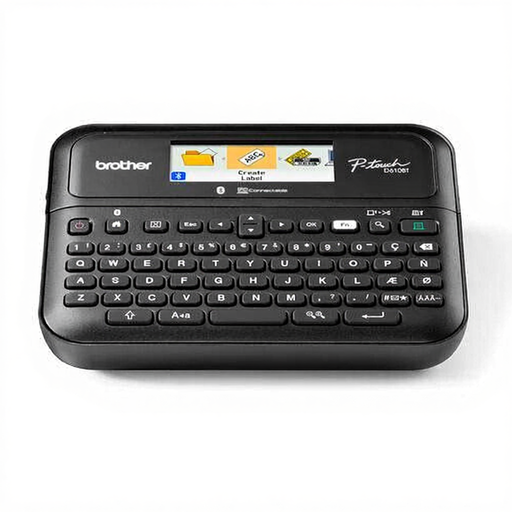 Image unavailable
Brother PT-D610BTVP
A good fit for recurring labels if you want to use TZe tape and reprint saved designs. Brother describes laminated TZe labels as resistant to water, abrasion and chemicals; check that they’re suitable for the specific product and bottle surface.
Supports TZe tape up to 24 mm and can store 99 label designs, according to Brother.
USB and Bluetooth connectivity.
Joybuy
 Image unavailable
DYMO LetraTag 200B Bluetooth
A compact printer if you want to create labels using a smartphone. DYMO describes LetraTag plastic tape as wipeable for indoor use; check that it’s suitable for your bottle and cleaning product.
Supplied with paper tape. The maximum label width is 12 mm.
Bluetooth operation via a mobile app.
Joybuy
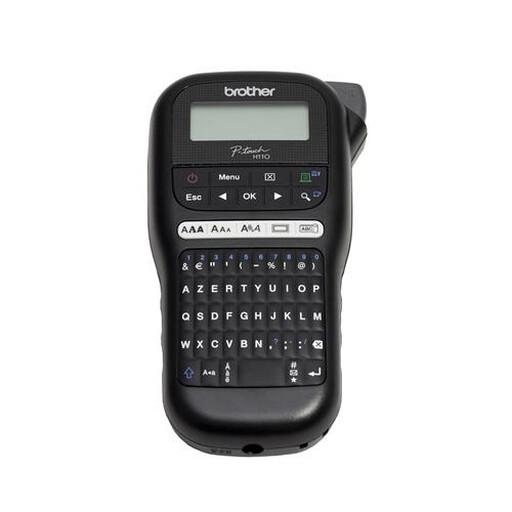 Image unavailable
Brother PTH110, Italian version
An option if you want to enter text directly on the device. Check that the Italian version and its controls are suitable for the community centre’s users.
Supports TZe tape up to 12 mm and, according to the product information, has a QWERTY keyboard and LCD screen.
Brother describes laminated P-touch labels as resistant to water, abrasion and chemicals; this claim applies to the tape and doesn’t guarantee it will be suitable for every product or bottle surface.
Joybuy
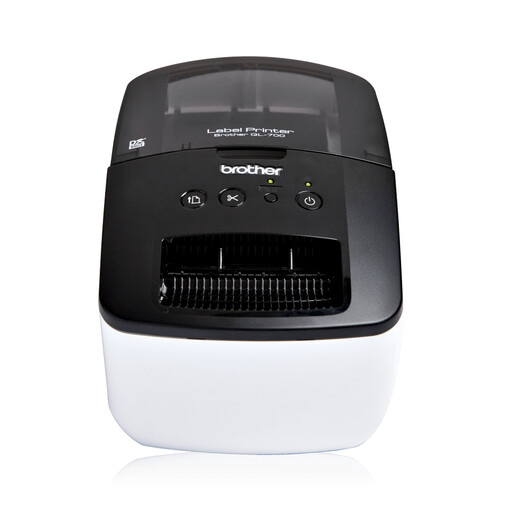 Image unavailable
Brother QL-700
A good fit if you want to design labels on a computer and need more space for text. The product information specifies paper DK labels; check whether the chosen material is suitable for bottles that get wet or are wiped down.
Supports label widths up to 62 mm and has an automatic cutter.
USB connection and design software for Windows and Mac, according to the product information.
Joybuy
Frequently asked questions
Is the product name alone enough on a decanted work bottle?
Not if that means required hazard information is missing. Arboportaal states that occupational health and safety regulations require an adequate hazard label for substances and mixtures that are not placed on the market. Use the actual contents and original product information to work out what information is needed.
Does a label need a specific pictogram or a UFI code?
That depends on the specific product and the labelling requirements that apply. Don’t copy a pictogram, hazard statement or code from another cleaning product; check the original product information and work out what information is needed for the contents of the work bottle.
How do I choose a label for a bottle that’s wiped down often?
Choose a compatible tape whose manufacturer describes properties suited to the way you’ll use it, and test the label on your own bottle. The printer’s features alone don’t prove that the tape will stay in place or remain legible with the cleaning product you use.
Which consumables should I check before buying?
Check the exact tape system and the tape supplied, as the models reviewed use TZe, Brady material, D1, LetraTag or DK labels. Also check that the replacement cassette you want works with your chosen model and that the material suits the bottle and how it will be used.


