
Staff member managing shared chargers
Wants to make cables easy to identify and is looking for a label designed for round cables. Brother describes flexible ID tape for cable wraps; DYMO lists flexible nylon labels for Rhino printers.


Start with the label type: for a round charging cable, flexible cable tape or a suitable cable flag is a better option to explore than a standard label for flat surfaces. Then choose between app control and a standalone printer, and always check compatibility with the exact printer model and cassette number. Manufacturer information describes intended uses, but it does not prove how long a label will stay attached to a particular cable.
Wants to make cables easy to identify and is looking for a label designed for round cables. Brother describes flexible ID tape for cable wraps; DYMO lists flexible nylon labels for Rhino printers.
Wants to create labels without complicated preparation and can check whether a suitable phone or tablet is available at school. Brother describes app control for the PT-P300BT.
May label items at different workstations and could benefit from a standalone printer with cable labelling formats. Brady describes wrap and flag formats for the M210, among others.
First decide which label shape suits the cable, then how you want to enter the text, and finally which cassettes and power supply you’ll need.
| What to consider | What should you check? | Who is this most relevant to? |
|---|---|---|
| Labels for round cables | Check whether the tape is designed for cables and whether a wrap or flag format suits the cable. Brother lists TZe-FX211 as 6 mm-wide flexible ID tape. | If I want to make shared chargers easy to identify, I’ll first look for a label that suits the cable. Around 33% of consumers give cable suitability top priority. |
| Controls for occasional use | Check whether a suitable phone or tablet is available, whether the app fits the way the school works, and how the tape is cut. | For a small number of labels, I want to enter text easily without unnecessary preparation. Around 27% of consumers prioritise ease of use for occasional labelling. |
| Labelling at different workstations | Compare the available cable formats, and check which batteries or adapter are needed and what is included with the chosen version. | If I label cables in several locations, I want to be able to enter text right by the cable. Around 20% of consumers give recurring on-site labelling top priority. |
| Cassettes and consumables | Note the exact printer model and cassette number, then compare the pack size with your expected label usage. Don’t assume Brother TZe, DYMO Rhino and Brady products are interchangeable. | I want to avoid buying a replacement cassette that doesn’t fit, and I’ll factor in expected usage. Around 20% of consumers prioritise cassette compatibility and running costs. |
Tape designed for flat surfaces isn’t automatically suitable for a round cable. Placement and readability also depend on the label format you choose.
First choose between a cable wrap and a cable flag. Then check that the manufacturer describes the tape as suitable for cables and for your printer model.
Manufacturers specify which printer models their cassettes are designed for. A similar width doesn’t confirm that a cassette will fit.
Check the full cassette number against the exact printer model. Don’t treat a combination as confirmed if the compatibility information is contradictory.
You’ll also need suitable tape. Brother states that the adapter is not included with the PT-P300BT; the flexible tape is a separate accessory.
Before you buy, make a list of the cassette, the power supply required and the number of labels needed for your intended use.
Cassettes are an ongoing cost. Depending on the version you choose, you may also need batteries or an adapter.
According to the Dutch Ondernemersplein, the statutory 14-day cooling-off period applies to consumers and does not automatically apply to a business purchase.
Before placing an order on behalf of the school, check who the buyer is and which returns and warranty terms apply to the purchase.
Brother P-touch includes compact app-controlled printers as well as standalone models for cable marking.
The Rhino range is designed for industrial labelling; the Rhino 4200 is a standalone model worth comparing for cable work.
The M210 is a standalone printer for wire and cable identification, with several cable labelling formats.
These label printers are relevant to cable labelling, but their uses and label formats vary by model. Before you order, check that your chosen tape is explicitly suitable for cables and for the printer.
 No image available
The product description mentions product labels and office inventory. Check separately whether tape is available that suits your cables and the label format you need.
Bluetooth control via the Print Master app. Supported label widths: 20–50 mm.
Printing requires a Bluetooth connection to the app.
 No image available
The product description mentions cables as a possible use, but doesn’t specify a cable wrap or flag format. Check the tape format before choosing this model for cable labelling.
Bluetooth and app control; the product name specifies a label width of 0.59 inch.
Printing requires a Bluetooth connection to a phone or tablet and the app.
 No image available
This model works with the LetraTag Connect app. Check whether the LetraTag material available is suitable for your intended use on a cable.
The product description lists paper, plastic, metallic and iron-on label types.
Uses four AA batteries, not included; the product name specifies one roll of white paper labels.
 No image available
For this app-controlled printer, Brother lists TZe-FX211 as flexible ID tape for cables. Check whether the 6 mm width suits the cable and the text you want to print.
Brother lists TZe-FX211 as a 6 mm-wide, 8 m-long cassette suitable for cable identification.
The printer is controlled via an app and, according to Brother, the adapter is not included.
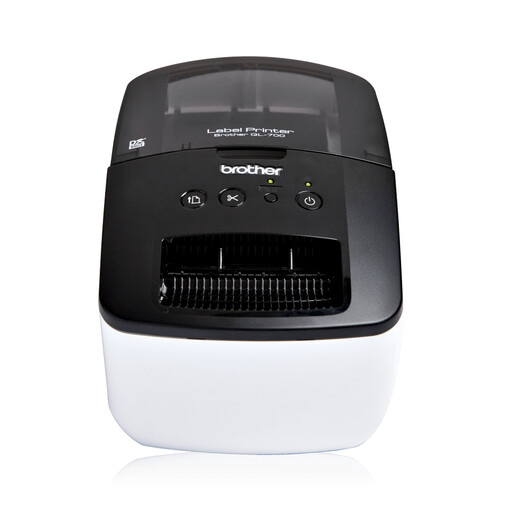 No image available
Check whether the available DK tape and label format are suitable for the cable; the stated office labelling use doesn’t in itself confirm that it can make cable wraps.
The product description lists a USB connection, DK tape and an automatic cutter.
Editor Lite is listed for Windows in the product description.
First choose a short description and decide whether a wrap or flag suits the cable. Use tape that the manufacturer confirms is suitable both for cables and for your printer, then check that it’s readable on the cable itself.
A self-laminating label requires a compatible labelling system; it isn’t a feature of every printer. Brady documents B-427 material for the M210/M211, but you should also check the exact cassette number.
Allow for suitable replacement cassettes and any required power supply, as well as the printer itself. According to the Dutch Ondernemersplein, the statutory cooling-off period for consumers doesn’t automatically apply to a business purchase. So check who is buying on behalf of the school and which terms of sale apply.
If labels contain pupils’ personal data, the school must assess how its GDPR obligations apply. The Dutch Data Protection Authority reminds schools of their accountability obligations and the need to take measures to protect pupil data.