
Person in charge of shared craft supplies
Labels materials that are handled frequently and may need cleaning. So, consider the type of tape, the surface and the expected wear.


First, choose tape that suits the surface and expected wear, then check that the printer supports the cassette and label width you need. A keyboard label maker is a good choice if you want to create labels on the spot without a phone. App control requires a compatible mobile device, while storage and automatic cutting are especially useful for recurring labelling tasks.
Labels materials that are handled frequently and may need cleaning. So, consider the type of tape, the surface and the expected wear.
Wants to add clear names or categories to narrow school supplies. Check that the printer and cassette support the width you need.
Regularly makes larger labels and may benefit from saved designs or automatic cutting.
Best for: entering names straight away without a phone. The Brother PT-H110 supports labels up to 12 mm; according to the Dutch-language manual, the DYMO LabelManager 160 uses D1 cassettes in 6, 9 and 12 mm widths.
Trade-off: these widths are less suited to larger labels for cupboards or boxes.
Best for: designing labels on a phone or tablet. Brother lists Bluetooth for the PT-P300BT CUBE; Epson supports Label Editor Mobile for the LW-C610.
Trade-off: you’ll need a compatible mobile device, and should check in advance that the app works with it.
Best for: regularly labelling several boxes, cupboards or sets of materials. Brother lists storage for 99 designs and automatic cutting for the PT-D610BTVP.
Trade-off: storage and cutting features are less useful for occasional, short name labels.
| What to consider | What should you check? | Who is this important for? |
|---|---|---|
| Adhesion and use | Check the cassette, surface and cleaning requirements. Brother describes resistance properties for specific TZe tapes; DYMO does so for D1 Durable. | If shared items are handled or cleaned often, I want to choose tape that suits the material and how it will be used. Around 36% of consumers prioritise wear resistance above all else. |
| Label size | Measure the available surface and compare it with the widths supported by both the printer and the exact cassette. | For small items, I want a name label that fits and stays legible. Around 29% of consumers prioritise a size suitable for small labels above all else. |
| Controls | Check whether you enter text using a built-in keyboard or an app, and what type of power supply the model requires. | If I want to label items on the spot without a phone, I’m looking for a standalone way to enter text. Around 21% of consumers prioritise being able to use a printer without a phone above all else. |
| Recurring labelling tasks | Compare the supported widths, design or memory features, and cutting mechanism of the exact model. | When labelling lots of boxes and cupboards, I want to be able to make repeat labels quickly. Around 14% of consumers prioritise larger, recurring labelling tasks above all else. |
Printers can use different cassette systems and support different widths. Tape that isn’t compatible with your model won’t work for the labels you want to make.
Before buying, note down the exact printer model, cassette code and width you need for small items and larger boxes.
You may need separate cassettes for different tasks; tape you’ve already bought may be unusable if it isn’t compatible.
The resistance properties described by Brother and DYMO apply to specific tapes. They don’t guarantee adhesion to every surface or in every cleaning situation.
Choose tape to suit the conditions it will be used in, and test its adhesion and legibility on the item itself.
If a label doesn’t stay in place, you may need to replace it sooner.
The Brother PT-P300BT CUBE is designed for creating labels on a mobile device, while the PT-H110 has a built-in keyboard.
Before choosing how to operate the printer, decide who will make labels in the room and which devices they’ll have access to.
Epson states that LK-6WBJ contains a substance that may cause an allergic reaction. This warning applies to this particular tape.
Read the safety information for the cassette you choose and follow the instructions on the product label.
P-touch models offer different ways to work, including a keyboard, app control and options for recurring tasks.
LabelManager models that use D1 cassettes are an option for short text labels; D1 Durable is a separate type of tape.
The LabelWorks LW-C610 supports mobile design software and is worth considering if you need wider labels for boxes.
This Joybuy selection includes compact app-controlled label makers and Brother label printers for a range of labelling tasks. For each model, check which consumables it takes and whether its controls suit the way you work in the room.
 No image available
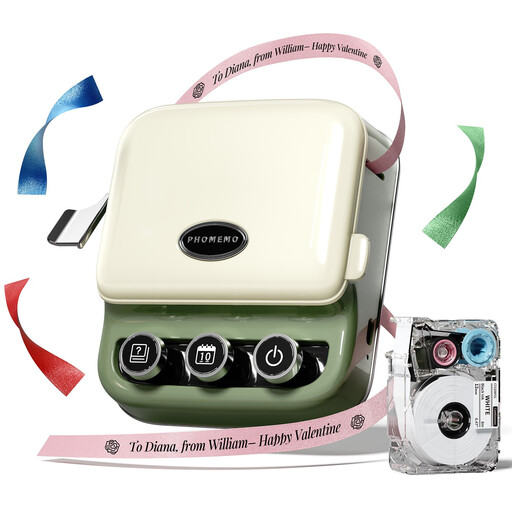
A good choice if you want to design labels on a phone or tablet; the product information lists Bluetooth and the Print Master app. It also mentions ribbon printing and one roll of blank label tape; ribbon tape is sold separately.
 No image available
A good choice if you want to make labels for small items on a phone or tablet. The product information lists Bluetooth, the LetraTag app and a maximum label width of 12 mm; four AA batteries are not included.
 No image available
A good choice if you want to design labels on a mobile device. The product title lists Bluetooth, TZe, 180 x 180 DPI and 20 mm/sec, but also describes the device as direct thermal. So, check the exact printer model and compatible consumables before buying.
 No image available
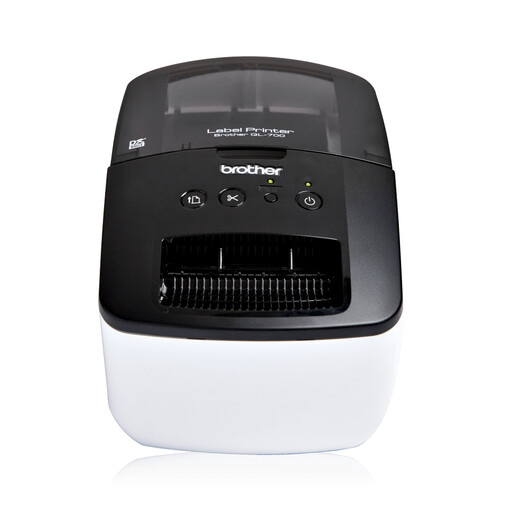
A good choice if you want to print several labels in a row; the product information lists an automatic cutter and USB connection. The product title mentions DK, so check which label materials are compatible with the model you choose.
 No image available
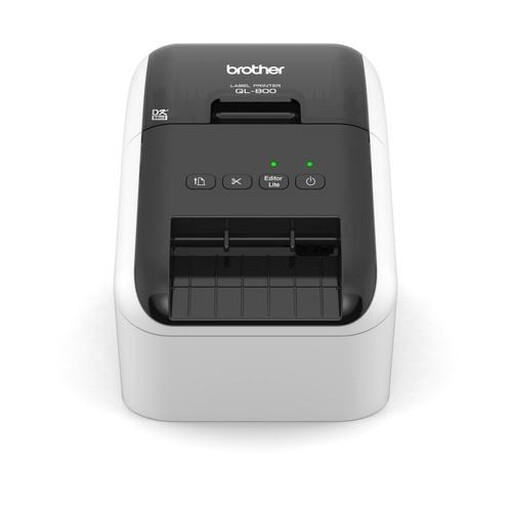
A good choice if you want to make identification or inventory labels with a wired printer. The product title mentions DK and a wired connection; before buying, check the width and type of label material you need for your task.
No. Check the cassette system, width and exact model. The Brother P-touch models covered here use TZe tape; the Dutch-language manual for the DYMO LabelManager 160 lists D1 cassettes in 6, 9 and 12 mm widths.
If tape gets stuck, DYMO recommends checking the print head and platen for dust, adhesive residue or tape obstructions, and keeping them clean. Follow the manual for your exact model when cleaning it.
According to the Netherlands government, the seller must provide a solution if a product is faulty. There is no fixed statutory guarantee period in the Netherlands; a manufacturer’s guarantee is in addition to your legal rights.
That depends on the circumstances and the school’s privacy policy. The Dutch Data Protection Authority says that schools processing personal data have, among other things, accountability and information obligations. So, make sure the wording on labels and the way you use them comply with that policy.
The Netherlands government outlines European product requirements for electrical and electronic equipment, along with additional rules for devices with Bluetooth. According to this government information, manufacturers must apply a CE mark and draw up an EU declaration of conformity for devices that meet the applicable requirements. This alone does not confirm that a specific listing is compliant.