
Shops where cases are moved frequently
You want labels to remain legible when cases are handled regularly. So pay attention to the tape and how well it sticks to the surface.


Start with the surface and how the cases will be used: for cases that are handled frequently, legibility and the right tape matter more than extra printer features. Then choose a keyboard model for creating individual labels on the spot, or a device that connects to a phone or computer if you want to save or repeat designs. Brother and DYMO describe different tape properties, but test your chosen tape on a similar case before labelling a whole batch.
You want labels to remain legible when cases are handled regularly. So pay attention to the tape and how well it sticks to the surface.
You regularly print the same names or codes and want to be able to save or reuse your labels.
You make labels in different parts of the shop and want to enter them there, using a keyboard or a compatible phone.
First choose tape to suit the case surface; then decide which input method and features will make labelling easier.
| What to consider | What should you look for? | Best suited to |
|---|---|---|
| Legibility and adhesion | Check whether the area is flat, clean and wide enough. Choose tape that suits the surface and try it first on a similar case. Brother describes a separate extra-strength adhesive TZe tape for rough or uneven surfaces. | If I want a label to stay legible on a case that’s moved frequently, I start with the surface. Around 33% of consumers put adhesion and legibility first. |
| Recurring names and codes | Check whether the exact model can save and reprint labels or designs, and how you enter them. | If you regularly use the same case codes, you won’t want to enter them again each time. Around 27% of consumers prioritise repeat jobs. |
| Labelling in different locations | Check the input method and power supply. For phone-operated models, also check the required software and compatible phones. | If I want to make an individual label straight away for different cases, being able to use the device on the spot matters. Around 20% of consumers have mobile labelling as their main need. |
| Suitable tape and usage | Make a note of the tape family, width and pack contents. Compare like with like, and check that the tape is suitable for your printer and how you plan to use it. | Consumers who want to keep track of regular tape use should check the right cassette and the quantity in each pack; this is the main priority for around 20%. |
Each printer works with a specific tape family. For example, the DYMO LetraTag 200B uses LetraTag tape, while D1 tape is for the LabelManager family.
Before buying, check which tape is compatible with the exact model, not just the brand.
The DYMO LetraTag 200B comes with paper labels. DYMO describes its separate LetraTag plastic tape as wipeable and intended for indoor use; that doesn’t prove it’s suitable for every case.
Check which tape is included in the pack, then assess a compatible cassette on the surface and under the conditions in which you use your cases.
Epson states that the LabelWorks LW-K400 has been discontinued and is no longer available.
Check the current status and support for the exact device before following an older recommendation.
P-touch models offer keyboard input, as well as options for saving or printing designs using connected devices.
The range includes LabelManager models that use D1 tape and the phone-operated LetraTag 200B, which uses a different tape family.
The LabelWorks LW-600P is an app-based model for designing and printing labels.
These product picks are aimed at labelling with a mobile device and, where indicated, entering individual labels using a keyboard. Check that the tape is suitable for both the printer and the case surface for each model.
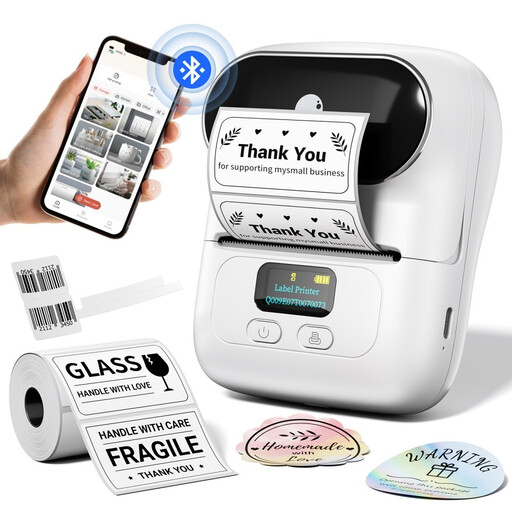 No image available
The product listing gives product labels and logo stickers as examples of possible uses; check that the label type suits your case and how you plan to use it.
The listing includes one roll of labels.
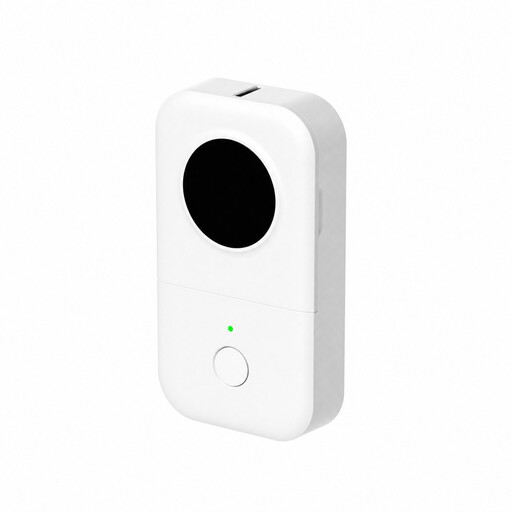 No image available
A portable model for designing labels on your phone; check in advance that the stated label width is suitable for your names and codes.
The product name specifies a label width of 0.59 inch and one unit.
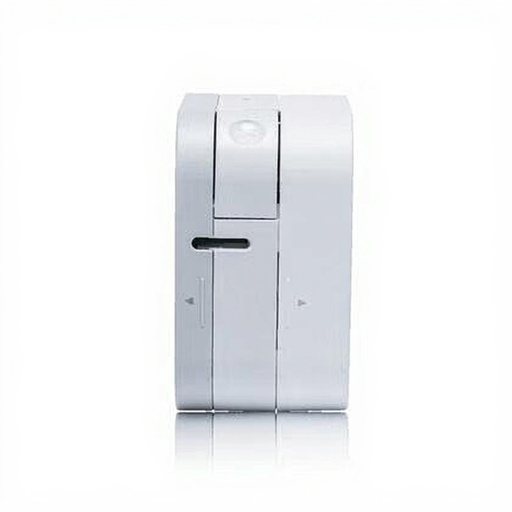 No image available
The product name mentions Bluetooth and TZe tape, which may suit you if you want to make labels using a mobile device. Check which tape is suitable for your case surface.
The product name specifies thermal printing, 180 × 180 DPI, 20 mm/s and TZe.
No image available
For designs you use regularly, the product listing mentions reprinting and USB and Bluetooth connectivity. Check whether the input method suits the way you work.
The product name specifies thermal transfer printing, 180 × 360 DPI, 30 mm/s, wired and wireless connectivity, TZe and Bluetooth.
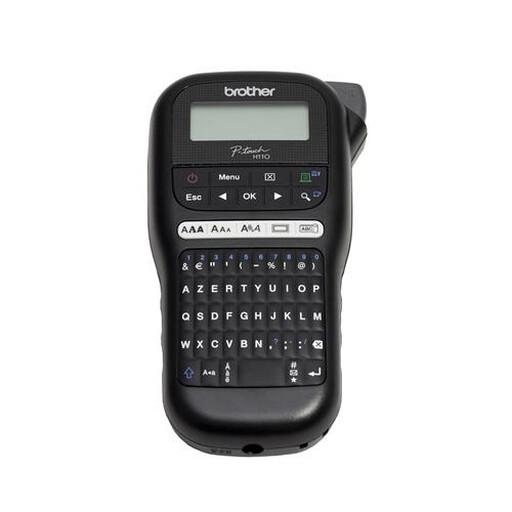 No image available
According to the product listing, this model has QWERTY input and is designed for making individual labels on the device. Check that the language version and tape suit your needs.
The product name specifies a handheld label maker in black.
Don’t assume so. DYMO describes standard D1 tape as suitable for most clean, flat surfaces; Brother describes a separate extra-strength adhesive TZe version for rough or uneven surfaces. Try your chosen tape on the actual case surface before labelling a whole batch: a manufacturer’s description isn’t a test of your case.
Check the tape family for the exact device. DYMO describes permanent D1 tape as using thermal transfer printing without ink or toner; the LetraTag 200B uses LetraTag labels and, according to DYMO, comes with paper tape.
The Netherlands Authority for Consumers and Markets describes statutory guarantees for products sold to consumers. This doesn’t automatically mean the same consumer rules apply to a purchase made mainly for business use; check the business terms and any manufacturer’s warranty offered.
No. According to the Dutch government, CE is not a quality mark. Whether CE marking is required depends on the product category and the applicable EU rules. So don’t treat CE as proof that the tape will stick well to an instrument case.