
Vandaag of morgen in huis

Kwaliteit gegarandeerd

Welkomstaanbiedingen ontgrendelen: GRATIS bezorging | Tot 80% korting | Gratis 30 dagen JoyPlus-proefperiode
Download de app
Korean skincare serums are popular for their lightweight textures, active ingredients and wide range of options. However, attractive packaging or a long ingredients list does not guarantee that a serum will suit your skin. If you focus mainly on promises such as “glow”, “glass skin” or “pore-free”, you can easily end up buying a product that is too strong, causes irritation or remains unused in your bathroom.
With this guide, you can compare a Korean facial serum based on verifiable product information. This makes it easier to find a hydrating serum, a serum for redness, a serum for pigmentation or a formula for visible pores.
A serum containing niacinamide, vitamin C, retinol, acids and peptides may sound comprehensive, but your skin does not automatically benefit from using everything at once. Sensitive or acne-prone skin in particular may react to a combination of several powerful ingredients.
It is better to start with one main goal. For example, choose centella for a soothing routine, hyaluronic acid for hydration or azelaic acid for a more even-looking complexion. Only add a second active product later if your skin tolerates the first one well.
Terms such as “anti-ageing”, “pore refining” or “for redness” often describe a desired appearance, rather than automatically indicating a medical effect. Under Dutch and European cosmetics regulations, product claims must be substantiated and not misleading. Therefore, check the ingredients, concentrations and instructions for use.
Brand claims are not independent, established facts either. According to a brand’s own research, for example, percentages relating to hydration or the appearance of pores may be provided, but such results will not necessarily be the same for every user.
A serum for sensitive skin may still contain ingredients that are not suitable for everyone, such as fragrance, essential oils, retinol or exfoliating acids. Always check the complete INCI ingredients list on the packaging. Also pay attention to the expiry date, batch information and the period after opening.
The key question is not only which ingredient is present, but also its concentration and what it is combined with. Here are some practical examples:
A higher percentage is not automatically more suitable. For beginners, a simple formula is often easier to understand than a serum containing several powerful actives.
A watery ampoule usually works well underneath a moisturiser and sunscreen. A richer formula may be better suited to dry skin, but can feel heavy on oily or combination skin.
Also check whether the product description states that it is suitable for your skin type. “Non-comedogenic”, “dermatologically tested” or “suitable for sensitive skin” are product claims made by the manufacturer; you should still read the ingredients and stop using the product if irritation persists.
Compare the volume in millilitres with the recommended dosage. A 9 ml bottle is useful for trying an active ingredient cautiously, while 55 or 100 ml may make more sense for daily use.
A dropper or pump helps to limit contact with the formula. Store a serum in a cool, dry place away from direct sunlight, with the packaging tightly closed. Test a new product on a small area of skin first. Use retinol only as directed; if you are pregnant or breastfeeding, it is advisable to consult a healthcare professional.
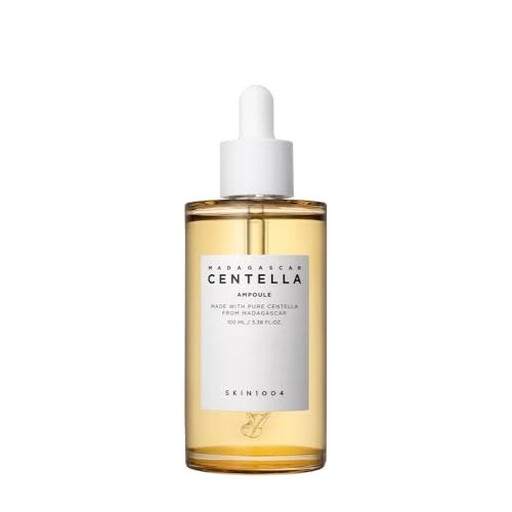
Why it suits this profile: The focused ingredients list and fluid texture make this an easy starting point for anyone who wants to add a Centella ampoule to a simple morning or evening routine.
The product description mentions a formula with Centella asiatica and a volume of 55 ml, without a long list of multiple powerful actives.
55 ml volume; suitable for use after cleansing and before moisturiser.
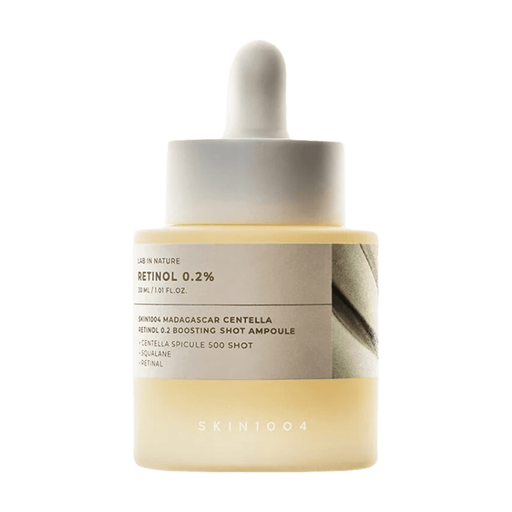
Why it suits this profile: This small size is a good fit for anyone who wants to introduce retinol and retinal in a targeted way and assess their skin’s tolerance first.
The packaging contains 9 ml and the instructions recommend starting with 2–3 evenings per week. This helps to reduce waste during the adjustment phase.
Contains retinol and retinal; for evening use only; sunscreen with at least SPF 30 is recommended according to the product information.
We have put together a complete, up-to-date list of products that fully meet these strict selection criteria and the applicable European safety regulations.
Do not immediately combine a retinol serum with several exfoliating products. If your skin barrier is damaged, redness persists or you experience severe irritation, it is advisable to stop using the product and seek medical advice.
Look for a short, straightforward ingredients list and initially avoid fragrance, essential oils and multiple powerful actives. A Centella serum or simple hydrating serum can be a sensible starting point. Always test a small amount first; “suitable for sensitive skin” remains a product claim made by the brand.
Check the expiry date and the open-jar symbol indicating the period after opening on the packaging. Store the serum closed, in a dry place and away from direct sunlight. Retinol and vitamin C-rich formulas require extra care when it comes to storage and changes in colour or smell. Do not continue using a product if it smells noticeably different, changes colour or causes irritation.
Sometimes, but there is no need to use them all together straight away. Start with one active ingredient, such as an azelaic acid serum, to assess your skin’s tolerance. Only add another product later and preferably use retinol on separate evenings. This makes it easier to identify which product is causing a reaction.
