
Vandaag of morgen in huis

Kwaliteit gegarandeerd

Welkomstaanbiedingen ontgrendelen: GRATIS bezorging | Tot 80% korting | Gratis 30 dagen JoyPlus-proefperiode
Download de app
Korean serums come in many varieties: from a simple hydrating serum to a niacinamide serum, vitamin C serum or retinal serum. This wide choice is useful, but it also makes comparing products more difficult. Eye-catching packaging or a long ingredients list does not automatically mean that a facial serum is right for your skin.
Many UK consumers encounter the same pitfalls:
First, determine your goal. For hydration and a comfortable feel on the skin, ingredients such as glycerine, panthenol, hyaluronic acid and centella asiatica often work well in a hydrating routine. If you are looking for a more even-looking complexion, consider niacinamide, alpha-arbutin, tranexamic acid or vitamin C derivatives.
A serum for redness or a serum for sensitive skin often contains soothing ingredients such as centella, panthenol, allantoin or liquorice derivatives. A serum for acne-prone skin may contain niacinamide, azelaic acid or salicylate. Always check the complete ingredients list on the packaging, however; formulations can change.
Retinol and retinal are vitamin A derivatives with different formulations. According to the product description, they can be used to address visible texture, fine lines or pores, but acclimatisation is important. Start with a small amount, use it only in the evening and apply sun protection during the day.
According to the safety information for the products concerned, retinol and retinal should not be used during pregnancy or while breastfeeding unless advised by a healthcare professional. Stop using the product if irritation persists and seek medical advice if necessary.
A 9 ml bottle is practical for trying out an active formula first, but it will run out more quickly than a 30, 50 or 100 ml pack. A watery texture can feel pleasant on oily or combination skin. A gel or formula containing more emollient ingredients may be better suited to dry skin.
Also check:
A brand’s product description provides information about the formula and intended use; it is not a guarantee of personal results. Any claimed effects based on a brand’s own research should therefore always be understood as a brand claim.
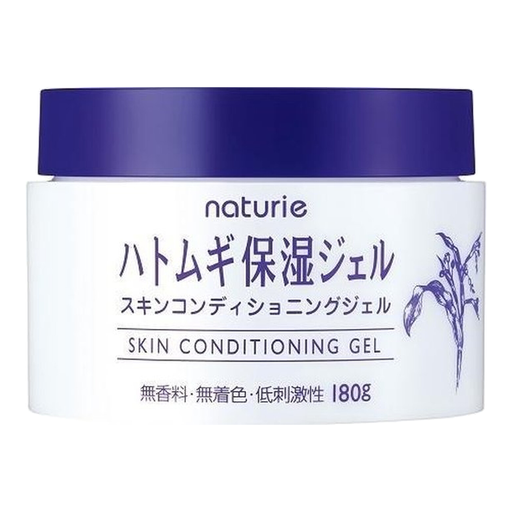
Why it suits this profile: The generous 180 g size and gel texture make this an accessible choice for everyday use on the face and body.
The ingredients list is short and easy to understand: water, glycerine, DPG and dimethicone. This makes the base formula straightforward to assess.
180 g contents, alcohol- and fragrance-free according to the product information, with a lightweight gel that leaves no oily finish.
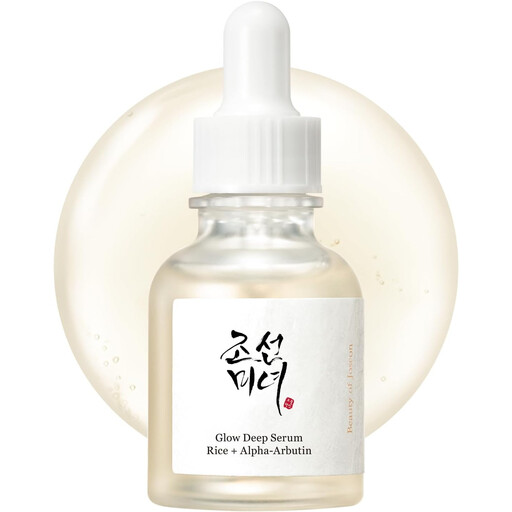
Why it suits this profile: This facial serum combines rice bran water with 2% alpha-arbutin and is well suited to a routine for a dull or uneven-looking complexion.
The relevant active ingredient and concentration are clearly stated in the product information, so you do not have to rely solely on the word “glow”.
30 ml contents, 2% alpha-arbutin, niacinamide and panthenol; fragrance- and alcohol-free according to the product information.
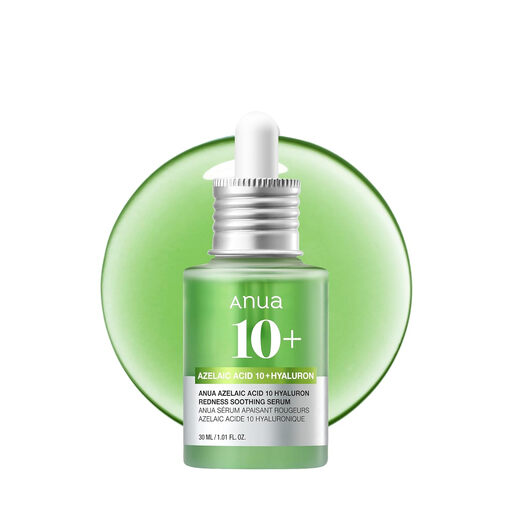
Why it suits this profile: If you are specifically looking for an azelaic acid serum for unsettled or visibly red skin, this formula contains 10% azelaic acid and hydrating ingredients.
The directions for use recommend starting with 1 to 2 drops once or twice a week. This helps prevent you from applying it too frequently straight away.
30 ml contents, 10% azelaic acid, panthenol, hyaluronic acid, ceramide NP and centella in the ingredients list.
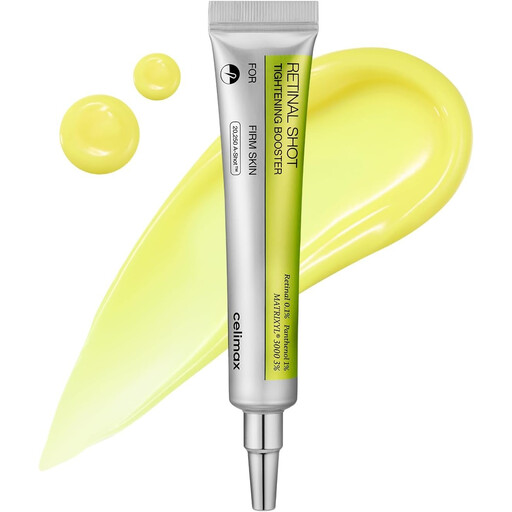
Why it suits this profile: This retinal serum is aimed at users who deliberately want to add a vitamin A product to their evening routine.
The manufacturer recommends using it every other evening for the first two weeks and applying a small amount.
15 ml contents, 0.1% retinal and 3% Matrixyl 3000 according to the product description; intended for night-time use.
We have put together a complete, up-to-date list of products that fully meet these strict selection criteria and the applicable European safety regulations.
A niacinamide serum and hydrating serum are often easy to combine, but you should still consider your routine as a whole. For sensitive skin, introducing one new product at a time is a practical approach.
Look for a short ingredients list and soothing ingredients such as panthenol, centella or allantoin. Avoid starting several potent active ingredients at the same time. Carry out a patch test beforehand and stop using the product if irritation occurs.
This depends on the size and the number of drops used each time. A 30 ml pack will generally last longer with daily use than a 9 ml ampoule. Store the serum according to the packaging instructions, away from direct sunlight and with the container properly closed.
For some routines, this may be too intensive. It is preferable to use them at different times or on different evenings while your skin is still getting used to them. Follow the official directions for use, apply sun protection during the day and introduce new active products gradually.
