
Vandaag of morgen in huis

Kwaliteit gegarandeerd

Welkomstaanbiedingen ontgrendelen: GRATIS bezorging | Tot 80% korting | Gratis 30 dagen JoyPlus-proefperiode
Download de app
Korean instant noodles are ideal for a quick lunch, late-night snack or well-stocked cupboard. However, many packets look very similar. A low price per pack may be less appealing if you buy a large box and end up disliking the flavour. The level of heat is not always clearly explained either, and allergens or a high salt content can easily be overlooked.
This buying guide compares Korean ramen, instant ramen and other Asian noodles based on practical considerations. That way, you can make a more informed choice between spicy noodles, creamy Korean noodle soup, black bean sauce or a multipack of instant noodles.
A box containing 20 or 40 portions often brings down the price per pack, but it is mainly useful if you already know and enjoy the flavour. With spicy noodles, the difference between a mild broth and an intensely hot chilli product can be considerable. A smaller pack or multipack containing five or six portions is more practical for trying them first.
Not every spicy noodle comes with a broth. With Buldak ramen, most of the sauce is mixed through the noodles after cooking. Shin Ramyun and kimchi ramen, on the other hand, are prepared as Korean noodle soup. So first check whether you are looking for stir-fried noodles with sauce or instant ramen with a soup base.
Always check the ingredients list, allergens, nutritional values and preparation method. Product information for different items may list gluten, wheat, soya, milk, sesame, fish, crustaceans or mustard. The information on the packaging takes precedence, as ingredients and warnings may change.
Pay attention to the amount of sauce or seasoning you add. According to the product instructions, around 120 ml of cooking water remains when preparing Samyang Buldak Carbonara. The powder and oil are then stirred through the noodles over a low heat. This means you can set some of the sauce aside if you prefer a milder flavour.
With Nongshim Shin Ramyun, add the soup base directly to around 500 ml of boiling water. According to the product information, the cooking time is approximately four to five minutes. The result is therefore a bowl of ramen with broth, rather than dry noodles.
Compare the weight per portion as well as the total number of portions. For example:
A large multipack of instant noodles also takes up more space. Store unopened packs in a cool, dry place away from direct sunlight, and check the best-before date on the packaging.
Korean instant ramen often contains wheat and soya. Creamy varieties may contain milk, while noodles with seafood, anchovies or prawns are not suitable for people with those allergies. Also check the nutritional values per 100 grams, rather than looking only at the portion size.
For example, the available product information lists 5.6 g of salt per 100 grams for Shin Ramyun and 4.8 g per 100 grams for Nongshim Kimchi. These values come from the stated product information; always check the current label before buying. Instant noodles are best enjoyed as part of a varied diet, optionally served with vegetables, egg or tofu.
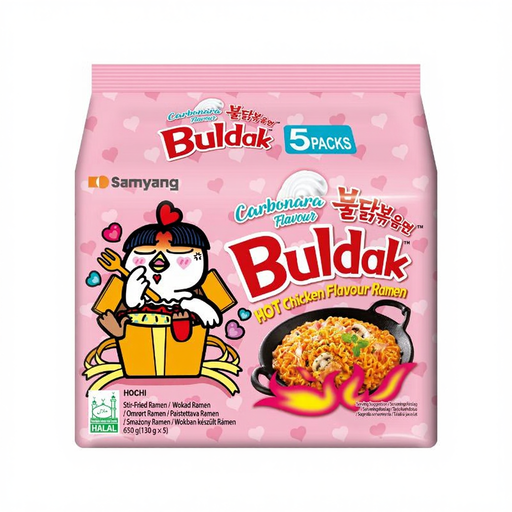
Why it suits this profile: A five-portion pack gives you the chance to try Buldak Carbonara without immediately committing to a large box. The combination of creamy carbonara powder and spicy sauce is designed for lovers of bold flavours.
The smaller multipack reduces the risk of making an unsuitable purchase. The preparation method makes it clear that these are stir-fried noodles with sauce, rather than a traditional soup.
5 × 130 g; carbonara flavour; ready in approximately five minutes. According to the product information, contains wheat, soya and milk.
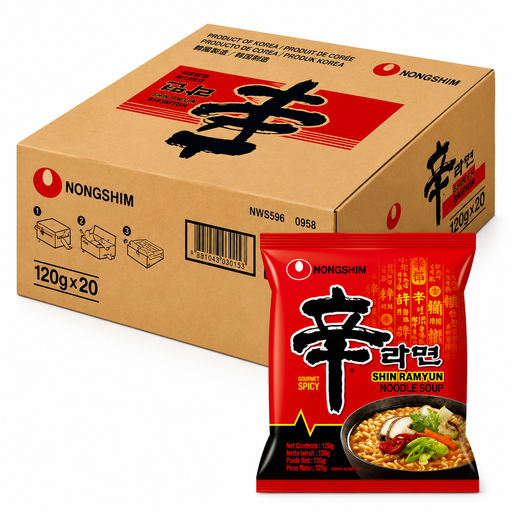
Why it suits this profile: This large box format is suitable for fans of Korean noodle soup who regularly want to prepare a bowl of ramen and are already familiar with the flavour.
The product information clearly states that it is prepared as soup in four to five minutes, with a 120 g portion. This makes the difference from dry Buldak noodles immediately clear.
20 × 120 g; broth with chilli, garlic and dried vegetables according to the product description; suitable for serving with egg or vegetables.
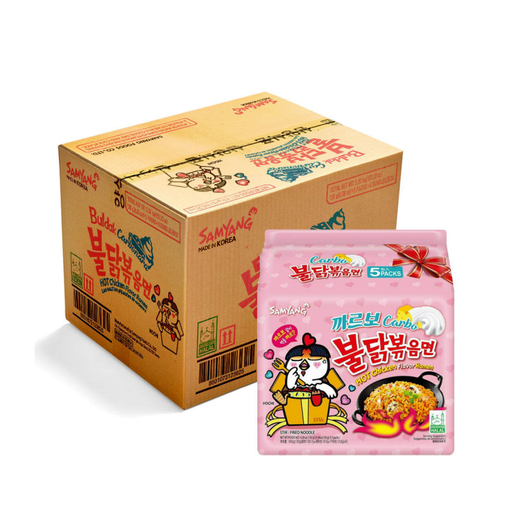
Why it suits this profile: A box containing 40 portions is aimed at high-volume users, student houses and families where several people enjoy spicy noodles.
The pack size is clearly stated, so you will not mistakenly expect a trial pack. Check the best-before date and allergens on the box when buying.
40 × 130 g; creamy carbonara flavour; firm noodles and a stir-fry preparation method using approximately 550 ml of water.
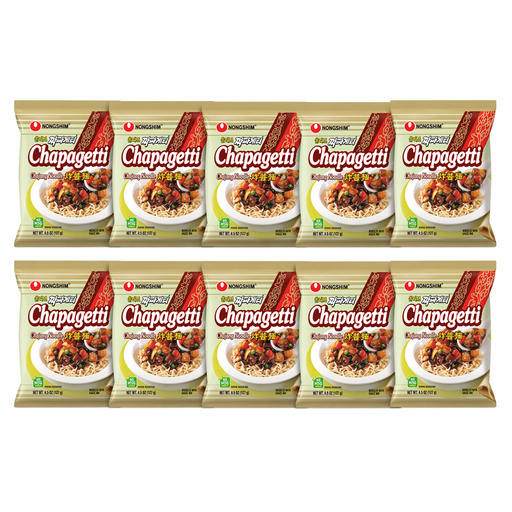
Why it suits this profile: Chapagetti uses a savoury black bean sauce instead of a notably hot broth. This makes it a practical choice for anyone who wants to try Korean flavours without maximum heat.
The product description explicitly states that no extra seasoning has been added. The sauce is mixed through the noodles after cooking, so you will not mistake it for ordinary Korean noodle soup.
10 portions of 140 g; black bean sauce; according to the product description, it pairs well with vegetables or kimchi.
We have put together a complete, up-to-date list of products that fully meet these strict selection criteria and the applicable European safety regulations.
Follow the instructions on the packaging. With soup noodles, you usually cook the noodles together with the seasoning in approximately 500 to 550 ml of water. With Buldak and other stir-fried noodles, drain most of the water and then mix the sauce through the noodles. Only add egg, spring onion, tofu or vegetables after allowing for the extra cooking time.
Unopened instant ramen can generally be stored until the date shown on the packaging, provided it is kept in a cool, dry place away from direct sunlight. The exact shelf life varies from product to product. Do not use damaged packaging, and check the best-before date after buying, especially when purchasing a large value pack.
No. Buldak ramen and Ottogi Yeul Ramen are clear choices for fans of spicy noodles, while Chapagetti mainly features a savoury black bean sauce. Nongshim Kimchi and Shin Ramyun combine broth with chilli and seasoning. If you prefer less heat, start with a smaller pack and add less sauce or seasoning.
