
Vandaag of morgen in huis

Kwaliteit gegarandeerd

Welkomstaanbiedingen ontgrendelen: GRATIS bezorging | Tot 80% korting | Gratis 30 dagen JoyPlus-proefperiode
Download de app
Korean instant noodles are ideal for a quick lunch, an easy evening meal or a snack at work. However, the differences between products can be greater than the packaging suggests. One pack of Korean ramen may be a soup variety, while other Korean noodles are mixed with sauce or eaten cold.
The main purchasing pitfalls are:
With Korean noodle soup, you usually cook the noodles together with the seasoning powder in water. Nongshim Shin Ramyun, kimchi noodles and Neoguri Ramyun fall into this category. The amount of water is important: too much water dilutes the flavour, while too little can result in a saltier dish.
For stir-fried noodles, cook the noodles first and then mix them with the sauce. Chapagetti, Paldo Jjajangmen and Samyang Buldak are examples. Follow the instructions on the packaging, as not every sauce is intended to be used entirely in the cooking water.
Cold Korean noodles are rinsed after cooking and served with a separate stock or sauce. For example, the Kuai Lai Kuai Wang product page specifies preparation with cold water, stock, sesame chilli oil and sauce.
If you are looking for spicy Korean noodles, check the sauce ingredients. Chilli, red pepper, habanero, pepper extract and chilli powder indicate a distinctly spicy profile. According to the product description, Samyang Buldak Carbonara combines a spicy sauce with milk and cheese powder. This tells you something about the ingredients and flavour profile, but not necessarily how spicy it will taste to everyone.
If you are unsure, start with part of the sauce sachet. You can add more later if it suits your preference. Do not use health claims to assess spiciness; everyone’s tolerance is different.
Compare multipacks by price per portion, rather than looking only at the total price. A box containing 20 packs of 120 grams is practical for a household, shared student accommodation or office. If you want to try a flavour first, a single pack or a small multipack of 5 or 6 portions makes more sense.
Also check:
Nutritional values on product pages are often given per 100 grams. Compare these with the actual portion size. Across various Nongshim varieties, the stated energy content is around 417 to 430 kcal per 100 grams, while the salt content varies by flavour. Check the current labelling before buying.
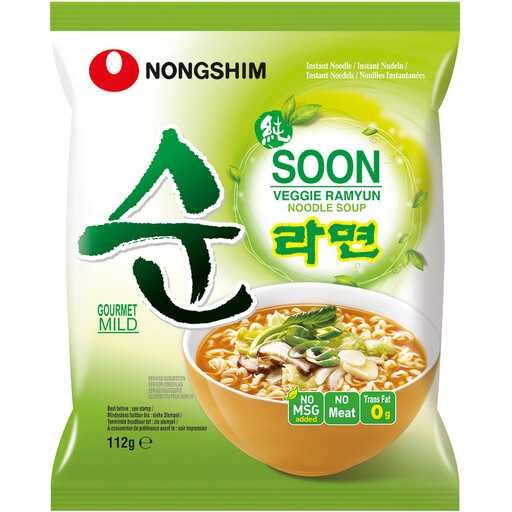
Why it suits this profile: This single portion is a practical introduction to Korean noodle soup and, according to the product information, contains noodles, soup powder and dried vegetables.
You do not have to buy a large box straight away. However, check the label for wheat, soya and possible traces of other allergens.
112 grams per pack, soup preparation, and dried pak choi and carrot according to the product listing.
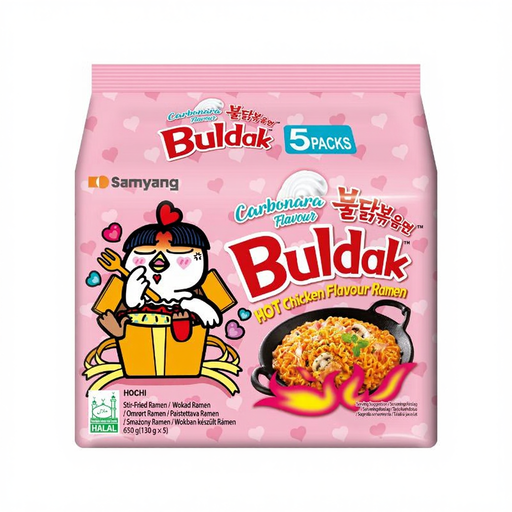
Why it suits this profile: The combination of a chilli sauce and carbonara-style powder is designed for those looking for a distinctive saucy noodle dish rather than a traditional soup.
The pack contains five individual portions. The ingredients include wheat, soya and milk, among others, allowing you to check the details more carefully in advance.
130 grams per portion, thick noodles according to the product description, and separate sauce and powder mixes.
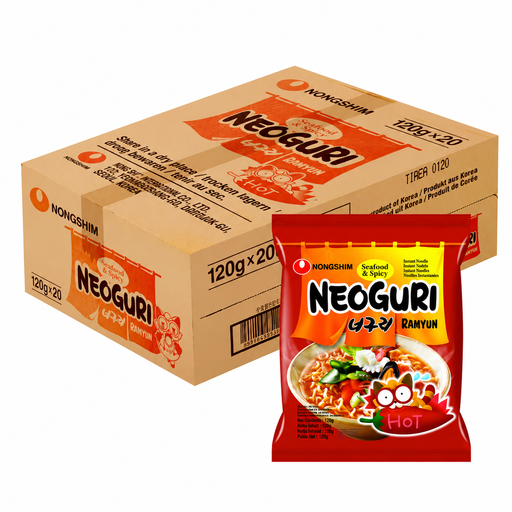
Why it suits this profile: A box containing 20 individual portions is ideal for households, offices and enthusiasts who regularly prepare Korean ramen.
The number of portions and the weight are clearly stated. Pay particular attention to the allergen list for this variety, which includes fish, prawns, molluscs, soya and wheat.
20 individual packs of 120 grams and a stated cooking time of approximately 4 to 5 minutes.
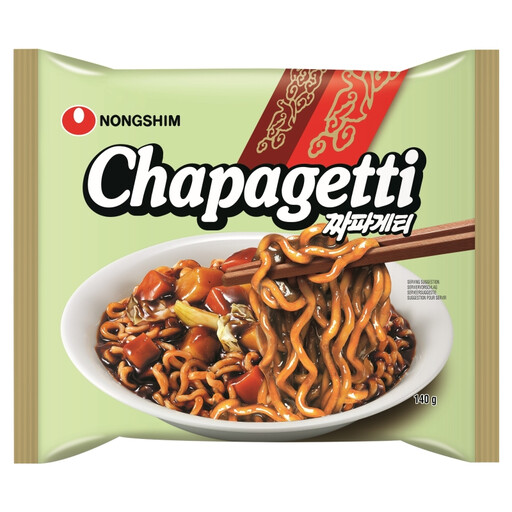
Why it suits this profile: The product description refers to a savoury black bean sauce without additional added spices. This makes it an approachable choice for diners who are not looking for a fiery broth.
You are not buying a soup variety expecting a saucy dish. The preparation method and ingredients make the difference clear.
140 grams per pack, black bean sauce, and a combination with vegetables or kimchi according to the product information.
We have compiled a complete, up-to-date list of products that fully meet these strict selection criteria and the applicable European safety regulations.
First, follow the instructions on the packaging. For many soup varieties, you cook the noodles for around 4 to 5 minutes in approximately 500 to 550 ml of water. Saucy noodles are often drained and then mixed with the sauce. Only add egg, vegetables or kimchi if you can properly assess how this affects the preparation and allergens.
Store unopened Korean noodles according to the label in a cool, dry place away from moisture and heat. The exact shelf life is stated on the packaging. Once prepared, it is best to eat them straight away; do not store cooked noodles at room temperature for an extended period.
A multipack may offer better value per portion, but this depends on the price, the number of packs and the weight per portion. Divide the total price by the number of bags or cups, then check the ingredients, allergens and best-before date. This helps ensure that a large box is suitable for your taste and eating habits.
