
Vandaag of morgen in huis

Kwaliteit gegarandeerd

Welkomstaanbiedingen ontgrendelen: GRATIS bezorging | Tot 80% korting | Gratis 30 dagen JoyPlus-proefperiode
Download de app
Korean fruit soju is popular with fans of K-food, Korean barbecue and fruity alcoholic drinks. Most bottles available online contain around 12% alcohol and hold between 350 and 360 ml. However, flavours, ingredients and nutritional values are not always comparable.
If you want to buy Korean soju, it pays to look beyond the colour of the label. Below, we explain which details matter, which common pitfalls to watch out for and which fruity soju suits different drinking occasions.
Flavoured soju with peach, strawberry, mango or grape often tastes sweeter and more approachable than unflavoured spirits. That does not mean the alcohol percentage is low. In this range, it is usually 12% vol. Some varieties contain 13%, such as Jinro Chamisul Strawberry.
Always check the alcohol percentage on the product page or packaging. A sweet flavour can make you drink more quickly without properly gauging the alcohol content.
A flavour name such as peach soju or mango soju does not automatically tell you how much fruit it contains. Products may use fruit juice, fruit wine, flavourings, syrup or a combination of these. For example, the ingredients for 7DROPS Soju Peach state that it contains, among other things, 25% pear and apple wine, peach juice and peach flavouring.
Other products mainly list flavourings and sweeteners. If the exact composition matters to you, check the ingredients list rather than relying solely on the front of the bottle.
Nutritional values can vary by brand and flavour. For example, 7DROPS Peach and Green Grape list approximately 93 kcal per 100 ml. Various Oppa products list around 60 to 76 kcal per 100 ml.
Allergen information also varies. Oppa Melon and Oppa Mango, for example, list wheat as an allergen, while other products state that they contain none of the 14 major EU allergens. If in doubt, always check the current packaging.
12% soju is a popular choice because its alcohol percentage is lower than that of many traditional spirits. However, the amount of alcohol is still significant: a 360 ml bottle at 12% alcohol contains approximately 43 ml of pure alcohol. Check the label for the exact amount and statutory information.
Drink slowly, alternate with water and do not drink alcohol if you still need to drive. Alcohol is not suitable during pregnancy; even small amounts can carry risks.
The most common formats are 350 ml and 360 ml. This is a handy size for dinner, an evening with friends or a small tasting session. Pay attention to the difference when comparing prices: a 350 ml bottle may appear cheaper, but it also contains slightly less drink than a 360 ml bottle.
The volume is practical for cocktails too. You can make several glasses, although quantities depend on the recipe. Use a measuring cup if you want to estimate the strength of a mixed drink more accurately.
Pay particular attention to:
Most bottles are ready to serve chilled. Keep an opened bottle tightly sealed and follow the instructions on the packaging. Some 7DROPS products recommend storing the bottle in the fridge after opening and consuming it promptly.
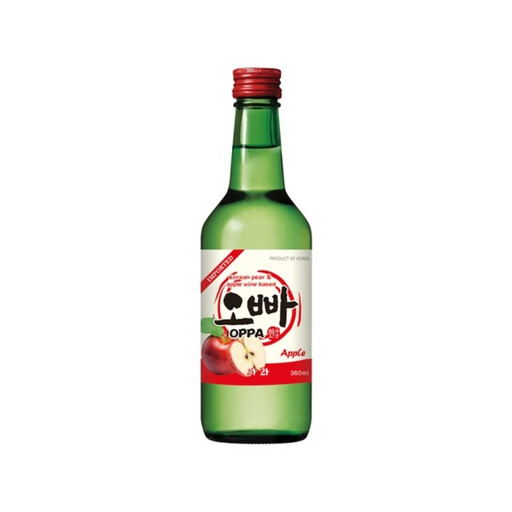
Why it suits this profile: The familiar apple flavour and 360 ml size make this Korean alcoholic drink an approachable introduction to soju. The product information states that it contains 12% alcohol and approximately 70 kcal per 100 ml.
The alcohol percentage, bottle volume and nutritional information are clearly described. However, check the current packaging and ingredients before buying.
Apple flavour, 360 ml, 12% vol. and suitable for serving chilled, over ice or as a cocktail base.
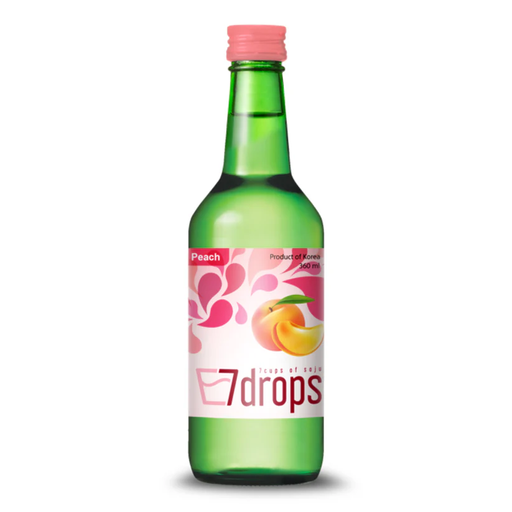
Why it suits this profile: According to the product information, this peach soju combines pear and apple wine with peach juice and peach flavouring. This provides more specific information than a flavour description alone.
The ingredients list specifies the fruit wine, juice and flavouring used. The 12% alcohol content and 360 ml volume are also clearly stated.
Peach flavour, 93 kcal per 100 ml according to the product information, and suitable for drinking chilled or in a mixed drink.
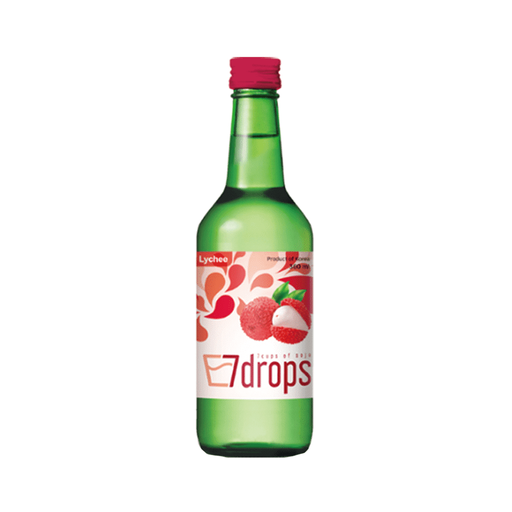
Why it suits this profile: Lychee soju offers a different fruity direction from peach, apple or strawberry. The bottle is ready to serve chilled, over ice or as the base for a cocktail.
The product information states the alcohol percentage, 360 ml volume and approximately 93 kcal per 100 ml. This makes it easier to compare with other flavoured soju varieties.
Lychee flavour, 12% vol., 360 ml and versatile for social occasions or cocktails.
For most flavours, chilling the bottle well is a simple place to start. Serve it straight from the fridge or pour the soju over ice. Fruity varieties such as strawberry soju, mango soju, melon soju, grape soju, apple soju and lychee soju pair well with light snacks, fried appetisers and Korean barbecue.
You can also make a simple mixed drink with sparkling water, citrus lemonade or fresh fruit. Bear in mind that extra fizzy drink or syrup increases the amount of sugar. Start with a small glass so that the proportions suit the flavour and alcohol percentage.
Not exactly. Regular soju usually has a more neutral flavour profile. Fruit soju contains added fruit flavours, flavourings, juice or fruit wine. The alcohol percentage may be lower than in some traditional varieties, but always check the label.
This varies by product. Seal the bottle tightly, store it according to the packaging and preferably consume the contents promptly after opening. Products containing fruit wine or juice may have different instructions from varieties made solely with flavourings.
At a minimum, compare the alcohol percentage, bottle volume, ingredients, allergens and nutritional values. Also check that the product name and flavour match the description. If in doubt, the information on the packaging takes precedence.
We have put together a complete, up-to-date list of products that fully meet these strict selection criteria and the applicable European safety regulations.
